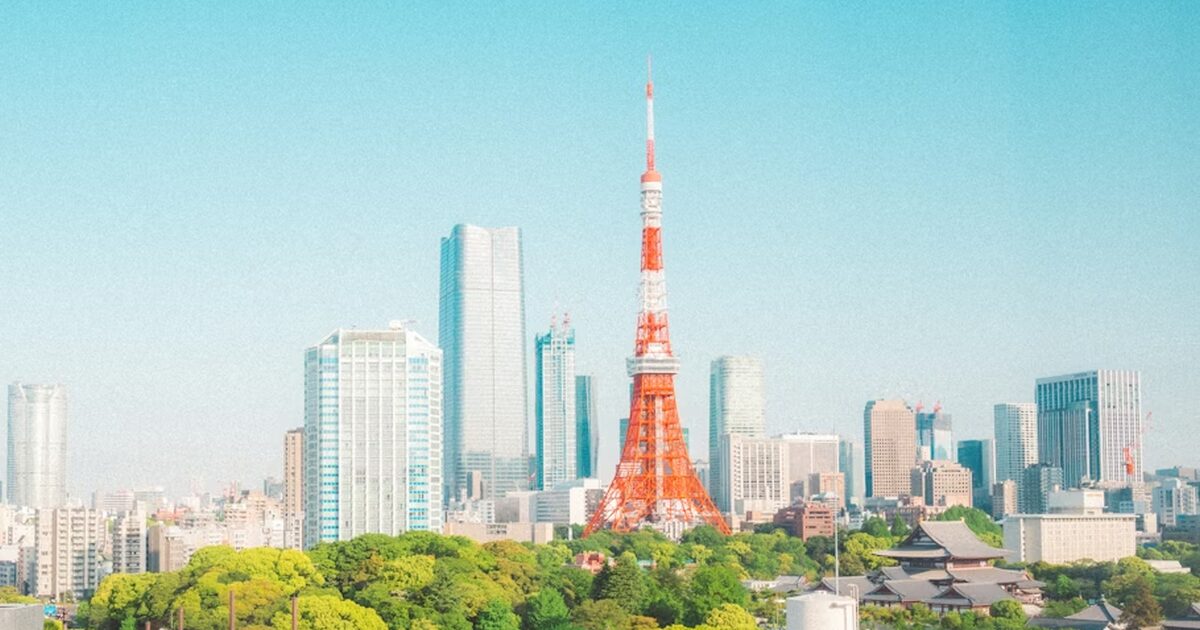
Planning your first trip to Tokyo can feel both exciting and overwhelming. The city is enormous, the train network looks complicated at first, and there are far more places to visit than most travelers can fit into one trip. If you only have three days, it is completely normal to wonder how much you can realistically see.
The good news is that three days in Tokyo is enough for an unforgettable first visit. You will not see everything, and you do not need to. In fact, the best Tokyo trips are usually the ones that stay focused. Instead of trying to rush across the city checking off every famous sight, it is much better to explore a few key neighborhoods each day and enjoy the experience at a comfortable pace.
This itinerary is designed for first-time visitors who want a simple, practical, and well-balanced introduction to Tokyo. It combines classic sightseeing, modern city districts, great food, and manageable travel times. You will see historic Asakusa, stylish Harajuku, energetic Shibuya, and iconic Shinjuku, while still leaving enough room for spontaneous stops and slower moments.
If Tokyo is your first stop in Japan, this guide will help you start strong. If it is part of a longer trip, it will help you make the most of a short stay without feeling rushed. Either way, this is a first-time Tokyo itinerary built around what many travelers actually want: famous highlights, easy logistics, and a realistic pace.
Why This 3-Day Tokyo Itinerary Works
Tokyo is one of those cities that can feel impossible to plan at first. There is always another neighborhood, another restaurant, another observation deck, and another attraction that looks worth adding. But for a short trip, the smartest approach is to keep things simple.
This itinerary works because it is organized by area rather than trying to jump all over the city. Each day has a clear theme:
- Day 1: Traditional Tokyo and classic first impressions
- Day 2: Trendy Tokyo, youth culture, and famous city energy
- Day 3: Modern Tokyo, shopping, skyline views, and a memorable final night
That balance gives first-time visitors a satisfying introduction to the city. You will experience temples and shrines, busy shopping streets, peaceful green spaces, local food, department store food halls, and some of Tokyo’s most recognizable urban scenes. Just as importantly, you will avoid the mistake of trying to do too much in too little time.
Before You Start: Tips for a Smooth Tokyo Trip
Before getting into the day-by-day plan, here are a few practical tips that will make your trip easier.
Stay in a convenient area
If you only have three days, choose a base with easy train access. Shinjuku, Shibuya, Ueno, Tokyo Station, and Ginza are all convenient choices. You do not need to stay in the “best” area in Tokyo. You just need somewhere well connected, safe, and close to plenty of food options.
Start your mornings early
Popular places such as Senso-ji, Meiji Jingu, and major viewpoints are much more enjoyable in the morning. Starting early helps you avoid heavier crowds and gives you more flexibility later in the day.
Do not over-plan every meal
Tokyo is one of the best food cities in the world, and excellent meals are everywhere. Unless there is a specific restaurant you absolutely want to visit, it is usually better to stay flexible and eat where you already are.
Use your phone for navigation
Tokyo’s train and subway system can look intimidating at first, but it becomes much easier once you start using it. A good map app will save you time and reduce stress.
Plan by neighborhood
The biggest mistake first-time visitors make is crossing the city too many times in one day. Tokyo becomes much easier when you group nearby areas together, which is exactly what this itinerary does.
Tokyo in 3 Days at a Glance
| Day | Main Areas | Best For |
|---|---|---|
| Day 1 | Asakusa, Ueno, Tokyo Skytree area | Traditional sights and classic Tokyo atmosphere |
| Day 2 | Meiji Jingu, Harajuku, Omotesando, Shibuya | Trendy neighborhoods, shopping, cafes, and city energy |
| Day 3 | Shinjuku, Ginza or Tokyo Station, final night views | Modern Tokyo, food, shopping, and skyline moments |
Day 1: Asakusa, Ueno, and Traditional Tokyo
Your first day in Tokyo should introduce you to the side of the city that many travelers imagine before they arrive: temples, lanterns, old streets, and a strong sense of history. That is why Asakusa is one of the best places to begin a first trip.
Morning: Senso-ji and Asakusa
Start the day in Asakusa, one of Tokyo’s most famous historic districts. The highlight here is Senso-ji, Tokyo’s oldest temple and one of the city’s most iconic sights. Walking through Kaminarimon Gate and along Nakamise Shopping Street is one of the classic first-time Tokyo experiences.
If possible, arrive early. Asakusa is at its best in the morning, when the streets feel calmer and the atmosphere is more relaxed. You can take your time walking through the temple grounds, browsing traditional snacks and souvenirs, and enjoying that striking contrast between old Tokyo streets and the modern skyline beyond them.
One of the best things about Asakusa is that it feels distinctly different from the Tokyo many people know from movies and social media. It gives you a sense of tradition right at the start of your trip, which makes the modern districts you visit later feel even more dramatic.
What to do in Asakusa
- Visit Senso-ji Temple
- Walk through Kaminarimon Gate
- Browse Nakamise Shopping Street
- Try traditional snacks
- Explore smaller side streets for a quieter atmosphere
Lunch: Easy Local Food in Asakusa or Ueno
For lunch, keep things simple. This is a great part of Tokyo for casual Japanese food such as tempura, soba, ramen, tonkatsu, or curry rice. If the restaurants around Senso-ji are especially crowded, move on toward Ueno and eat there instead.
A helpful Tokyo travel rule is this: do not spend too much time chasing one specific meal unless it is truly important to you. Great food is everywhere, and flexibility makes short trips much smoother.
Afternoon: Ueno Park and Ameyoko
After lunch, head to Ueno. This area adds variety to your first day by showing you a different side of Tokyo. Compared with Asakusa, Ueno feels more local and everyday, with open park space, museums, and lively shopping streets.
Ueno Park is a nice place to slow down for a while, especially if you want a break from dense city blocks. You do not need to visit every museum here unless you are especially interested. Even just walking through the park can be a pleasant change of pace.
Nearby, Ameyoko gives the area a more energetic feel. The market-style street is full of cheap eats, small shops, and a busier, more casual atmosphere. It is a fun contrast after the more traditional mood of Asakusa.
Optional alternatives for the afternoon
- Spend more time in Asakusa
- Visit the Tokyo Skytree area
- Take a Sumida River cruise
Evening: Tokyo Skytree Area or a Relaxed First Night
For your first evening in Tokyo, it is best not to overdo it. Travel fatigue and jet lag can catch up with you quickly, especially if you arrived in Japan recently. This is a good night to keep your plans easy and flexible.
A nice option is to visit the Tokyo Skytree area for dinner, shopping, and a polished first-night city view. If that feels like too much, there is nothing wrong with having a simple dinner near your hotel and resting early.
The goal of day one is not to see as much as possible. It is to settle into Tokyo, enjoy the atmosphere, and start your trip with confidence.
Good dinner ideas for Day 1
- Sushi
- Tempura
- Ramen
- Izakaya-style small plates
- Department store food hall takeaway
Day 2: Meiji Jingu, Harajuku, Omotesando, and Shibuya
Your second day is all about modern Tokyo: stylish streets, youth culture, famous city scenes, and a different kind of energy from day one. This is where you start to see the side of Tokyo that many first-time visitors recognize instantly.
Morning: Meiji Jingu
Begin at Meiji Jingu, one of Tokyo’s most important shrines. Even though it sits close to some of the busiest parts of the city, the grounds feel quiet, spacious, and calm. The walk through the forested approach is part of the experience, creating a peaceful transition from the city outside.
This stop is a great reminder that Tokyo is not only about neon lights and giant intersections. One of the most memorable things about the city is how quickly it can shift from fast and crowded to quiet and reflective.
Late Morning: Harajuku
After visiting Meiji Jingu, head into Harajuku. This area is well known for fashion, youth culture, colorful shops, sweets, and a playful atmosphere that feels completely different from the shrine you just visited.
Takeshita Street is the famous headline attraction, and it is worth seeing at least once on a first trip. That said, Harajuku becomes much more enjoyable when you also explore the side streets beyond the busiest strip. You will find smaller boutiques, cafes, and quieter corners that often feel more interesting than the most crowded part of the neighborhood.
What Harajuku is best for
- People-watching
- Fashion and street style
- Desserts and snacks
- Casual souvenir shopping
- A more playful side of Tokyo
Lunch: Harajuku or Omotesando
Lunch can stay flexible here. Harajuku has plenty of casual food options, while nearby Omotesando offers a more polished atmosphere with stylish cafes and restaurants. If Harajuku feels too crowded, Omotesando is a great place to slow down and enjoy a more relaxed meal.
Omotesando also gives you a nice visual contrast. The broad avenues, designer storefronts, and clean urban design feel more refined and modern, which adds another layer to your Tokyo experience.
Afternoon: Shibuya
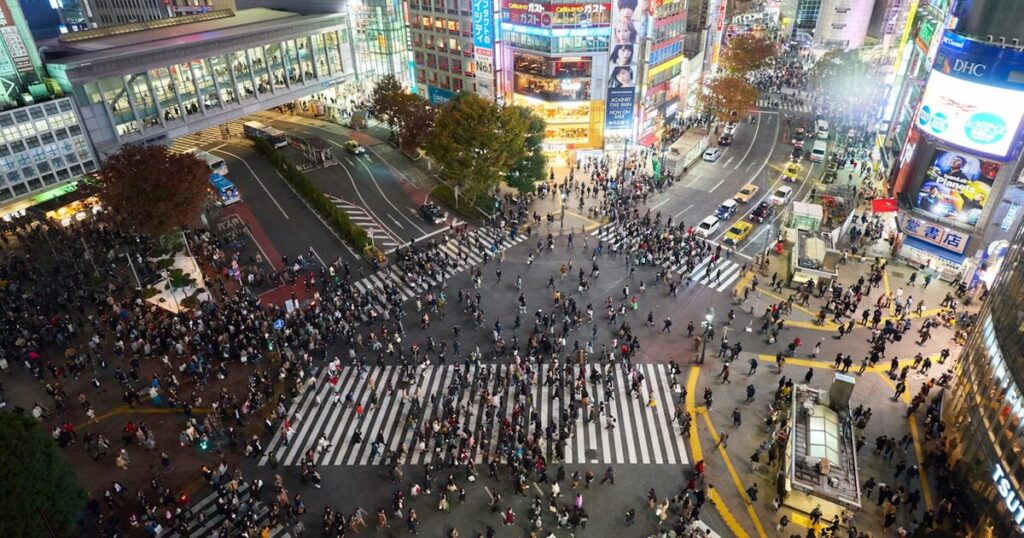
In the afternoon, make your way to Shibuya, one of the essential neighborhoods for any first-time Tokyo itinerary. This is where you will find the famous Shibuya Crossing, large shopping complexes, constant movement, and the kind of city energy that many people associate with Tokyo.
The best way to enjoy Shibuya is not to over-plan it. Walk through the area, take in the atmosphere, stop at shops that interest you, and enjoy the experience of being there. Some travelers focus on shopping, while others are more interested in cafes, observation spots, music stores, or simply watching the city flow around them.
Simple Shibuya checklist
- See Shibuya Crossing
- Walk through the main shopping streets
- Visit a viewpoint if you want city views
- Stop for coffee or dessert
- Explore nearby backstreets for a less hectic feel
Evening: Dinner and Tokyo After Dark
Shibuya is an excellent place to spend your second evening. It feels lively, exciting, and unmistakably Tokyo, but it is also easy to enjoy casually. You can make it a relaxed dinner night or turn it into a more energetic evening depending on how much energy you have left.
This is a good night for yakiniku, sushi, izakaya food, Japanese curry, or modern casual dining. After dinner, take time to enjoy the neighborhood at night. The illuminated streets, huge screens, and constant movement are part of what makes a first Tokyo trip feel special.
Day 3: Shinjuku, Central Tokyo, and a Memorable Final Night
Your third day brings together some of Tokyo’s most iconic big-city scenery: skyscrapers, major shopping areas, food halls, and the kind of urban atmosphere many travelers imagine before they arrive. It is the perfect final chapter for a first-time itinerary.
Morning: Shinjuku
Start in Shinjuku, one of Tokyo’s most famous and energetic districts. It can feel overwhelming at first, but that is also what makes it memorable. Huge department stores, office towers, restaurant buildings, and one of the busiest station areas in the world come together to create a very classic Tokyo experience.
If you want a quieter start to the day, visit Shinjuku Gyoen first. It offers a calmer atmosphere and some welcome green space before you dive into the busier parts of the neighborhood. If you are in the mood for city energy right away, start around the station and explore from there.
What Shinjuku is great for
- Shopping
- Skyscraper views
- Department stores
- Food halls
- Experiencing Tokyo’s dense urban atmosphere
Lunch: Department Store Food Halls or a Sit-Down Meal
One of the easiest and most enjoyable Tokyo food experiences for visitors is eating from a department store food hall. These basement food floors are full of beautifully prepared meals, sweets, snacks, and takeaway options. They are perfect when you want quality food without spending too much time deciding where to eat.
If you would rather sit down, Shinjuku has an endless range of restaurants, from budget-friendly noodle shops to more polished dining options.
Afternoon Option 1: Ginza
If you want a stylish and relaxed final afternoon, head to Ginza. This is one of Tokyo’s most polished districts, known for department stores, elegant shopping streets, upscale cafes, and a more refined city atmosphere. Compared with Harajuku or Shibuya, Ginza feels calmer and more composed.
Even if you are not planning to buy anything, Ginza is enjoyable to walk through. It offers a different perspective on Tokyo and works especially well for travelers who like browsing, architecture, and slower city strolls.
Afternoon Option 2: Tokyo Station and Marunouchi
If you prefer a more classic central Tokyo feel, spend the afternoon around Tokyo Station and Marunouchi. This area is practical, elegant, and easy to enjoy. It combines historic station architecture with modern office towers, shopping, and broad streets that feel very different from the denser atmosphere of Shinjuku.
This is also a useful area to become familiar with if Tokyo is just one stop on a longer Japan itinerary, since many onward train journeys pass through here.
Evening: Your Final Tokyo Night
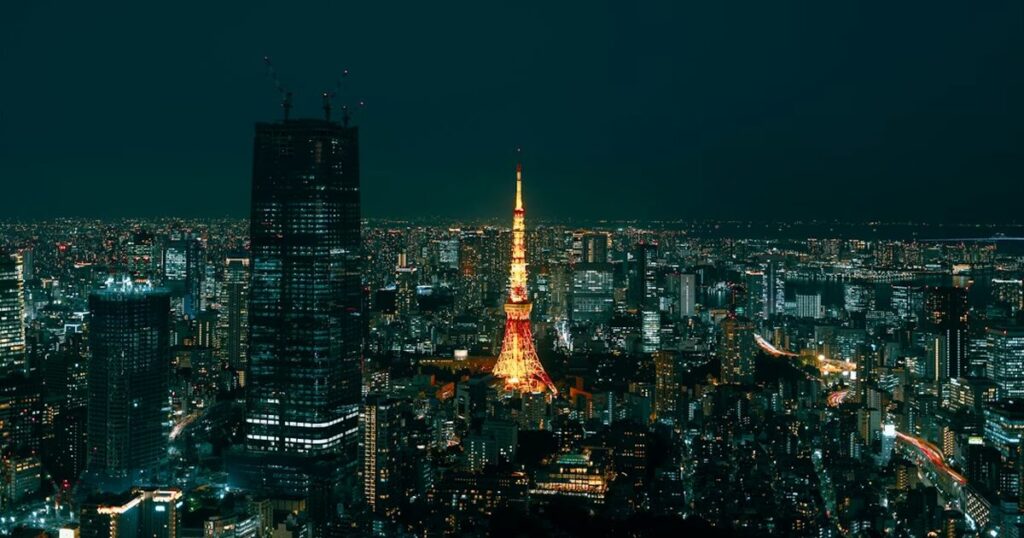
For your final evening, Shinjuku is one of the best places to end your trip. At night, the area feels dramatic, bright, and unmistakably urban. Whether you choose a simple ramen dinner, a casual izakaya, or a final evening walk through the lights, it creates a memorable finish.
If you are tired and want something calmer, you could also spend your last evening in Ginza or near Tokyo Station. There is no single right way to end a Tokyo trip. The best final night is the one that matches your pace and mood.
What to Eat During 3 Days in Tokyo
You do not need a rigid restaurant plan to eat well in Tokyo. In fact, short trips often work better when meals stay flexible. Instead of chasing only famous places, focus on trying a variety of foods as you explore different neighborhoods.
For a first trip, try to include a mix of the following:
- Ramen
- Sushi
- Tempura
- Tonkatsu
- Curry rice
- Soba or udon
- Izakaya dishes
- Convenience store snacks
- Department store desserts
A simple rule is to eat according to the neighborhood you are already visiting. This saves time and keeps your itinerary feeling relaxed rather than overly structured.
How to Get Around Tokyo Easily
Tokyo’s transportation system can look intimidating before your trip, but most visitors get used to it quickly. The key is to stay calm, allow extra time at large stations, and avoid crossing the city too many times in one day.
Here are a few simple tips:
- Use a map app for train routes and transfers
- Group sightseeing by neighborhood
- Give yourself extra time in major stations
- Do not panic if you take the wrong exit once or twice
- Keep your daily plans realistic
Even experienced travelers get turned around in Tokyo stations sometimes. That is completely normal and not something to worry about.
What to Skip on a 3-Day Tokyo Trip
When you only have three days, simplifying your trip is just as important as choosing where to go. Some experiences are not worth the extra time if they make the rest of your itinerary feel rushed.
It is usually best to skip the following:
- Long detours for one viral cafe or dessert
- Trying to visit too many observation decks
- Crossing the city multiple times in one day
- Filling every hour with scheduled attractions
- Treating Tokyo like a checklist instead of a city to enjoy
The less you overcomplicate your short stay, the more enjoyable Tokyo tends to feel.
Optional Changes for Different Travel Styles
If you love shopping
- Spend more time in Shibuya
- Add extra time in Harajuku and Omotesando
- Choose Ginza on Day 3
- Explore Shinjuku department stores in more depth
If you prefer culture and history
- Spend longer in Asakusa
- Add a museum in Ueno
- Take your time at Meiji Jingu
- Look for quieter backstreets and traditional areas
If you want more skyline views
- Add the Tokyo Skytree area
- Visit a Shibuya viewpoint
- Include a Shinjuku observation stop
If you like slower travel
Remove one stop each day and leave more time for cafe breaks, shopping, people-watching, and unplanned walks. Tokyo is often most memorable in the quiet moments between major sights.
Is 3 Days in Tokyo Enough?
Yes, three days in Tokyo is enough for a fantastic first visit.
No, it is not enough to see everything, but that is completely fine. Tokyo is the kind of city that always leaves you with something for next time. In many ways, that is part of its appeal.
Three days is enough to experience the city’s atmosphere, enjoy some of its best-known neighborhoods, eat very well, and come away with a strong sense of why so many travelers fall in love with Tokyo on their first trip.
Final Thoughts
Tokyo can seem overwhelming before you arrive, but once you break it into neighborhoods, it becomes much easier to understand and enjoy. That is why this itinerary works so well for first-time visitors. It keeps the structure clear, includes Tokyo’s essential highlights, and leaves enough room to actually enjoy the city rather than rushing through it.
If this is your first trip to Japan, do not worry about seeing everything. Focus on the feeling of being in Tokyo. Walk through a temple gate in the morning. Eat something delicious that you did not plan for. Step out into bright city streets at night and take in the atmosphere. Notice how easily Tokyo shifts between quiet and intense, traditional and modern, polished and playful.
That contrast is what makes Tokyo unforgettable.
And in just three days, you can absolutely experience it.