Planning a trip to Japan is exciting, but figuring out what to pack can be surprisingly difficult.
Should you bring a heavy coat or just light layers? Do you need an umbrella in spring? How many pairs of shoes should you pack? And what items actually make travel in Japan easier?
The answer depends on when you visit, where you go, and how you plan to travel. Japan has four distinct seasons, and the weather can change a lot from one month to the next. A spring trip to Tokyo feels very different from a winter trip to Hokkaido, and summer in Kyoto is nothing like autumn in Osaka.
That is why a smart Japan packing list is not just about clothes. It is about packing for comfort, convenience, and the kind of trip you want to have. Most travelers in Japan walk more than expected, use public transportation often, and spend long days moving between stations, attractions, restaurants, and hotels. Packing well can make the entire trip smoother.
In this guide, you will find a complete Japan packing list for every season, including what to wear in spring, summer, autumn, and winter. You will also find practical advice on shoes, toiletries, tech, day bags, and what first-time visitors often forget to bring.
If you remember only one thing, let it be this: pack light, dress in layers, and prioritize comfort.
Why You Need a Seasonal Packing List for Japan
Japan is one of the easiest countries in the world to travel around once you understand the basics. It is clean, safe, organized, and extremely convenient. But it also rewards practical packing.
On a typical day in Japan, you may walk for hours, ride multiple trains, climb station stairs, spend time outdoors, and move in and out of air-conditioned buildings. In some places, you may also need to remove your shoes. That means the best things to pack for Japan are the items that help you stay comfortable throughout long, active days.
Weather is another major factor. Spring and autumn are generally mild, summer is often hot and humid, and winter can range from cool city weather to heavy snow depending on the region. Because of that, the best packing list for Japan changes by season.
Still, there are a few essentials every traveler should bring no matter when they visit.
Japan Packing List Essentials for Any Season
Before breaking things down by spring, summer, autumn, and winter, start with the items that belong on almost every Japan travel packing list.
Travel Documents and Payment Basics
- Passport
- Flight and hotel confirmations
- Travel insurance details
- Credit or debit cards
- Some Japanese yen in cash
Japan is much more cashless than it used to be, especially in major cities, but cash is still useful for smaller shops, local restaurants, temples, markets, and some rural areas. Carrying both cards and cash is the safest approach.
Phone, Charger, and Travel Tech
- Smartphone
- Phone charger
- Power bank
- Plug adapter if needed
- Earphones or headphones
Your phone will likely become one of the most important tools on your trip. You will use it for maps, train routes, translation, restaurant searches, photos, and possibly tickets. A power bank is one of the most useful items you can bring to Japan.
Comfortable Walking Shoes
If there is one thing almost every first-time visitor underestimates, it is how much walking Japan involves.
- Bring one pair of comfortable walking shoes you have already worn before
- Optional: bring a second pair of lighter shoes or sandals depending on the season
In cities such as Tokyo, Kyoto, and Osaka, it is easy to walk 15,000 to 25,000 steps in a single day. Good shoes matter more than extra outfits.
A Lightweight Day Bag
A compact day bag will make daily sightseeing much easier. A small backpack or crossbody bag usually works best.
Your day bag should be able to hold:
- water bottle
- umbrella
- power bank
- wallet
- light jacket or cardigan
- tissues and a small hand towel
- small purchases or snacks
Toiletries and Personal Care Items
You can buy almost anything in Japan, especially in convenience stores, pharmacies, and drugstores. Still, it is smart to bring the items you use every day.
- toothbrush and toothpaste
- skincare products
- makeup if needed
- deodorant
- razor
- contact lenses or glasses
- feminine hygiene products if you prefer your usual brand
- prescription medication
If you rely on specific products, pack them. It saves time and removes stress once you arrive.
Health and Comfort Essentials
- Prescription medicine
- Pain reliever
- Blister patches
- Cold medicine
- Motion sickness tablets if needed
- Hand sanitizer
- Face masks if you prefer using them
- Tissues
- Small hand towel
A small hand towel is especially useful in Japan and is something many travelers are glad they packed.
Quick Japan Packing List Checklist
| Category | What to Pack for Japan |
|---|---|
| Documents | Passport, insurance details, cards, cash, reservations |
| Tech | Phone, charger, power bank, adapter, earphones |
| Bags | Easy-to-carry luggage, day bag, wallet |
| Clothing | Seasonal layers, underwear, socks, sleepwear |
| Shoes | Comfortable walking shoes, optional second pair |
| Toiletries | Daily essentials, skincare, medications |
| Useful Extras | Umbrella, reusable bottle, tissues, hand towel |
Spring Packing List for Japan
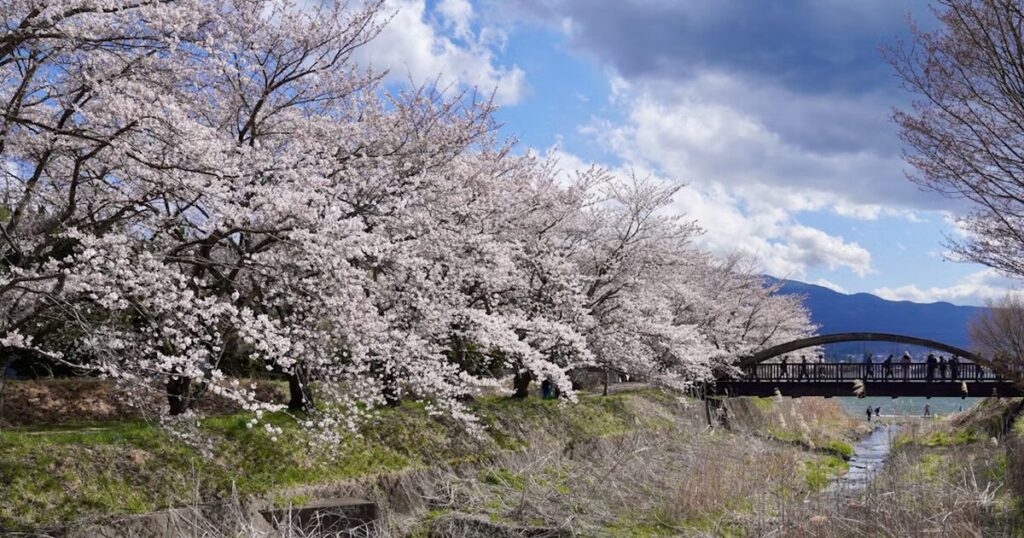
Spring in Japan usually means March to May, and it is one of the most popular times to visit. Cherry blossom season, comfortable temperatures, and beautiful scenery make it an ideal season for sightseeing.
That said, spring weather can be unpredictable. Early spring mornings and evenings may still feel chilly, while late spring afternoons can be pleasantly warm. The key is to pack layers that you can easily add or remove throughout the day.
What to Pack for Japan in Spring
- Light jacket or trench coat
- Cardigans or light sweaters
- Long-sleeve tops
- T-shirts for layering
- Jeans, trousers, or midi skirts
- Comfortable walking shoes
- Light scarf
- Compact umbrella
Spring is perfect for parks, gardens, shrines, and long walking days, so comfortable shoes and a practical day bag matter just as much as the clothes themselves.
Spring Packing Tips for Japan
The best spring outfits for Japan are simple, neat, and easy to layer. You do not usually need a heavy winter coat in major cities, but you will want something warmer than just a T-shirt, especially in March and early April.
If your trip includes northern Japan or mountainous areas, pack a warmer outer layer than you would for Tokyo, Kyoto, or Osaka.
Summer Packing List for Japan
Summer in Japan usually runs from June to August, though hot weather can begin earlier and last into September. This is the most challenging season for many travelers because summer in Japan is often hot, humid, and exhausting, especially in large cities.
June also overlaps with the rainy season in many parts of the country, so a good summer packing list for Japan should prepare you for both heat and rain.
What to Pack for Japan in Summer
- Breathable T-shirts
- Lightweight tops
- Loose trousers, skirts, or other airy clothing
- Thin socks
- Breathable walking shoes or comfortable sandals
- Light sleepwear
- Sun hat or cap
- Sunglasses
- Compact umbrella or parasol
Quick-dry and breathable fabrics work best. Lightweight cotton, linen, and moisture-wicking materials are all great choices.
Summer Essentials You Should Not Forget
- Reusable water bottle
- Sunscreen
- Portable fan
- Cooling towel or cooling wipes
- Small hand towel
- Extra change of clothes if needed
A portable fan is optional, but many visitors find it incredibly helpful in July and August.
Rainy Season Packing Tips
If you visit in June or early July, add a few rain-friendly items to your Japan packing list:
- Compact umbrella
- Light rain jacket
- Water-resistant shoes if possible
- Small waterproof pouch for electronics
It does not rain all day every day during the rainy season, but wet weather is common enough that it is worth preparing for.
Summer Clothing Advice for Temples and Restaurants
Even in summer, it is helpful to bring at least one outfit that feels modest and presentable. Japan is generally casual, but very revealing clothing can feel out of place at temples, shrines, and some restaurants.
Autumn Packing List for Japan
Autumn in Japan usually means September to November, and it is one of the best times to visit. The weather is often comfortable, the humidity drops, and the autumn foliage is beautiful across much of the country.
Like spring, autumn is a season for layers. September can still feel quite warm, while November can be chilly, especially in the mornings and evenings.
What to Pack for Japan in Autumn
- T-shirts
- Long-sleeve shirts
- Light sweater or cardigan
- Jacket for cooler days
- Jeans or trousers
- Comfortable walking shoes
- Light scarf
Autumn is one of the easiest seasons to pack for, but it is still smart to plan for temperature changes throughout the day.
Autumn Packing Tips for Japan
If your trip includes mountain areas, lake regions, or northern destinations, pack warmer layers earlier in the season. Even when afternoons feel comfortable, mornings can be much cooler than expected.
The best autumn packing strategy is to keep things flexible. A few light layers are usually better than one bulky item.
Winter Packing List for Japan
Winter in Japan usually means December to February. What you should pack depends heavily on where you are going.
Tokyo, Kyoto, and Osaka often have cold but manageable winters, while Hokkaido and mountain regions can be snowy and severe. If your trip includes ski towns or northern Japan, your winter packing list for Japan should be much warmer.
What to Pack for Japan in Winter
- Warm coat
- Sweaters or fleece layers
- Thermal base layers
- Long trousers
- Warm socks
- Comfortable closed shoes or boots
- Scarf
- Gloves
- Warm hat if needed
If you are visiting major cities only, you may not need heavy snow boots or extreme winter gear. But you will still want proper layers for outdoor sightseeing, especially early in the morning or after sunset.
What to Add for Snowy Destinations
If you are traveling to Hokkaido, ski resorts, or snowy rural regions, add:
- Insulated coat
- Waterproof boots
- Thermal socks
- Snow-friendly gloves
- Heavier thermal layers
Winter Packing Tips for Japan
Indoor heating in Japan can be strong, so the goal is not just warmth but flexibility. Layering is much more comfortable than wearing one very heavy outfit all day.
For most city trips, a warm coat and smart layering system are enough. For snow regions, pack for real winter conditions.
Seasonal Packing Comparison Table
| Season | Main Packing Strategy | Key Items |
|---|---|---|
| Spring | Light layers for changing temperatures | Light jacket, cardigan, umbrella, scarf |
| Summer | Breathable clothing and heat protection | Sunscreen, hat, fan, towel, water bottle |
| Autumn | Flexible transitional layers | Light sweater, jacket, scarf, walking shoes |
| Winter | Warm layers and weather-appropriate outerwear | Coat, thermal layers, gloves, warm socks |
What to Pack for Japanese Cities, Temples, and Day Trips
What to Wear in Tokyo, Osaka, and Other Major Cities
In major cities, the best outfits are usually neat, casual, and comfortable. You do not need formal clothes for most trips unless you have a special dinner or event planned.
Focus on:
- comfortable shoes
- simple, polished casual clothing
- a lightweight day bag
- a portable charger
What to Wear to Temples and Shrines in Japan
There is usually no strict dress code for tourists, but respectful clothing is always the best choice. Avoid outfits that are overly revealing if you plan to visit religious or cultural sites.
It is also worth remembering that some places require you to remove your shoes, so clean socks are a small but important detail.
What to Pack for Nature Trips and Rural Areas
If your itinerary includes hiking, countryside day trips, mountain towns, or scenic outdoor spots, consider adding:
- shoes with better grip
- extra layers
- water bottle
- small towel
- light snacks
What Not to Overpack for Japan
One of the most common mistakes travelers make is bringing too much.
Japan is incredibly convenient, and you can easily buy many everyday items after you arrive. Umbrellas, socks, toiletries, skincare, chargers, and basic clothing are widely available.
Try not to overpack:
- too many shoes
- too many backup outfits
- oversized toiletries
- large luggage that is difficult to move through stations
In general, traveling through Japan is much easier when your luggage is light and manageable.
Smart Luggage Tips for Traveling in Japan
Choose Luggage You Can Carry Easily
You may need to lift your suitcase, walk between stations and hotels, and store luggage in compact spaces. For many travelers, one medium suitcase and one day bag work better than one very large case.
Leave Room for Shopping
Many visitors buy snacks, souvenirs, cosmetics, stationery, clothing, or gifts in Japan. Leaving extra space in your bag is usually a good idea.
Pack for Convenience, Not Just for Options
A smaller, smarter packing list usually makes your trip more enjoyable. You do not need to prepare for every possible situation. You only need the items you are likely to use regularly.
Best Japan Packing List for First-Time Visitors
If this is your first trip, focus on these essentials first:
- Comfortable walking shoes
- Season-appropriate layers
- A compact umbrella
- A power bank
- A practical day bag
- Prescription medicine and health essentials
- Cards and some cash
- A light, manageable suitcase
If you get these right, most of the rest is easy.
Final Thoughts: What to Bring to Japan
The best Japan packing list is not about bringing more. It is about bringing the right things.
Comfortable shoes will help you enjoy long days of sightseeing. Layers will make changing temperatures easier to manage. A compact umbrella will save you on wet days. A power bank will keep your phone alive when you need maps and train directions. And a small hand towel, reusable water bottle, and good day bag will end up being more useful than you expected.
If you are visiting Japan in spring or autumn, focus on layers. If you are visiting in summer, prioritize breathable clothes, sun protection, and rain readiness. If you are visiting in winter, pack based on your specific destination, especially if snow is involved.
Pack with purpose, keep things simple, and your trip to Japan will be much more comfortable from day one.
FAQ: Japan Packing List
- What should I pack for Japan in spring?
-
Pack light layers such as a jacket, cardigan, long-sleeve tops, comfortable trousers, and walking shoes. A compact umbrella is also a smart item to bring.
- What should I pack for Japan in summer?
-
Bring breathable clothing, sunscreen, a hat, comfortable shoes, a reusable water bottle, and rain protection for the rainy season.
- Do I need winter boots in Japan?
-
Not always. For Tokyo, Kyoto, or Osaka, comfortable closed shoes are often enough. For Hokkaido or snowy areas, proper winter boots are strongly recommended.
- Can I buy toiletries in Japan?
-
Yes. Japan has excellent convenience stores, pharmacies, and drugstores, so basic toiletries are easy to find almost anywhere.
- Is it better to pack light for Japan?
-
Yes. Packing light makes train travel, hotel transfers, and daily sightseeing much easier.