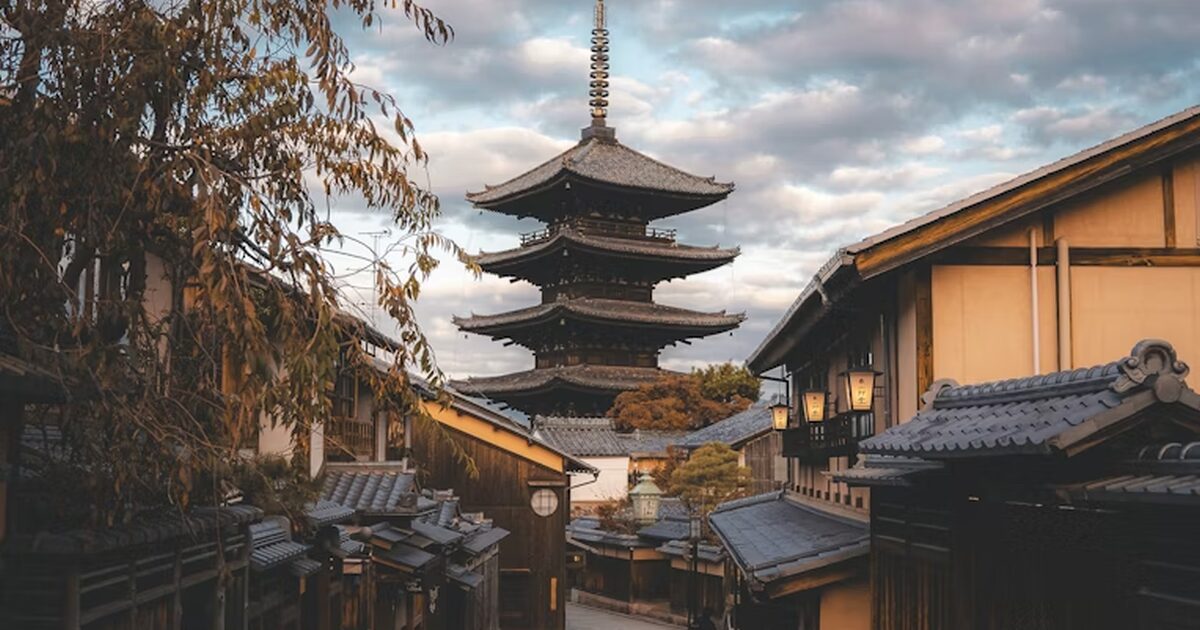
Planning your first trip to Kyoto can feel exciting, inspiring, and a little overwhelming at the same time. Kyoto is one of Japan’s most iconic destinations, famous for its historic temples, traditional streets, peaceful gardens, and deep cultural heritage. For many travelers, it is the place that best captures the classic image of Japan.
At the same time, Kyoto can be surprisingly difficult to plan for. There are so many famous sights spread across different parts of the city that it is easy to make an itinerary that looks good on paper but feels rushed in real life. First-time visitors often try to fit in too much, spend too long in transit, and end up missing the relaxed atmosphere that makes Kyoto so special.
The good news is that 2 days in Kyoto is enough to enjoy a memorable first visit. You will not see everything, but you can experience the city’s most famous highlights, walk through its most beautiful historic districts, enjoy excellent local food, and get a real feel for Kyoto’s unique character.
This Kyoto 2-day itinerary for first-time visitors is designed to help you do exactly that. It keeps travel practical, groups nearby attractions together, and focuses on the places that give first-time travelers the best overall introduction to the city. Over two days, you will visit major highlights such as Fushimi Inari Taisha, Kiyomizu-dera, Gion, Arashiyama, and Nishiki Market, while still leaving room to enjoy Kyoto at a comfortable pace.
If you are looking for the best way to spend 2 days in Kyoto on your first trip, this guide will help you make the most of your time.
Why This Kyoto 2-Day Itinerary Works for First-Time Visitors
Kyoto is not a city where you should try to do everything at once. While the city is not as huge as Tokyo, many of its most famous attractions are spread across different areas. That means smart planning matters. The best Kyoto itinerary is not the one with the longest checklist. It is the one that feels balanced, realistic, and enjoyable.
This itinerary works well for first-time visitors because it follows a simple structure:
- Day 1 focuses on southern, eastern, and central Kyoto, including shrines, temple districts, old streets, and downtown food culture.
- Day 2 focuses on western Kyoto, where you can enjoy Arashiyama’s natural scenery, bamboo grove, river views, and a slower pace.
Instead of wasting time zigzagging around the city, you will explore Kyoto area by area. This makes the trip smoother and far less tiring.
Is 2 Days in Kyoto Enough?
Yes, 2 days in Kyoto is enough for a strong first introduction. While Kyoto easily deserves a longer stay, two full days is enough to see many of the city’s most famous landmarks and experience the mix of history, tradition, and scenery that makes Kyoto so popular.
If you only have a short amount of time in Japan, Kyoto is still worth visiting. Two days gives you enough time to walk through traditional neighborhoods, visit major temples and shrines, enjoy Kyoto-style food, and experience a very different side of Japan from modern cities like Tokyo or Osaka.
Of course, if you have extra time, Kyoto rewards slower travel. But for first-time visitors building a broader Japan itinerary, this two-day plan is a very practical and satisfying choice.
Kyoto 2-Day Itinerary Overview
| Day | Area | Main Highlights |
|---|---|---|
| Day 1 | Southern + Eastern + Central Kyoto | Fushimi Inari Taisha, Kiyomizu-dera, Sannenzaka, Ninenzaka, Yasaka Shrine, Gion, Nishiki Market |
| Day 2 | Western Kyoto | Arashiyama Bamboo Grove, Tenryu-ji area, Togetsukyo Bridge, riverfront walks, optional extra stop |
This plan gives you a well-rounded introduction to Kyoto, combining its most famous temples and shrines with scenic walking areas, traditional streets, and some of the city’s best food neighborhoods.
Before You Start: Essential Kyoto Travel Tips
Start early whenever possible
Kyoto’s top attractions get crowded quickly, especially places like Fushimi Inari, Kiyomizu-dera, Arashiyama, and Nishiki Market. Starting early makes a huge difference. You will enjoy quieter streets, better photos, shorter lines, and a much calmer atmosphere.
Do not rely only on buses
Many first-time visitors assume Kyoto is best explored by bus. While buses are useful, they can also be slow and crowded. In many cases, using trains first and then walking or taking a short taxi ride is faster and less stressful.
Wear comfortable shoes
Kyoto is a city for walking. Historic neighborhoods, temple approaches, slopes, and stone streets are all part of the experience. Comfortable shoes will make your trip much more enjoyable.
Pack light for sightseeing
Dragging large luggage through Kyoto’s busy streets is not fun. Leave your bags at your hotel, use station lockers, or arrange luggage forwarding if needed.
Be respectful in traditional areas
Kyoto is not an open-air museum. It is a living city where people pray, work, commute, and live. Be especially respectful in places like Gion, temple grounds, and residential lanes. Avoid blocking streets, speaking loudly, or photographing people in intrusive ways.
Day 1: Fushimi Inari, Higashiyama, Gion, and Nishiki Market
Your first day in Kyoto focuses on some of the city’s most iconic sights. This is the day that gives you the classic Kyoto experience: shrine gates, temple views, preserved streets, and traditional neighborhoods.
Morning: Fushimi Inari Taisha
Start your Kyoto itinerary at Fushimi Inari Taisha, one of the most famous shrines in Japan and one of the city’s most unforgettable sights. It is best known for its thousands of bright red torii gates that create tunnel-like pathways up the mountain.
This is one of the most popular places in Kyoto, which is exactly why it should be your first stop of the day. If you arrive early, the atmosphere feels much more peaceful and photogenic. The later you go, the more crowded it becomes.
Why Fushimi Inari is perfect for first-time visitors
- It is one of Kyoto’s most iconic landmarks.
- The torii gate pathways feel uniquely Japanese.
- It is easy to access from Kyoto Station.
- Even a short visit feels rewarding.
How long should you stay?
For most first-time visitors, 1.5 to 2.5 hours is ideal. You do not need to hike all the way to the summit to enjoy the experience. Walking partway up the mountain is usually enough to see the famous gate-lined paths and enjoy quieter sections away from the entrance.
What to expect
- A dramatic shrine entrance
- Rows of vivid torii gates
- Forest trails and stone pathways
- A more peaceful atmosphere as you climb higher
Fushimi Inari is a strong way to begin your trip because it feels spiritual, scenic, and unmistakably Kyoto.
Late Morning: Kiyomizu-dera and Higashiyama
After Fushimi Inari, head to Kiyomizu-dera, one of Kyoto’s most celebrated temples. This area is one of the best parts of the city for first-time visitors because the sightseeing feels naturally connected. You are not just visiting one temple. You are exploring an entire historic district.
The approach to Kiyomizu-dera is part of the experience. As you walk uphill, you will pass traditional-style shops, local sweets stores, ceramics shops, snack stalls, and souvenir stores. The area feels lively but still full of old Kyoto charm.
Why Kiyomizu-dera is worth visiting
Kiyomizu-dera is one of the temples that defines Kyoto for many travelers. The temple complex, hillside setting, and sweeping views make it one of the city’s true must-see sights. Even if you have seen photos before, the atmosphere in person feels far more impressive.
Do not rush the surrounding streets
After visiting the temple, spend time enjoying the historic streets nearby. This is one of the most photogenic and enjoyable walking areas in Kyoto.
- Sannenzaka
- Ninenzaka
These preserved lanes are lined with traditional wooden buildings, cafés, sweet shops, and small local stores. This is the kind of place where Kyoto feels exactly the way many travelers hope it will. Slow down, look around, and enjoy the atmosphere rather than just moving from one landmark to the next.
Lunch in Higashiyama
This is a great area for lunch. Good options include:
- soba or udon
- tofu dishes
- tempura set meals
- matcha desserts
- traditional-style cafés
Because you are already in one of Kyoto’s most pleasant sightseeing districts, staying here for lunch saves time and keeps the day relaxed.
Afternoon: Yasaka Shrine and Gion
From Higashiyama, continue north toward Yasaka Shrine and Gion. This part of the itinerary works especially well because it is easy to do on foot. Instead of dealing with extra transit, you can simply keep exploring.
Gion is Kyoto’s most famous traditional district. It is known for its wooden townhouses, narrow side streets, tea houses, and elegant old-world atmosphere. For first-time visitors, Gion is one of the most memorable places in the city.
What to do in Gion
You do not need a strict sightseeing checklist here. Gion is best enjoyed by walking slowly and letting the area speak for itself.
Things to look out for include:
- traditional streets and wooden facades
- small side lanes with a quieter atmosphere
- the Shirakawa area
- charming cafés and dessert shops
- beautiful late-afternoon and early-evening light
Many travelers hope to catch a glimpse of geiko or maiko in Gion. If you do, remember to be respectful. Do not chase, block, or aggressively photograph people. Gion is a real working neighborhood, and respectful behavior matters.
Late Afternoon to Evening: Nishiki Market and Downtown Kyoto
After exploring Gion, make your way to Nishiki Market and the downtown Kyoto area around Shijo and Kawaramachi. This is a lively contrast to Kyoto’s temple districts and a great place to end your first day.
Nishiki Market is often called “Kyoto’s Kitchen”. It is one of the easiest places for first-time visitors to try a variety of local foods in one convenient area.
What to try at Nishiki Market
- tamagoyaki
- pickles
- grilled seafood
- skewered snacks
- Kyoto-style sweets
- matcha treats
If you prefer a more substantial dinner, the surrounding downtown area has countless restaurants, cafés, and bars. It is one of the most convenient parts of Kyoto for casual dining.
Best dinner options for Day 1
- Eat your way through Nishiki Market and nearby side streets
- Have a sit-down dinner in Shijo or Kawaramachi
By the end of Day 1, you will already have seen some of Kyoto’s most famous sights and experienced a great mix of history, food, and atmosphere.
Day 2: Arashiyama and a Slower Side of Kyoto
Your second day takes you to western Kyoto, where the mood feels more scenic and relaxed. Arashiyama is one of the city’s most popular areas, and while it can get crowded, it is still absolutely worth visiting on a first trip.
Morning: Arashiyama Bamboo Grove
Begin Day 2 with an early trip to Arashiyama Bamboo Grove. This is one of Kyoto’s most photographed spots, and for good reason. The tall bamboo, filtered light, and quiet path create a unique atmosphere that feels very different from the city center.
That said, timing matters here. The bamboo grove is far more enjoyable in the morning before the area gets busy. It is not a huge attraction, so the goal is not to spend hours here. Instead, visit early, enjoy the setting, take your photos, and then continue exploring the wider Arashiyama area.
Why the bamboo grove belongs on a first Kyoto trip
- It is one of Kyoto’s most recognizable sights.
- It offers a scenic contrast to temple and downtown areas.
- It fits naturally into a broader Arashiyama morning.
Mid-Morning: Explore the Arashiyama Area
After the bamboo grove, spend the rest of the morning enjoying Arashiyama itself. This is one of the most pleasant districts in Kyoto because it blends nature, temples, shopping streets, and river views in a very relaxed way.
A comfortable first-time visit to Arashiyama often includes:
- walking near the Tenryu-ji area
- strolling around the small streets and shops
- seeing Togetsukyo Bridge
- enjoying the riverfront and mountain scenery
The best way to experience Arashiyama is not to treat it as a single photo stop. Think of it as a scenic district to wander through and enjoy at a slower pace.
Take a break
This is also a great place for a coffee break, a dessert stop, or a short rest by the river. Kyoto can be an intense sightseeing city, so having part of the trip feel slower and more open is a good thing.
Lunch in Arashiyama
Arashiyama has plenty of lunch options, from casual noodle shops to more refined restaurants. Good choices include:
- soba or udon
- tofu dishes
- rice bowls
- matcha cafés
- Japanese lunch sets
Try to eat a little earlier if possible, since this area gets busy around midday.
Afternoon Option A: Stay in Arashiyama and Slow Down
If your overall Japan trip is already busy, the best choice may be to keep the afternoon relaxed. Spend more time in Arashiyama, browse local shops, enjoy another riverside walk, or take a café break.
This option works especially well for travelers who want to enjoy Kyoto without turning it into a race between landmarks.
Afternoon Option B: Add One More Sight
If you still have energy and want to see one more place, add one extra stop in the afternoon. Just one is enough. Kyoto becomes less enjoyable when you try to cram too much into a short visit.
Good options include:
- Downtown Kyoto for shopping and a relaxed café stop
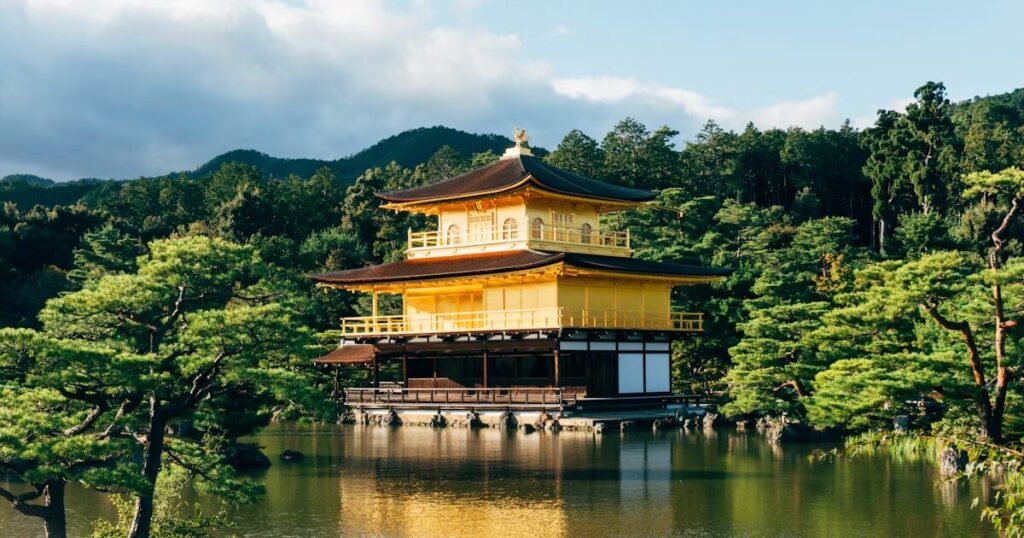
- Kinkaku-ji if you want to include another iconic landmark
- Kyoto Station area for an easy and practical finish
If you choose Kinkaku-ji, keep in mind that it is not next to Arashiyama, so this adds extra travel time. For many first-time visitors, staying relaxed is actually the better choice.
Evening: Final Kyoto Dinner
For your last evening in Kyoto, choose an area that matches your style and energy level:
- Kyoto Station for convenience
- Downtown Kyoto for variety and atmosphere
- Gion for a more traditional feel
If you want a simple, low-stress final dinner, Kyoto Station is a very practical choice. If you want one more atmospheric night walk, Gion or central Kyoto may feel more memorable.
Where to Stay in Kyoto for This Itinerary
Where you stay can make a big difference, especially on a short trip. For this Kyoto 2-day itinerary, the best areas are:
Kyoto Station Area
This is the most practical option. It is ideal if you are arriving by shinkansen, leaving early, or planning day trips. Hotels around Kyoto Station are convenient and well connected.
Downtown Kyoto (Shijo / Kawaramachi)
This is one of the best areas for food, shopping, and nightlife. It is also a strong base for travelers who want to be within walking distance of Nishiki Market and central Kyoto attractions.
Gion / Higashiyama
This is the most atmospheric area to stay in. It can feel more special than other parts of the city, especially if you enjoy quiet evening walks through traditional streets.
For most first-time visitors, Kyoto Station or downtown Kyoto is the easiest and most practical choice.
What to Eat During 2 Days in Kyoto
Food is a big part of the Kyoto experience. You do not need a strict food itinerary, but trying a few local specialties will make your trip feel richer and more memorable.
Good foods to try in Kyoto include:
- Yudofu and other tofu dishes
- Matcha sweets
- Yatsuhashi
- Kaiseki if your budget allows
- Soba and udon
- Street snacks at Nishiki Market
Kyoto is especially known for refined flavors, elegant presentation, and traditional sweets, so even a simple café stop can feel like part of the cultural experience.
Common Mistakes First-Time Visitors Make in Kyoto
Trying to see too much
This is the biggest mistake. Kyoto has many famous sights, but trying to visit too many in one day usually leads to more stress and less enjoyment.
Starting too late
Popular attractions are always better earlier in the day. Late starts mean heavier crowds and a less pleasant experience.
Ignoring travel time
Kyoto may look compact, but moving between major attractions can take longer than expected. Always leave extra room in your schedule.
Using only buses
Buses are useful, but they are not always the fastest option. Mixing trains, walking, and occasional taxis can save time.
Forgetting etiquette
Traditional neighborhoods are beautiful, but they are also residential and cultural spaces. Respectful behavior matters everywhere, especially in Gion and temple areas.
Final Thoughts: The Best Kyoto Itinerary for a First Visit
This Kyoto 2-day itinerary for first-time visitors is designed to give you the best possible introduction to the city without making the trip feel rushed. It combines Kyoto’s most iconic landmarks with scenic neighborhoods, local food, and time to enjoy the city’s atmosphere.
The real magic of Kyoto is not just in the major sights. It is in the quiet moments between them: walking down a stone lane in Higashiyama, climbing through torii gates at Fushimi Inari in the early morning, crossing the river in Arashiyama, or sitting down for matcha after a long day of exploring.
If this is your first time in Kyoto, two days is enough to leave a lasting impression. And for many travelers, it is the part of Japan they remember most.