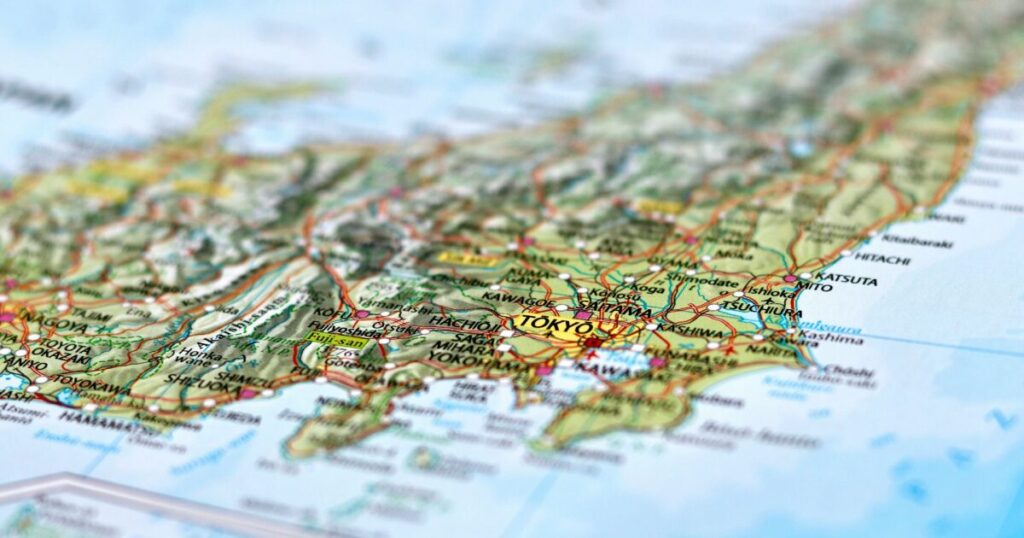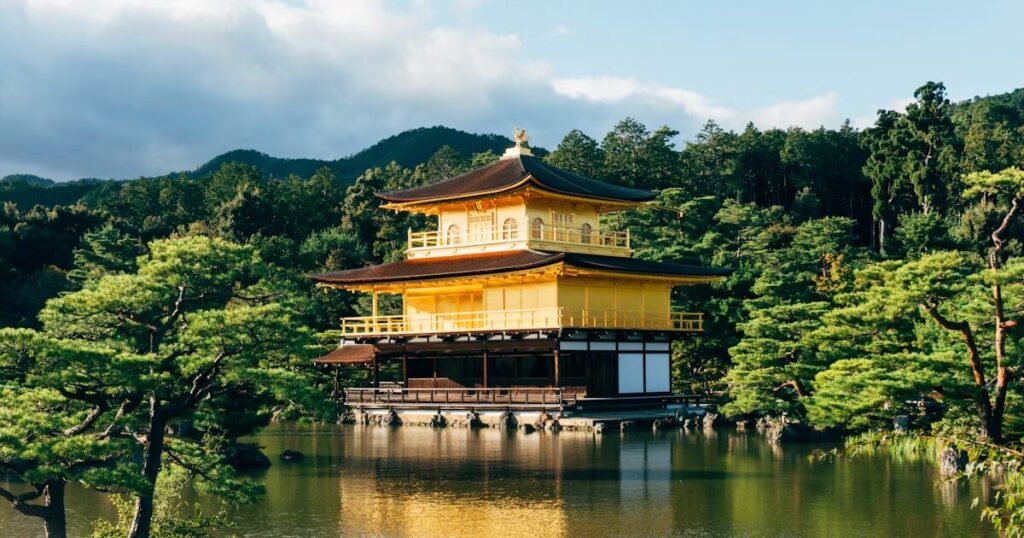
If you are planning your first trip to Japan, a 10-day Japan itinerary covering Tokyo, Kyoto, and Osaka is one of the easiest and most rewarding ways to see the country. This route gives you a little of everything: Tokyo’s fast-paced energy, Kyoto’s traditional beauty, and Osaka’s famous food culture and relaxed local vibe.
For many first-time visitors, the hardest part is not choosing where to go, but figuring out how to organize the trip without making it feel rushed. Japan offers an endless number of places to visit, and it is easy to build an itinerary that looks exciting on paper but feels exhausting in real life. With 10 days, though, you can comfortably enjoy the highlights of all three cities if you keep the route simple and realistic.
This guide is designed for travelers who want a beginner-friendly plan that makes sense. Instead of trying to squeeze in too many destinations, this itinerary focuses on the classic Golden Route and shows you how to enjoy it at a comfortable pace. You will have time for major sights, great food, neighborhood walks, and a few slower moments along the way.
If this is your first time in Japan, this itinerary works especially well because it introduces three very different sides of the country. Tokyo gives you skyscrapers, shopping, modern culture, and some of the best food in the world. Kyoto brings temples, shrines, historic streets, and a more traditional atmosphere. Osaka adds street food, nightlife, and a fun, down-to-earth energy that feels distinct from both Tokyo and Kyoto.
By the end of this trip, you will have experienced some of Japan’s most iconic destinations while still leaving room to enjoy the journey.
Why This 10-Day Japan Itinerary Works for First-Time Visitors
One of the biggest mistakes first-time travelers make is trying to cover too much ground. Adding too many cities often means spending more time on trains, in stations, and checking in and out of hotels than actually enjoying Japan. This itinerary avoids that problem by focusing on three destinations that are easy to connect and very different from one another.
- Tokyo is the perfect starting point, with major international airports, excellent transport, and endless things to do.
- Kyoto gives you a slower, more traditional side of Japan in the middle of the trip.
- Osaka is ideal for your final stop thanks to its casual atmosphere, great food, and easy access to Kansai International Airport.
- The route is simple and efficient, with easy travel between cities by shinkansen.
It also reduces unnecessary backtracking. You arrive in Tokyo, travel west to Kyoto, continue on to Osaka, and then fly home from Osaka if possible. That makes the trip smoother and more time-efficient.
10-Day Japan Itinerary Overview
| Day | Destination | Focus |
|---|---|---|
| Day 1 | Tokyo | Arrival and a relaxed first evening |
| Day 2 | Tokyo | Classic Tokyo highlights |
| Day 3 | Tokyo | Culture, shopping, and city views |
| Day 4 | Tokyo | Flexible day or optional side trip |
| Day 5 | Kyoto | Travel to Kyoto and evening exploration |
| Day 6 | Kyoto | Eastern Kyoto and classic sights |
| Day 7 | Kyoto | Arashiyama and western Kyoto |
| Day 8 | Osaka | Travel to Osaka and Dotonbori |
| Day 9 | Osaka | Osaka highlights and local food |
| Day 10 | Osaka | Final sightseeing and departure |
Before You Go: Essential Planning Tips
Book an Open-Jaw Flight If You Can
If your budget allows, try to fly into Tokyo and out of Osaka, or the other way around. This is often called an open-jaw itinerary, and it saves time because you do not have to return to Tokyo at the end of the trip.
Pack Light
Japan’s train system is excellent, but dragging large suitcases through stations, stairways, and crowded platforms can get tiring quickly. For most travelers, one medium suitcase and a backpack are more than enough for 10 days.
Stay Near Major Train Stations
Choosing the right hotel area will make your trip much easier. For this route, the most convenient places to stay are:
- Tokyo: Shinjuku, Shibuya, Ueno, or Tokyo Station
- Kyoto: Kyoto Station or Gion
- Osaka: Namba or Umeda
Use an IC Card
An IC card such as Suica, Pasmo, or ICOCA makes local travel much easier. You can use it for trains, subways, buses, and even at many convenience stores and vending machines.
Leave Room in Your Schedule
Japan is at its best when you leave time for unplanned moments. A great café, a quiet side street, a department store food hall, or a beautiful shrine you did not expect can become one of the best memories of the trip.
Detailed 10-Day Japan Itinerary
Day 1: Arrive in Tokyo and Keep Things Easy
Your first day in Japan should be simple. Even if you feel energized after landing, jet lag and travel fatigue can hit later than expected. Rather than trying to fit in major sightseeing, focus on settling in and enjoying a relaxed first evening.
After arriving, head to your hotel, drop off your bags, and take a short walk in a nearby neighborhood. Keeping things local will help you adjust to the city without feeling overwhelmed.
Good first-night areas include:
- Shinjuku for bright lights, department stores, and classic Tokyo energy
- Shibuya for famous streets, shopping, and nightlife
- Ueno for a calmer atmosphere with parks and local food
- Tokyo Station / Marunouchi for a polished, central location
For dinner, keep it easy and casual. Your first meal in Japan does not need to be fancy. A bowl of ramen, Japanese curry, tonkatsu, or sushi from a solid local restaurant is a perfect way to start the trip.
Tip: A relaxed first day will make the rest of your itinerary much more enjoyable.
Day 2: See Tokyo’s Classic Highlights
Now that you have had some rest, it is time to see some of Tokyo’s most iconic neighborhoods. The best approach is to group nearby areas together rather than crossing the city too many times.
Start your morning in Asakusa, one of the best places to begin a first trip to Tokyo. Visit Senso-ji Temple, Tokyo’s most famous Buddhist temple, and stroll through Nakamise Street for traditional snacks and souvenirs. This part of the city gives you an early taste of old Tokyo.
From there, head to Ueno or Akihabara, depending on your interests. Ueno is a good choice if you enjoy parks, museums, and a slightly more local atmosphere. Akihabara is ideal if you are into anime, gaming, electronics, or themed cafés.
In the afternoon, make your way to Shibuya. See the famous Shibuya Scramble Crossing, explore the surrounding shops, and enjoy the high-energy atmosphere that many people imagine when they think of Tokyo. If you still have time, continue on to Harajuku and Omotesando for fashion, cafés, and a different side of the city.
Finish the day with dinner in Shibuya or Shinjuku.
Suggested route:
Asakusa → Ueno or Akihabara → Shibuya → Harajuku
Day 3: Tokyo Culture, Food, and City Views
For your third day in Tokyo, slow the pace slightly and enjoy a mix of culture, neighborhoods, and food. Start with Meiji Shrine, a peaceful Shinto shrine set within a forested park near Harajuku. It is one of the easiest places in Tokyo to escape the city noise for a while.
After that, spend more time exploring Harajuku or walk down to Omotesando, where the atmosphere feels more refined and stylish. This area shows a different side of Tokyo, with wide streets, architecture, boutiques, and cafés.
Later in the day, choose one of these areas depending on your interests:
- Ginza for elegant shopping and department store food halls
- Roppongi for museums and skyline views
- Tokyo Station for architecture, shopping, and a convenient central location
If you want a great skyline view, this is a good day to visit an observation deck in the late afternoon or evening. Tokyo looks especially impressive after dark.
For dinner, consider trying one of the city’s classic favorites:
- sushi
- yakitori
- izakaya dishes
- tempura
- yakiniku or wagyu
Three days is not enough to see all of Tokyo, and that is perfectly fine. Focus on enjoying the city rather than trying to check off every major attraction.
Day 4: Flexible Tokyo Day or Optional Day Trip
Your fourth day in Tokyo gives you room to customize the trip based on your interests and energy level. Some travelers want another full day in the city, while others prefer a short escape.
Option 1: Spend Another Day in Tokyo
- Visit a digital art museum or immersive exhibition
- Explore Toyosu or the wider Tsukiji area for food
- Walk through neighborhoods such as Nakameguro, Daikanyama, or Kichijoji
- Go shopping in Shinjuku, Ginza, or Shibuya
- Visit a garden or museum
Option 2: Take a Short Side Trip
- Kamakura for temples, bamboo groves, and a coastal atmosphere
- Yokohama for waterfront views, shopping, and an easy city escape
- Nikko for grand shrines and nature, though it makes for a longer day
For most first-time visitors, either staying in Tokyo or choosing a short side trip works best. Since Kyoto and Osaka are still ahead, there is no need to make this day overly ambitious.
Day 5: Travel from Tokyo to Kyoto
Today you leave Tokyo and take the shinkansen to Kyoto. The trip is smooth, comfortable, and surprisingly easy, even for first-time visitors. If possible, leave in the morning so you still have time to enjoy Kyoto later in the day.
Once you arrive, drop off your luggage and keep your plans simple. Kyoto has a very different atmosphere from Tokyo, and it is best appreciated at a slower pace.
A great first afternoon or evening in Kyoto includes:
- a walk through Gion
- a visit to Yasaka Shrine
- an evening stroll around Higashiyama
- a relaxed dinner in a traditional setting
One of the best parts of this itinerary is the contrast between the cities. Kyoto feels calmer, more historic, and more intimate than Tokyo, and that shift in atmosphere is part of what makes the trip so memorable.
Travel tip: Kyoto’s sights are more spread out than many travelers expect, so grouping nearby areas together is important.
Day 6: Explore Kyoto’s Most Famous Sights
This is your main sightseeing day in Kyoto, so start early. Popular areas can get crowded, especially later in the morning and afternoon.
Begin at Fushimi Inari Taisha, one of Japan’s most famous shrines, known for its long tunnels of red torii gates. Visiting early gives you a better experience and a quieter atmosphere.
After that, head to Higashiyama, one of Kyoto’s most beautiful and rewarding districts for first-time visitors. Here you can explore:
- Kiyomizu-dera
- Sannenzaka
- Ninenzaka
- traditional shops, tea houses, and old streets
This is one of the best places in Japan to simply slow down and enjoy the surroundings. Some of the most memorable moments in Kyoto come from wandering, stopping for matcha, and taking in the small details.
In the afternoon, continue into Gion if you want more traditional streets and atmosphere. Depending on your pace, you could also add Kodai-ji, Maruyama Park, or another nearby temple.
Day 7: Arashiyama and Western Kyoto
For your second full day in Kyoto, visit Arashiyama, a scenic district on the western side of the city. As with many popular places in Kyoto, it is best to start early.
Arashiyama is best known for the bamboo grove, but there is plenty more to see in the area, including:
- the Arashiyama Bamboo Grove
- Tenryu-ji Temple
- Togetsukyo Bridge
- the riverside walking area
- the monkey park for elevated views
This part of Kyoto feels more open and scenic than the eastern districts, which makes it a nice contrast after the previous day. If you finish early, you can head back into central Kyoto for a relaxed dinner or a final evening walk.
By the end of Day 7, most first-time visitors will feel they have seen the essential side of Kyoto without needing to rush.
Day 8: Travel to Osaka and Explore Dotonbori
The trip from Kyoto to Osaka is short and easy, making this one of the lightest travel days of the itinerary. After checking in at your hotel, head out and enjoy Osaka’s energetic, food-loving atmosphere.
Compared with Kyoto, Osaka feels more casual, more playful, and a little more rough around the edges in the best possible way. It is a great city to end your trip in because it invites you to relax and have fun.
Spend your first afternoon or evening in Namba and Dotonbori. This is one of Osaka’s most famous areas, known for bright neon signs, canal views, and endless street food.
Popular foods to try in Osaka include:
- takoyaki
- okonomiyaki
- kushikatsu
- grilled seafood
- casual local snacks and sweets
Dotonbori is busy and touristy, but it is also one of the most iconic and entertaining places in Osaka, especially for a first visit.
Day 9: Enjoy Osaka’s Highlights
Today is your full day in Osaka. Start with Osaka Castle if you want to see one of the city’s best-known landmarks. The grounds are especially pleasant, and many travelers enjoy the exterior and surrounding park just as much as the museum inside.
After that, choose the parts of Osaka that best match your style.
Good options for the rest of the day include:
- Shinsaibashi for shopping
- Shinsekai for retro atmosphere and local character
- Umeda for department stores and city views
- Kuromon Market for casual food and snacks
- Nakanoshima for a calmer urban walk
Osaka is often less about famous sightseeing spots and more about enjoying the mood of the city. It is the kind of place where eating well, wandering around, and soaking up the atmosphere can be more satisfying than following a strict checklist.
For your final evening in Japan, choose a fun and memorable meal. Osaka is at its best when it feels relaxed, social, and delicious.
Day 10: Final Morning in Osaka and Departure
Your last day depends on your departure time. If you are flying out of Osaka, enjoy a final easy breakfast, do some last-minute shopping, and leave plenty of time to get to the airport.
If your flight is later in the day, you could fit in one more low-stress activity, such as:
- a final walk through Namba
- shopping in Umeda
- a café stop near your hotel
- picking up gifts and snacks from a department store food hall
If you are flying home from Tokyo instead, make sure to plan enough time for the return journey. This is one reason why flying into Tokyo and out of Osaka is usually the easiest option for this itinerary.
Recommended City Split for 10 Days in Japan
For most first-time visitors, this is the most balanced and practical split:
- Tokyo: 4 nights
- Kyoto: 3 nights
- Osaka: 2 nights
This gives you enough time to enjoy each city without making the itinerary feel rushed. If you love traditional culture, you could shift an extra night to Kyoto. If you are especially interested in food and nightlife, an extra night in Osaka could also work well. Still, for a first trip, the split above is one of the most reliable options.
Budget Tips for This Japan Itinerary
Japan can work for a range of budgets, but a few simple choices can make a big difference.
Ways to Save Money
- Stay near train stations for convenience and fewer taxi rides
- Eat at casual local restaurants
- Use convenience stores for breakfast, drinks, and snacks
- Book hotels early during busy travel seasons
- Avoid overusing taxis in large cities
Worth Spending More On
- a hotel in a convenient location
- one or two special meals
- luggage forwarding if you are carrying large bags
- reserved train seats during peak travel periods
On a multi-city trip, convenience often improves the overall experience more than luxury does.
Common Mistakes to Avoid
- Trying to add too many destinations
Tokyo, Kyoto, and Osaka are more than enough for a great first trip. - Underestimating travel fatigue
Even with Japan’s excellent transport, moving between cities takes energy. - Planning every hour of the day
Leave room for slower mornings, weather changes, and unexpected discoveries. - Skipping Osaka
Some travelers assume Osaka feels too similar to Tokyo, but the atmosphere is completely different. - Rushing through Kyoto
Kyoto is much more enjoyable when you slow down and focus on fewer areas each day.
Final Thoughts on This 10-Day Japan Itinerary
If you are looking for the best 10-day Japan itinerary for first-time visitors, this route through Tokyo, Kyoto, and Osaka is one of the strongest options. It gives you a well-balanced introduction to modern Japan, traditional Japan, and Japan’s famous food culture, all without making the trip feel too rushed.
You will not see everything in 10 days, and that is completely normal. Japan is the kind of destination that almost always leaves people wanting to come back. But if your goal is to have a smooth, exciting, and memorable first trip, this itinerary is an excellent place to start.
The best travel plans are not the ones with the longest checklists. They are the ones that give you enough structure to see the highlights while still leaving space to enjoy the experience. That is exactly what this 10-day Japan itinerary is designed to do.