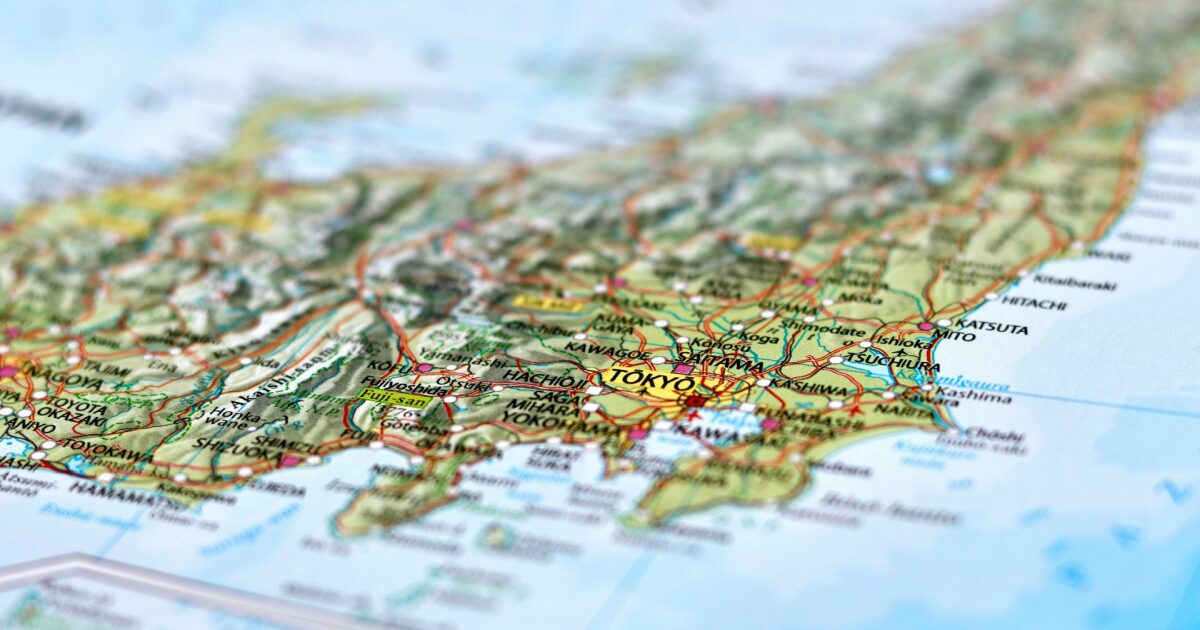
Planning a Tokyo and Osaka itinerary is one of the best ways to experience Japan for the first time. Tokyo gives you iconic city energy, world-famous neighborhoods, and endless variety. Osaka offers a more relaxed atmosphere, unforgettable food, and easy access to some of the best destinations in Kansai. Together, they create a well-balanced trip that feels exciting, practical, and distinctly Japanese.
Many first-time visitors struggle with the same question: Should I visit Tokyo or Osaka? The truth is, you do not have to choose. Thanks to Japan’s efficient rail network, traveling between the two cities is easy, which makes a twin-city itinerary both realistic and highly rewarding.
In this guide, you will learn how many days to spend in Tokyo and Osaka, where to stay, how to travel between the cities, and how to build the perfect day-by-day plan. Whether you have 5 days, 7 days, or 10 days in Japan, this itinerary will help you plan a smoother and more enjoyable trip.
Why Visit Tokyo and Osaka on the Same Trip?
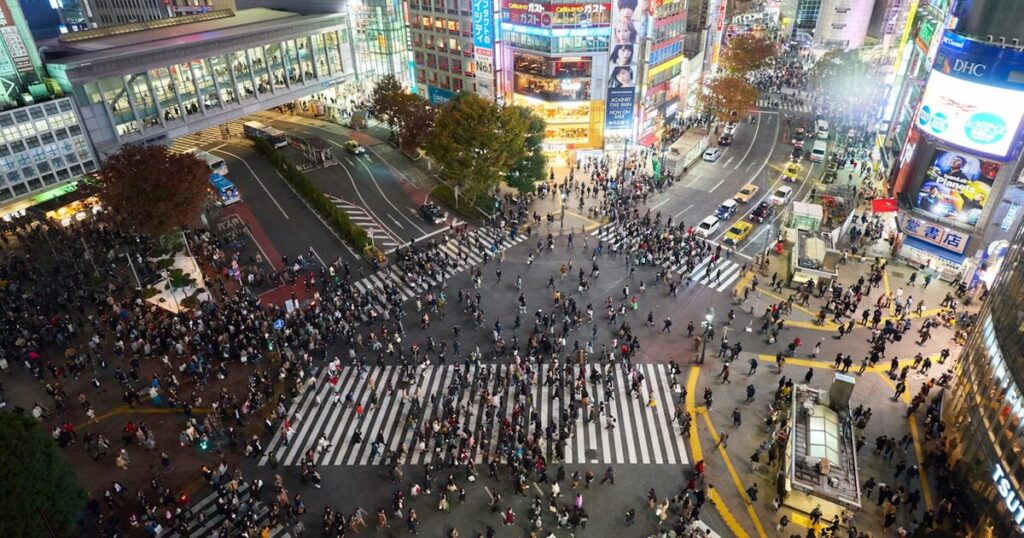
If you want a trip that shows you two very different sides of Japan, combining Tokyo and Osaka is a smart choice. Tokyo is fast-paced, modern, and packed with famous attractions. You can explore historic areas like Asakusa in the morning and spend the evening in energetic districts like Shibuya or Shinjuku.
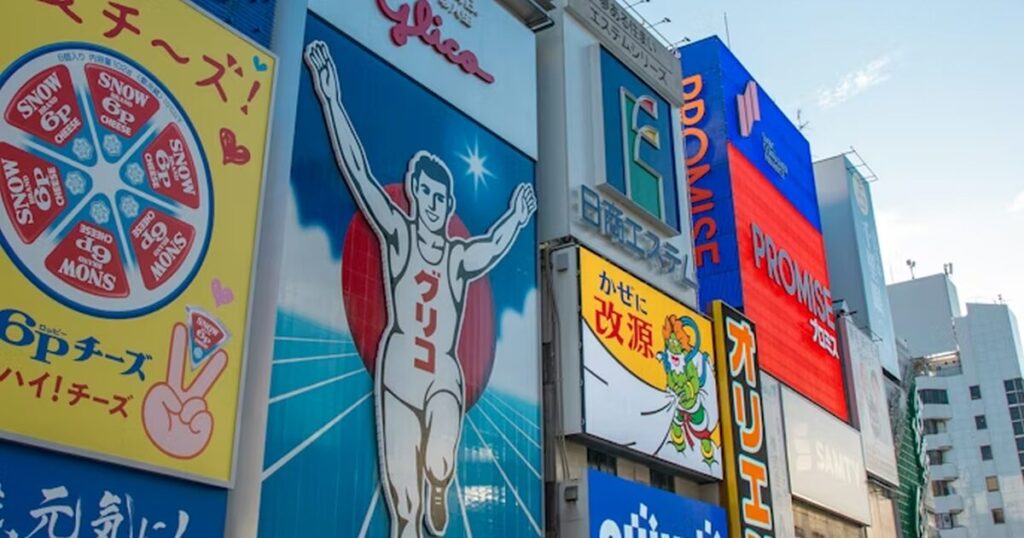
Osaka feels different right away. It is often seen as friendlier, more casual, and easier to navigate than Tokyo. It is especially famous for its food scene, nightlife, and down-to-earth atmosphere. For many travelers, Osaka adds warmth and personality to an itinerary that might otherwise feel too focused on Tokyo’s scale and intensity.
This combination works especially well because each city offers something the other does not. Tokyo delivers big-city excitement, while Osaka brings comfort, food culture, and access to the Kansai region. If you want a first trip to Japan that feels varied and memorable, this is one of the strongest itinerary options available.
How Many Days Do You Need for a Tokyo and Osaka Itinerary?
The ideal trip length depends on your pace, but most travelers will find that 7 days is the sweet spot. That gives you enough time to see the highlights of both cities without turning the entire trip into a race.
| Trip Length | Best For | Suggested Split |
|---|---|---|
| 5 Days | A fast-paced first trip | 3 days in Tokyo / 2 days in Osaka |
| 7 Days | Most first-time visitors | 4 days in Tokyo / 3 days in Osaka |
| 10 Days | A more relaxed trip with day trips | 5 days in Tokyo / 3 days in Osaka / 2 flexible days |
If you only have 5 days, you can still visit both cities, but you will need to focus on the highlights and keep your schedule efficient. A 7-day Tokyo and Osaka itinerary is ideal for most travelers because it allows you to experience both cities without feeling rushed every single day.
If you have 10 days or more, your trip becomes much more flexible. You can slow down, add day trips, spend more time shopping or eating, and enjoy the cities at a more comfortable pace.
Should You Start in Tokyo or Osaka?
For most international travelers, it makes the most sense to start in Tokyo. Tokyo is one of the main international gateways into Japan, and it often feels like the most dramatic introduction to the country. The city’s scale, energy, and variety make a strong first impression.
After Tokyo, Osaka often feels like a welcome shift in pace. It is still lively and urban, but it tends to feel more relaxed and approachable. That is why many travelers enjoy doing Tokyo first and Osaka second.
However, starting in Osaka can also work well if:
- You find a better flight into Kansai International Airport
- You want a softer landing in a more compact city
- You plan to spend more time in Kyoto, Nara, or the Kansai region
If possible, try to book an open-jaw flight:
- Fly into Tokyo
- Travel overland to Osaka
- Fly out of Osaka
This saves time, reduces backtracking, and makes your overall itinerary more efficient.
How to Travel Between Tokyo and Osaka
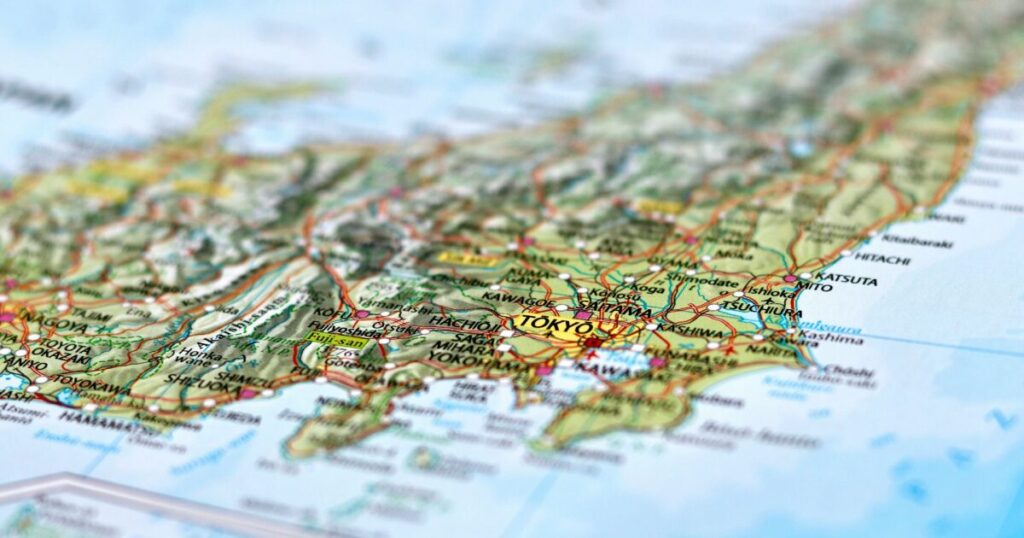
The easiest and most popular way to travel between Tokyo and Osaka is by Shinkansen. For most first-time visitors, it is the best option because it is fast, comfortable, and convenient. You travel from city center to city center, which makes the overall journey much smoother than flying.
Shinkansen
Best for: Speed, comfort, and convenience
Why it works well: Frequent departures, comfortable seating, and easy access to central Tokyo and central Osaka
Domestic Flight
Best for: Travelers who find a very cheap fare or are planning a multi-city flight route
Downside: Airports are farther from the city center, so the total travel time can be longer than expected
Highway Bus
Best for: Budget travelers
Downside: Slower and usually less comfortable, especially for first-time visitors
For most people, the Shinkansen is the clear winner. It is simple, efficient, and part of the Japan travel experience in its own right.
Where to Stay in Tokyo
Tokyo is massive, so choosing the right area can make a big difference. A convenient hotel location will save you time, reduce stress, and help you enjoy the city more.
Best areas to stay in Tokyo for first-time visitors
Shinjuku
One of the most convenient places to stay in Tokyo. It offers excellent train access, plenty of restaurants, shopping, and nightlife.
Shibuya
A great choice if you want a youthful, lively atmosphere with easy access to shopping, cafes, and major attractions.
Ueno
A practical area with good transport connections and a slightly calmer feel than Shinjuku or Shibuya.
Asakusa
Ideal for travelers who want a more traditional setting and easy access to one of Tokyo’s most famous historic districts.
Tokyo hotel tip: If this is your first trip, staying near a major station is usually worth it. Convenience matters more than luxury for most travelers.
Where to Stay in Osaka
Osaka is generally easier to navigate than Tokyo, but your hotel location still plays an important role in how smooth your trip feels.
Best areas to stay in Osaka for first-time visitors
Namba
A fantastic base for food, nightlife, and easy access to Dotonbori and central Osaka.
Umeda / Osaka Station Area
Ideal if you want great transport access, shopping, and easy day trips to other parts of Kansai.
Shinsaibashi
A lively central area with shopping streets, restaurants, and convenient access to major attractions.
Osaka hotel tip: Stay in Namba if food and atmosphere are your priority. Stay in Umeda if convenience and train connections matter most.
Perfect 7-Day Tokyo and Osaka Itinerary
If you are looking for the best balance of sightseeing and comfort, this 7-day Tokyo and Osaka itinerary is the strongest option for first-time visitors.
Day 1: Arrive in Tokyo
Keep your first day simple. Check into your hotel, explore the local area, and have an easy first meal. There is no need to pack your arrival day with too many activities, especially if you are dealing with jet lag.
Good first-day ideas:
- Take a short walk around your hotel area
- Visit a department store food hall
- Have an early dinner and get some rest
Day 2: Asakusa and Ueno
Start your Tokyo sightseeing in Asakusa, one of the city’s best-known historic districts. Visit Senso-ji Temple, walk along Nakamise Street, and enjoy a more traditional side of Tokyo.
In the afternoon, head to Ueno. You can relax in Ueno Park, visit a museum, or simply enjoy the local shopping streets and casual atmosphere.
Why this works: It gives your trip a cultural and scenic start before you move into Tokyo’s busier modern neighborhoods.
Day 3: Shibuya, Harajuku, and Shinjuku
This is your classic modern Tokyo day. Start in Shibuya for the famous crossing, shopping, and big-city atmosphere. Continue to Harajuku and Omotesando for youth culture, fashion, and stylish streets. Finish in Shinjuku for dinner, views, and nightlife.
Tip: Do not try to cover every street and every attraction. The best part of these areas is simply walking around, exploring, and enjoying the energy.
Day 4: Flexible Tokyo Day
Use this day to match your interests. Some good options include:
- Akihabara for anime, gaming, and electronics
- Ginza for shopping and department stores
- Tokyo Bay for modern attractions and waterfront views
- A relaxed café, shopping, or neighborhood day
This is also the perfect day to slow down if you have been moving quickly.
Day 5: Travel to Osaka
Take the Shinkansen from Tokyo to Osaka and check into your hotel. Once you arrive, keep the day simple and enjoyable. Spend the evening in Dotonbori, one of Osaka’s most iconic areas, and start exploring the city through its food.
Foods to try in Osaka:
- Takoyaki
- Okonomiyaki
- Kushikatsu
Day 6: Osaka Castle and Umeda
Visit Osaka Castle in the morning, then head to Umeda for shopping, dining, and city views. This is one of the easiest ways to combine Osaka’s history with its modern urban side.
Why this works: It keeps transit simple while giving you a good mix of major sights and local city atmosphere.
Day 7: Final Day in Osaka or a Day Trip
For your final day, choose the version of the trip that best fits your travel style.
Option A: Stay in Osaka
Spend more time exploring areas like Shinsekai, Kuromon Market, or the bay area.
Option B: Take a day trip
Visit Kyoto or Nara if you want temples, gardens, and a more traditional Kansai experience.
After that, depart from Osaka or continue your trip depending on your flight plan.
5-Day Tokyo and Osaka Itinerary
If you are short on time, this is a realistic and efficient version of the trip.
| Day | Plan |
|---|---|
| Day 1 | Arrive in Tokyo |
| Day 2 | Asakusa and Shibuya |
| Day 3 | Tokyo in the morning, Shinkansen to Osaka |
| Day 4 | Osaka Castle and Dotonbori |
| Day 5 | Osaka in the morning, then departure |
This version is fast-paced, but it works well if you stay focused and avoid overloading each day.
10-Day Tokyo and Osaka Itinerary
If you have more time, your trip becomes much easier and more enjoyable.
- Days 1 to 5: Tokyo
- Day 6: Travel to Osaka
- Days 7 to 8: Osaka
- Day 9: Kyoto or Nara day trip
- Day 10: Final shopping, food, or departure
This version gives you room to enjoy the cities without constantly watching the clock.
How to Balance Tokyo and Osaka Without Burning Out
One of the biggest mistakes travelers make is trying to do too much. Tokyo and Osaka each have enough attractions to fill an entire trip on their own. That means the goal should not be to see everything. Instead, focus on building a trip that feels balanced and realistic.
A simple daily structure works well:
- 1 major neighborhood
- 1 main attraction
- 1 food or shopping block
- An optional evening activity
That is usually more than enough for a satisfying day in Japan.
Smart area pairings include:
- Asakusa + Ueno
- Shibuya + Harajuku
- Osaka Castle + Umeda
- Namba + Dotonbori
These pairings make geographic sense and help reduce unnecessary transit time.
What to Eat on a Tokyo and Osaka Trip
Food is one of the best reasons to visit both cities, and each one offers a different experience.
What Tokyo is especially good for
- Sushi
- Ramen
- Trendy cafés
- Department store food halls
- A wide range of international dining options
What Osaka is especially good for
- Takoyaki
- Okonomiyaki
- Kushikatsu
- Casual local dining
- Late-night food culture
A simple rule works well: use Tokyo for variety and Osaka for comfort food and local specialties.
Practical Tips for a Tokyo and Osaka Itinerary
1. Pack lighter than you think
You will likely walk a lot, use stairs, and move through busy stations. Packing lighter will make the entire trip easier.
2. Stay near stations
This is one of the simplest ways to save time and reduce travel stress.
3. Do not change hotels too often
For most travelers, one hotel in Tokyo and one hotel in Osaka is enough.
4. Keep arrival and departure days flexible
Flight delays and jet lag can affect your energy more than expected.
5. Leave room for spontaneous moments
Some of the best travel memories in Japan come from wandering through neighborhoods, trying an unexpected restaurant, or taking a break when you need one.
Common Mistakes to Avoid
Trying to do too many cities in one week
Tokyo, Osaka, Kyoto, Nara, and Hiroshima in a single 7-day trip may sound impressive, but it usually feels rushed and exhausting.
Underestimating station navigation
Japan’s trains are efficient, but large stations can still take time and energy to navigate.
Planning every hour
Structure is helpful, but overplanning can make the trip feel stressful rather than fun.
Ignoring neighborhood atmosphere
Not every great travel experience comes from a famous landmark. Sometimes the best parts of a trip are the quieter local moments in between.
Final Thoughts
A well-planned Tokyo and Osaka itinerary is one of the best introductions to Japan. Tokyo gives you famous landmarks, dynamic neighborhoods, and nonstop variety. Osaka adds amazing food, a more relaxed mood, and easy access to the Kansai region. Together, they create a trip that feels exciting, balanced, and memorable.
If you are visiting Japan for the first time, this twin-city route is hard to beat. It gives you the chance to experience both the intensity of Tokyo and the warmth of Osaka in a single trip. And for many travelers, that combination becomes the reason they want to come back again.