Tokyo is one of the most exciting cities in the world, but planning your first visit can feel a little intimidating. It is huge, fast-paced, and filled with an almost endless number of things to see, eat, and do. From neon-lit entertainment districts and famous sushi counters to peaceful shrines, quiet backstreets, and beautifully designed cafes, Tokyo offers a travel experience that feels both futuristic and deeply rooted in tradition.
The good news is that Tokyo is far easier to explore than many first-time visitors expect. The city is safe, clean, efficient, and remarkably well organized once you understand the basics. Public transportation is excellent, major attractions are well connected, and many stations and signs include English. Even if you do not speak Japanese, you can still enjoy a smooth and memorable trip.
This Tokyo travel guide for first-time visitors covers everything you need to know before your trip. You will find practical advice on the best time to visit, where to stay, how to get around, what to eat, the top things to do, and useful travel tips to help you feel confident from the moment you arrive.
If you are visiting Tokyo for the first time and want a guide that is clear, beginner-friendly, and easy to use, this is the place to start.
Why Tokyo Is Perfect for First-Time Visitors
Tokyo is often the first stop on a Japan itinerary, and it is easy to see why. It gives travelers a little bit of everything. You can start your day at a historic temple, spend the afternoon shopping in a modern district, and end the evening with ramen or sushi in a tiny local restaurant.
Here are a few reasons why Tokyo works so well for first-time visitors:
- It is convenient. Tokyo’s train and subway network makes it easy to reach major sights across the city.
- It is safe. Tokyo is widely considered one of the safest big cities in the world, including for solo travelers.
- It offers something for everyone. Whether you love food, anime, fashion, museums, architecture, nightlife, or culture, Tokyo has it.
- It blends old and new beautifully. Few places combine tradition and innovation as naturally as Tokyo.
That said, Tokyo is not a city you need to conquer all at once. In fact, the best way to enjoy it is to explore one or two neighborhoods at a time and leave room for spontaneous discoveries.
Best Time to Visit Tokyo
Tokyo is a year-round destination, but the best season for your trip depends on your travel style, weather preferences, and priorities.
Spring (March to May)
Spring is one of the most popular times to visit Tokyo, especially during cherry blossom season. Parks, riversides, and gardens look beautiful, and the weather is usually mild and comfortable. It is a wonderful time for sightseeing, though hotels and attractions can be busier and more expensive.
Summer (June to August)
Summer in Tokyo is hot, humid, and often intense. June usually brings the rainy season, while July and August can be very warm. Still, summer also offers fireworks, festivals, and a lively seasonal atmosphere that many travelers enjoy.
Autumn (September to November)
Autumn is one of the best seasons for first-time visitors. The weather becomes cooler and more comfortable, and Tokyo’s gardens and parks often display beautiful fall colors. It is a popular season, but many travelers find it one of the easiest times to explore the city on foot.
Winter (December to February)
Winter is colder, but Tokyo is usually dry and sunny. This can be a great time to visit if you prefer smaller crowds and crisp, clear days. Seasonal illuminations and holiday lights also add a special atmosphere to the city.
| Season | Why Visit | Things to Consider |
|---|---|---|
| Spring | Cherry blossoms, mild weather, beautiful scenery | Higher prices and larger crowds |
| Summer | Festivals, fireworks, lively atmosphere | Heat, humidity, and rainy season |
| Autumn | Comfortable weather, fall colors, great walking season | Popular travel period |
| Winter | Fewer crowds, sunny days, seasonal illuminations | Cold mornings and evenings |
For most first-time travelers, spring and autumn are the best times to visit Tokyo.
How Many Days Do You Need in Tokyo?
For a first trip, 4 to 5 days in Tokyo is a great starting point. That gives you enough time to see the major highlights, enjoy a few different neighborhoods, and still travel at a comfortable pace.
- 2 to 3 days: Good for a short highlights-focused visit
- 4 to 5 days: Ideal for most first-time visitors
- 6 to 7 days: Best for a slower trip with shopping, museums, and day trips
Tokyo is enormous, but you do not need to see everything on your first visit. Trying to do too much is one of the most common mistakes travelers make.
Where to Stay in Tokyo for First-Time Visitors
Choosing the right neighborhood can make your trip much easier. For first-time visitors, the best areas usually offer excellent transport connections, plenty of food options, and easy access to major attractions.
Shinjuku
Shinjuku is one of the most convenient places to stay in Tokyo. It has a major station, excellent shopping, plenty of restaurants, and easy access to other parts of the city. It is especially convenient if you want to stay somewhere lively and central.
Best for: Convenience, nightlife, transport, first-time visitors
Atmosphere: Busy, energetic, and always active
Shibuya
Shibuya is stylish, lively, and very easy for visitors. It is a great base if you enjoy shopping, trendy cafes, nightlife, and a youthful city atmosphere. It also has excellent train connections.
Best for: Shopping, nightlife, first-time visitors, younger travelers
Atmosphere: Trendy, central, and crowded
Ueno
Ueno is a practical and often more budget-friendly option. It is a good area for museums, parks, and easy access to traditional parts of Tokyo such as Asakusa. It also works well for families and travelers who prefer a more relaxed base.
Best for: Budget-conscious travelers, museums, families
Atmosphere: Relaxed and practical
Asakusa
Asakusa is one of the best places to stay if you want a more traditional atmosphere. It is home to Senso-ji Temple and has a slower, more historic feel than many parts of western Tokyo.
Best for: Traditional atmosphere, culture, slower pace
Atmosphere: Historic, calmer, and charming
Tokyo Station / Marunouchi
This area is polished, convenient, and especially useful if you plan to travel onward by Shinkansen. It feels more business-oriented, but it is comfortable, central, and efficient.
Best for: Transport, comfort, short stays
Atmosphere: Clean, central, and upscale
| Area | Best For | Atmosphere |
|---|---|---|
| Shinjuku | Convenience, nightlife, transport | Busy and energetic |
| Shibuya | Shopping, first-time visitors, nightlife | Trendy and lively |
| Ueno | Budget stays, museums, families | Relaxed and practical |
| Asakusa | Traditional atmosphere, culture | Historic and calmer |
| Tokyo Station / Marunouchi | Transport, comfort, convenience | Polished and central |
If you are not sure where to stay, Shinjuku and Shibuya are usually the easiest all-around choices for first-time visitors.
How to Get Around Tokyo
Tokyo’s transport system can look overwhelming at first, but it quickly becomes manageable. Once you understand the basics, getting around is usually straightforward.
Use an IC Card
The easiest way to ride trains, subways, and buses in Tokyo is with an IC card such as Suica or Pasmo. Instead of buying individual tickets each time, you simply tap in and tap out.
Rely on Google Maps
For most travelers, Google Maps works very well in Tokyo. It shows train lines, transfer points, estimated travel times, and often even the platform number you need.
Do Not Overthink the Train Network
Tokyo has JR lines, subway lines, and several private rail companies. It sounds complicated, but in practice, the easiest approach is simple: follow the route in your app and look carefully for the line name and platform signs.
Avoid Rush Hour When Possible
Trains can get extremely crowded on weekday mornings and evenings. If possible, avoid peak commuting times, especially around 7:30 to 9:30 AM and 5:30 to 7:30 PM.
Use Taxis Strategically
Taxis in Tokyo are safe, clean, and reliable, but they are much more expensive than public transport. They are most useful late at night, when carrying luggage, or after a long day of sightseeing.
Best Things to Do in Tokyo for First-Time Visitors
There is no shortage of things to do in Tokyo, but first-time visitors usually enjoy the city most when they combine famous landmarks with time to simply explore different neighborhoods.
1. Visit Senso-ji Temple in Asakusa
Senso-ji is Tokyo’s most famous temple and one of the best places to begin your trip. The approach through Nakamise Street, the giant lantern gate, and the temple grounds create a classic first impression of Tokyo.
2. Experience Shibuya Crossing
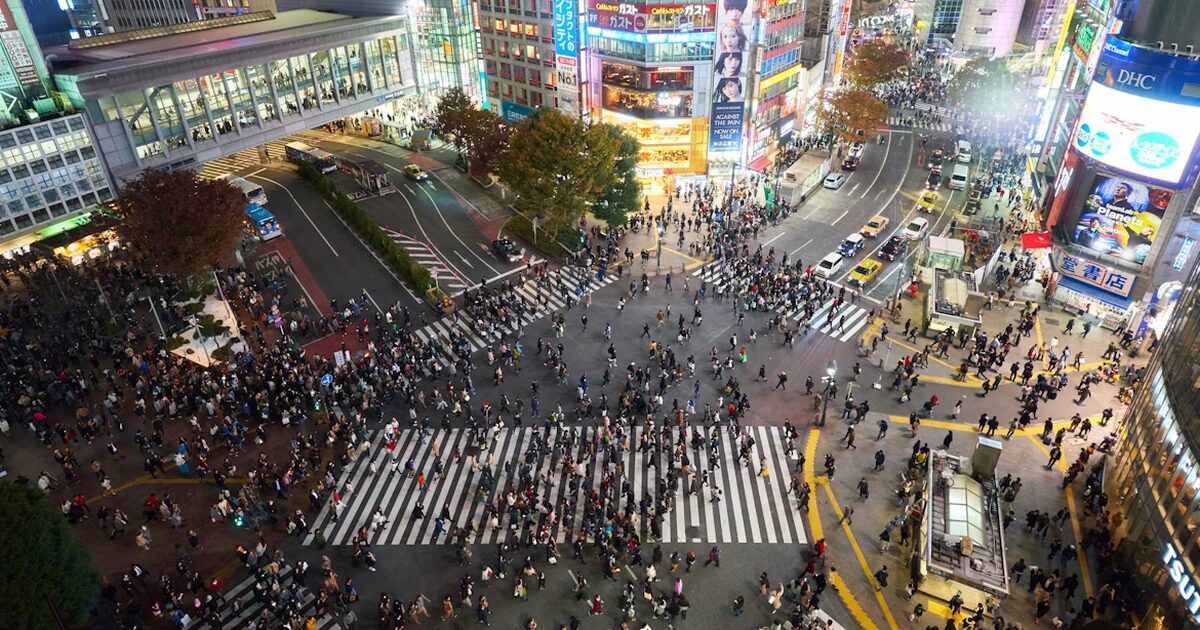
Shibuya Crossing is one of Tokyo’s most iconic sights. It may be famous, but it is still worth seeing in person at least once. The surrounding area is packed with shops, restaurants, and nonstop energy.
3. Walk Through Meiji Shrine
Located near Harajuku, Meiji Shrine offers a quiet and refreshing contrast to the city. The forested paths and spacious shrine grounds make it one of the most peaceful places in central Tokyo.
4. Explore Shinjuku After Dark
Shinjuku is one of the best places to experience Tokyo at night. You will find department stores, food alleys, bright signs, observation decks, and entertainment districts all within walking distance.
5. Stroll Through Harajuku and Omotesando
Harajuku is known for fashion, pop culture, and youth trends, while Omotesando feels more refined and design-focused. Together, they create one of the most interesting walking areas in Tokyo.
6. Enjoy a Tokyo Skyline View
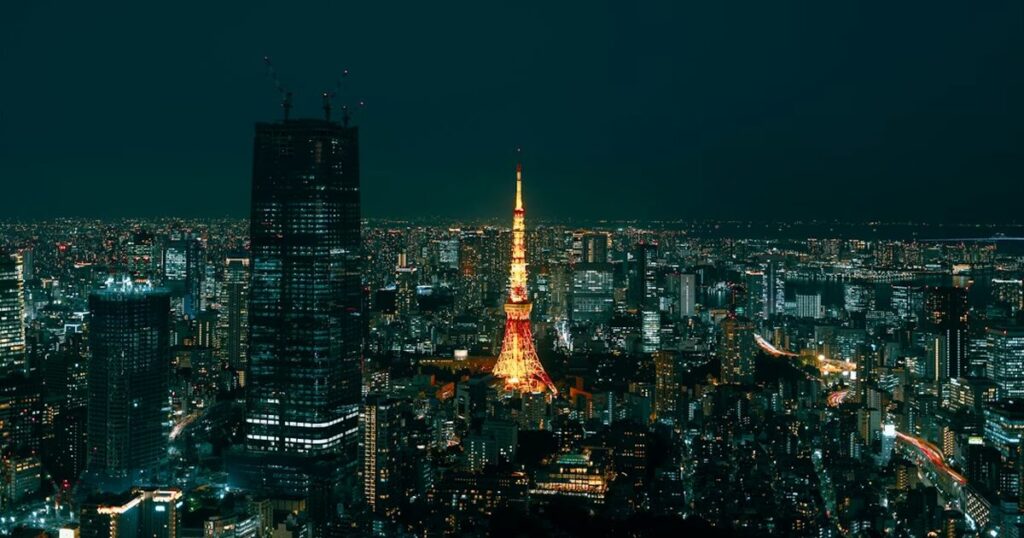
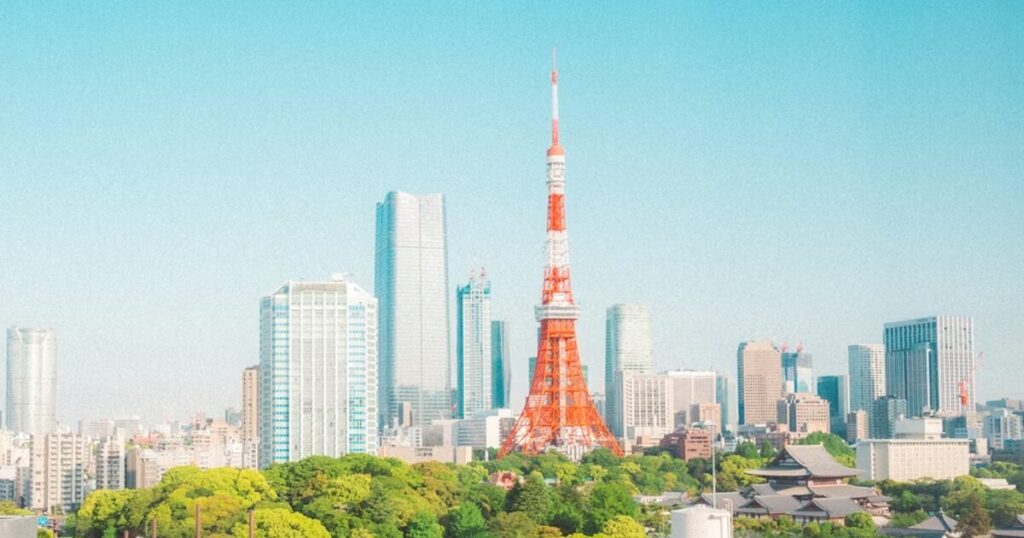
Seeing Tokyo from above is one of the best ways to understand how large the city really is. Popular viewpoints include Shibuya Sky, Tokyo Skytree, Tokyo Tower, and the Tokyo Metropolitan Government Building. For most first-time visitors, one observation deck visit is enough.
7. Spend Time in Ueno Park
Ueno Park is a great stop if you want green space, museums, and a slower pace. The area nearby also includes Ameya-Yokocho, a lively market street with a more local atmosphere.
8. Visit Akihabara
If you are interested in anime, manga, gaming, or electronics, Akihabara is worth adding to your itinerary. Even if it is not your main interest, it is still one of Tokyo’s most distinctive neighborhoods.
9. Browse a Department Store Food Hall
One of Tokyo’s simplest pleasures is exploring the food basement of a department store. These halls are beautifully presented and filled with sushi, bento, sweets, seasonal snacks, and high-quality takeaway food.
10. Leave Time for Everyday Tokyo
Not every memorable Tokyo experience comes from a major attraction. Some of the best moments happen while wandering a quiet street, stepping into a small cafe, browsing a convenience store, or discovering a local restaurant by chance.
What to Eat in Tokyo
Tokyo is one of the great food cities of the world. The best part is that you do not need to spend a fortune to eat well. Many of the city’s most satisfying meals are casual, quick, and affordable.
Foods First-Time Visitors Should Try
- Sushi
- Ramen
- Tempura
- Tonkatsu
- Yakitori
- Udon and soba
- Japanese curry
- Onigiri
- Gyoza
- Matcha desserts
Where to Eat in Tokyo
- Department store restaurant floors and food halls
- Train station dining areas
- Small ramen, soba, and curry shops
- Izakaya areas in the evening
- Convenience stores for snacks, drinks, and light breakfasts
A helpful tip for first-time visitors: many restaurants in Tokyo specialize in just one dish. That is usually a very good sign. A small shop focused entirely on ramen, tonkatsu, or soba often does that one thing exceptionally well.
Practical Tokyo Travel Tips for First-Time Visitors
A few practical habits can make your first trip to Tokyo much smoother and less stressful.
- Carry some cash. Cards are accepted more widely than before, but smaller shops and older businesses may still prefer cash.
- Get mobile internet. An eSIM or pocket Wi-Fi will make navigation much easier.
- Wear comfortable shoes. Tokyo involves a lot of walking, especially in large stations.
- Learn a few basic phrases. Even simple expressions like “Arigato gozaimasu” and “Sumimasen” are appreciated.
- Keep your voice down on trains. Public transport in Tokyo is generally quiet.
- Be mindful about eating while walking. In many areas, it is more polite to finish food near the place where you bought it.
- Carry your trash for a while if necessary. Public bins are not always easy to find.
- Do not overpack your itinerary. A realistic schedule makes Tokyo far more enjoyable.
Common Mistakes First-Time Visitors Make in Tokyo
- Trying to do too much in one day. Tokyo is best explored neighborhood by neighborhood.
- Underestimating station size. Major stations like Shinjuku and Tokyo Station are enormous and can take time to navigate.
- Booking a hotel too far from a station. Location matters more than many travelers realize.
- Focusing only on famous attractions. Some of Tokyo’s best experiences come from everyday streets and local areas.
- Not allowing time to rest. Jet lag, walking, and crowds can be tiring, especially on a first trip.
A Simple 4-Day Tokyo Itinerary for First-Time Visitors
Day 1: Asakusa and Ueno
- Visit Senso-ji Temple
- Walk through Nakamise Street
- Explore Ueno Park
- Visit a museum or browse Ameya-Yokocho
Day 2: Shibuya, Harajuku, and Meiji Shrine
- See Shibuya Crossing
- Visit Meiji Shrine
- Explore Harajuku
- Walk Omotesando
- Have dinner in Shibuya
Day 3: Shinjuku and Central Tokyo
- Visit Shinjuku Gyoen or a nearby area in the morning
- Shop around Shinjuku
- Go to an observation deck
- Explore Shinjuku at night
Day 4: Choose Your Style
- Akihabara for anime, manga, and gaming
- Ginza for shopping and a more polished atmosphere
- Odaiba for waterfront views and modern attractions
- A day trip if you want to venture outside the city
This kind of itinerary offers a strong introduction to Tokyo without making the trip feel rushed.
Is Tokyo Expensive?
Tokyo can be expensive, but it does not have to be. Your total budget depends mostly on where you stay, how much you shop, and what kind of dining experiences you want.
- Budget travelers can save money with business hotels, convenience store breakfasts, and simple local meals.
- Mid-range travelers usually find Tokyo very manageable.
- Luxury travelers will have plenty of excellent high-end hotels, restaurants, and shopping options.
One of Tokyo’s greatest strengths is that excellent quality exists at almost every price point.
Final Thoughts on Visiting Tokyo for the First Time
Tokyo is one of the best cities in the world for a first trip to Japan. It is exciting without being unmanageable, efficient without feeling cold, and endlessly interesting without requiring you to be an expert traveler.
What makes Tokyo special is not only its famous landmarks, but also the small moments in between. The contrast between traditional shrines and modern neighborhoods, the convenience of daily life, and the feeling of discovery around nearly every corner all make the city unforgettable.
For first-time visitors, the key is simple: do not try to see everything at once. Stay in a convenient neighborhood, learn the train basics, keep your plans realistic, and give yourself time to enjoy the city naturally.
Whether you are visiting for food, culture, shopping, nightlife, or simply the excitement of seeing Japan for the first time, Tokyo is a city that rewards curiosity. And for many travelers, the first visit is only the beginning.