If you are planning your first trip to Japan, learning a few basic etiquette rules can make your experience smoother, more comfortable, and far more enjoyable. Japan is known for being clean, organized, polite, and efficient, and understanding local manners helps visitors travel more confidently while showing respect for the people around them.
The good news is that you do not need to memorize every custom before you arrive. Most Japanese people understand that visitors may not know every social rule. What matters most is making an effort, paying attention to your surroundings, and avoiding behavior that causes inconvenience to others.
In this guide, you will learn the most important Japan travel etiquette rules every visitor should know. From train manners and restaurant customs to temples, shoes, and public behavior, these tips will help you avoid common mistakes and feel more prepared for your trip.
Why Japan Travel Etiquette Matters
In Japan, etiquette is often less about being formal and more about being considerate. Daily life places strong value on respect, order, cleanliness, and awareness of others. That is why public spaces tend to feel calm, lines move smoothly, and shared places stay remarkably clean.
For travelers, understanding this mindset makes many Japanese customs much easier to follow. In simple terms, one of the most useful rules to remember is this: try not to disturb or inconvenience other people.
Once you keep that idea in mind, many of the most important Japan etiquette for tourists become much more intuitive.
Quick Overview: Japan Etiquette for Tourists
| Situation | What to Do | What to Avoid |
|---|---|---|
| Trains and buses | Speak quietly, keep bags compact, give priority seats when needed | Loud calls, blocking doors, taking up too much space |
| Temples and shrines | Be respectful, follow signs, keep your voice down | Disruptive photos, entering restricted areas, acting casually in sacred spaces |
| Restaurants | Eat neatly, be polite to staff, follow house rules | Sticking chopsticks upright in rice, overusing condiments, tipping unnecessarily |
| Indoor spaces | Remove shoes where required | Wearing outdoor shoes indoors |
| Public areas | Queue properly, carry your trash, stay aware of others | Eating while walking in crowded areas, littering, blocking pathways |
Now let’s look at the 15 most important Japan travel rules visitors should know.
1. Speak Quietly in Public Spaces
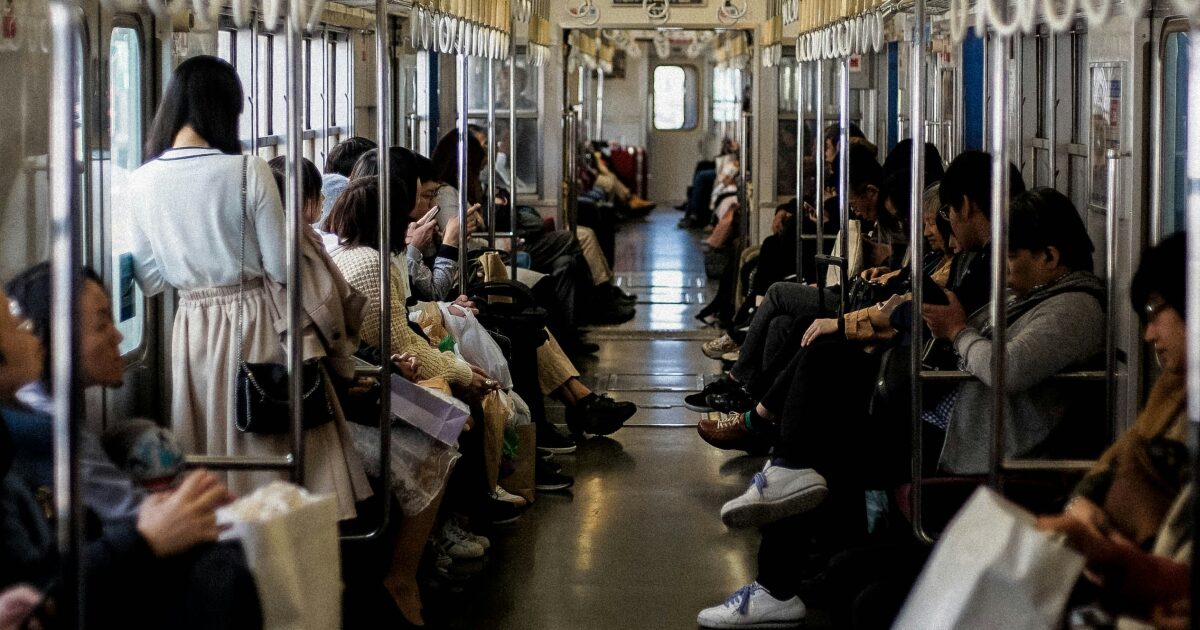
One of the first things many travelers notice in Japan is how quiet public spaces can feel. Even in major cities like Tokyo, Osaka, and Kyoto, trains, hotel lobbies, elevators, and waiting areas are often calmer than many visitors expect.
This does not mean you need to stay silent at all times. It simply means you should be aware of your volume. Loud conversations, speakerphone audio, and animated group chatter can stand out much more in Japan than in many other countries.
This is especially important in places such as:
- Trains and subways
- Buses
- Elevators
- Hotel corridors
- Waiting areas
- Temples and shrines
A simple rule works well: match the atmosphere around you. If everyone nearby is quiet, lower your voice and keep conversations brief.
2. Avoid Phone Calls on Trains
Among the best-known Japan etiquette rules is avoiding phone calls on trains and subways. You will often see signs asking passengers to keep phones on silent mode and refrain from talking on calls.
Using your phone to text, check maps, or browse the internet is completely normal. What is discouraged is speaking on the phone in a way that disturbs other passengers.
If you need to answer an urgent call, keep it short and quiet, then continue the conversation once you leave the train. This small habit makes a big difference in crowded public transport.
3. Queue Properly and Respect the Line
Japan places a strong emphasis on order, and that is especially clear when it comes to lining up. People queue neatly for trains, buses, elevators, restaurants, shops, and even popular attractions.
At train stations, you will often see markings on the platform showing exactly where to wait. Follow those markings when possible, and always wait your turn instead of moving ahead.
Good queue etiquette in Japan includes:
- Joining the back of the line
- Waiting patiently without pushing forward
- Leaving room for others to exit first
- Paying attention to signs or floor markings
If you are unsure where to stand, pause and observe what others are doing before stepping in.
4. Let People Get Off the Train Before You Board
This may seem obvious, but it is especially important in Japan, where trains run on tight schedules and stations can get extremely busy. When the train doors open, stand to the side and let passengers get off first.
Only board once people have exited. Trying to enter too early slows the flow of passengers and is considered inconsiderate. After boarding, move inward if possible rather than staying directly in front of the doors.
This is one of the simplest and most important Japan travel etiquette habits to follow.
5. Keep Your Luggage Out of the Way
Traveling with suitcases in Japan is common, but local trains and buses often have limited space. Large bags can quickly become a problem if they block aisles, doors, or seats.
To avoid causing inconvenience:
- Keep your suitcase close to you
- Do not place bags on empty seats
- Move backpacks to the front in crowded trains if needed
- Use overhead racks or luggage spaces when available
- Consider luggage delivery services for longer trips
On commuter trains, especially during rush hour, compact luggage etiquette matters a lot. Being mindful of your bags helps everyone move more comfortably.
6. Remove Your Shoes When Required
One of the most essential Japan etiquette for tourists is knowing when to take off your shoes. In Japan, outdoor shoes are removed in many indoor spaces to keep floors clean and maintain a clear boundary between outside and inside.
You may need to remove your shoes in places such as:
- Homes
- Ryokan inns
- Some temples
- Traditional restaurants
- Certain fitting rooms
- Schools, clinics, and cultural facilities
Look for signs such as a step-up entrance, shoe shelves, slippers, or other people removing their shoes. Also remember these basic points:
- Wear clean socks
- Do not step onto indoor flooring with outdoor shoes
- Use slippers if they are provided
- Do not wear toilet slippers outside the bathroom area
7. Follow Basic Chopstick Etiquette
You do not need perfect chopstick skills to eat in Japan, but there are a few important dining customs worth knowing. The most important one is this: never stick chopsticks upright into a bowl of rice. This resembles a funeral ritual and should be avoided.
Other basic chopstick etiquette includes:
- Do not point at people with chopsticks
- Do not pass food directly from chopsticks to chopsticks
- Do not wave chopsticks around while speaking
- Use the chopstick rest when available
You do not need to stress over every detail, but avoiding the most obvious mistakes will help you feel more comfortable at the table.
8. Do Not Drown Food in Soy Sauce
When trying sushi or other Japanese dishes for the first time, many travelers instinctively reach for soy sauce right away. However, in Japan, heavily seasoning food before tasting it can seem careless, especially in restaurants that take pride in preparation.
This is particularly true for sushi. In many restaurants, the chef has already balanced the flavor of each piece. Adding too much soy sauce may overpower the food and suggest that you are not appreciating it as intended.
A better approach is simple:
- Taste first when appropriate
- Use condiments lightly
- Follow the style of the restaurant
This is not about strict rules. It is about showing respect for the meal.
9. Understand Basic Restaurant Manners
Japanese restaurants range from casual noodle shops to refined kaiseki dining, but a few manners apply in many places.
Before eating
Many Japanese people say “Itadakimasu” before a meal as a way of expressing gratitude. Visitors are not expected to say it, but understanding the custom can be helpful.
During the meal
Eat neatly, avoid making unnecessary mess, and pay attention to house rules or service style. In some restaurants, you order from a vending machine. In others, staff will seat you and bring water automatically.
After eating
Many people say “Gochisosama deshita” after finishing the meal, which is a polite way to express thanks.
One important point for international visitors: tipping is generally not expected in Japan. Service is included in the experience, and leaving cash on the table may confuse staff.
10. Avoid Eating While Walking in Crowded Areas
Eating while walking is not completely forbidden in Japan, but it depends heavily on the setting. In busy streets, shopping areas, train station surroundings, and crowded tourist districts, walking while eating can be seen as inconsiderate.
Why? Because it can create spills, slow foot traffic, and make shared spaces messier. In places where street food is sold, many people eat near the stall rather than continuing to walk with food in hand.
A good rule is:
- Eat near the shop if possible
- Avoid eating while moving through crowds
- Dispose of wrappers properly
- Be especially respectful in cultural or religious areas
This is one of those Japan travel rules that becomes easier when you pay attention to context.
11. Carry Your Trash Until You Find a Bin
Japan is famous for its clean streets, but visitors are often surprised by how few public trash cans there are. That does not mean littering is acceptable. In fact, the opposite is true.
If you have rubbish, the expected behavior is simple: carry it with you until you find a proper place to dispose of it.
You may find trash bins:
- At convenience stores
- Near vending machines
- Inside train stations
- At hotels
- At attractions or food stalls
Many travelers find it helpful to carry a small bag for wrappers, tissues, and receipts during the day. It is a small habit that makes a big difference.
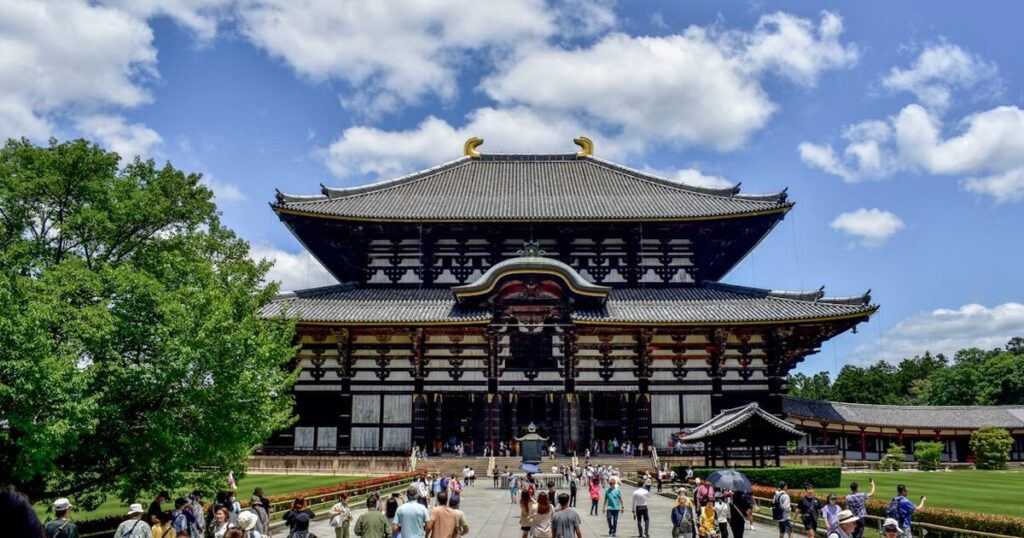
12. Be Respectful at Temples and Shrines
Temples and shrines are among the most memorable places to visit in Japan, but they are also sacred spaces. They are not just photo spots or sightseeing stops. Respectful behavior matters.
Basic etiquette includes:
- Speaking quietly
- Following posted signs
- Staying out of restricted areas
- Not interrupting people who are praying
- Taking photos only where allowed
You do not need to know every religious custom perfectly. What matters most is behaving respectfully and avoiding disruptive or careless actions.
13. Ask Before Photographing People or Private Spaces
Japan is incredibly photogenic, but that does not mean every scene should be photographed without thought. Good etiquette means respecting privacy, local rules, and personal boundaries.
Be especially careful when photographing:
- Private homes and residential neighborhoods
- Small shops with photo restrictions
- Temple interiors
- Traditional performances
- People without their permission
This is particularly important in places like Kyoto, where residents may be dealing with heavy tourism. Taking photos of geisha, maiko, or local people without consent can feel intrusive and disrespectful.
Always check for signs, and when in doubt, ask first.
14. Be Considerate on Escalators, Elevators, and Walkways
Shared public space in Japan tends to work smoothly because people stay aware of each other. Even in small everyday situations, considerate movement matters.
Helpful habits include:
- Standing neatly on escalators where appropriate
- Letting people exit elevators before entering
- Stepping aside if you need to stop and check your phone
- Keeping bags and elbows from blocking others
- Not stopping suddenly in narrow or busy pathways
Regional habits can vary, but the main point stays the same: do not block the flow of people.
15. Smoke Only in Designated Areas
Smoking etiquette in Japan can surprise some visitors. In many cities, smoking on the street while walking is restricted or banned in certain areas, even if indoor smoking rooms are available elsewhere.
If you smoke, follow local rules carefully and use designated smoking areas only. Avoid assuming that outdoor public space automatically means smoking is acceptable.
This is another example of how many Japan etiquette rules are designed to reduce inconvenience for others in shared spaces.
Common Etiquette Mistakes Tourists Make in Japan
Even respectful travelers make mistakes sometimes. Some of the most common ones include:
- Talking too loudly on trains
- Blocking train doors with luggage
- Forgetting to remove shoes indoors
- Ignoring signs at temples and shrines
- Eating while walking through crowded areas
- Taking photos where they are not allowed
- Leaving trash because there is no nearby bin
If you make a mistake, do not panic. Just adjust, be polite, and move on. Most people understand that visitors are still learning.
Do Tourists Need to Know Every Rule?
Not at all. No one expects visitors to follow every custom perfectly. What matters far more is your attitude.
Japanese people generally appreciate travelers who are:
- Polite
- Observant
- Quiet in shared spaces
- Willing to follow signs and local rules
- Respectful toward culture and daily life
You do not need to act like a local. You simply need to travel thoughtfully and show respect.
Final Tips for Following Japan Travel Etiquette
If you want to remember the basics, keep these five simple ideas in mind:
1. Observe before acting
If you are unsure what to do, look around first and follow the behavior of the people around you.
2. Follow signs
Japan often communicates rules clearly through posted signs, floor markings, and simple instructions.
3. Stay aware of shared space
Think about your voice, your bags, your movement, and whether they may be affecting others.
4. Respect the setting
Train stations, restaurants, shrines, hotels, and neighborhoods all have different expectations. Adjust accordingly.
5. Aim for respect, not perfection
You do not need flawless manners. A sincere effort goes a long way.
Final Thoughts
Understanding Japan travel etiquette is one of the easiest ways to enjoy a smoother and more respectful trip. You do not need to memorize every detail, but knowing the basics can help you avoid common mistakes and feel much more confident as you travel.
Most of the important etiquette rules in Japan come back to the same core idea: be considerate of others. Speak quietly, queue properly, respect shared spaces, follow local signs, and pay attention to the setting around you.
If you travel with that mindset, you will already be following the spirit of good etiquette in Japan.
For first-time visitors, that is more than enough.