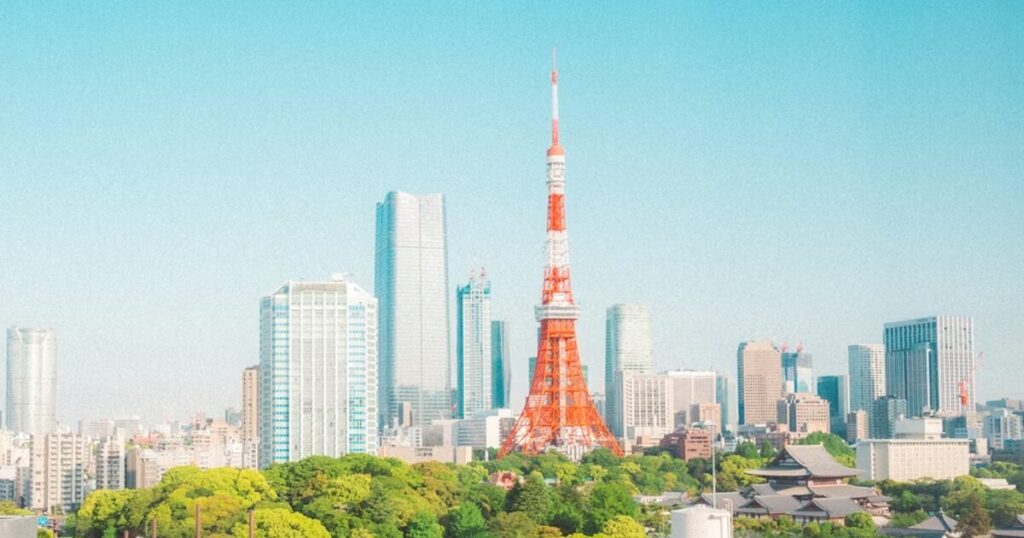
Planning your first trip to Tokyo is exciting, but deciding where to stay can feel surprisingly difficult. Tokyo is enormous, and each neighborhood offers a different experience. Some areas are perfect for shopping and nightlife, while others are better for sightseeing, family travel, or a slower, more traditional atmosphere.
The good news is that Tokyo is one of the easiest major cities in the world to explore once you choose the right base. It is safe, efficient, and connected by an excellent public transportation system. Still, where you stay can shape your trip in a major way. The right neighborhood can save time, reduce travel stress, and help you enjoy Tokyo in a way that matches your travel style.
For first-time visitors, the best areas usually offer a balance of easy train access, good hotel options, convenient food and shopping, and simple access to Tokyo’s top attractions. In this guide, you will find the best areas to stay in Tokyo for first-time visitors, along with the pros, cons, and the type of traveler each neighborhood suits best.
Quick Answer: Best Areas to Stay in Tokyo
| Area | Best For | Atmosphere | Main Advantage |
|---|---|---|---|
| Shinjuku | First-time visitors who want convenience | Busy, energetic, modern | Excellent transport connections |
| Shibuya | Shopping, nightlife, younger travelers | Trendy, lively, stylish | Great for food, entertainment, and city energy |
| Asakusa | Traditional atmosphere and slower-paced travel | Historic, relaxed, cultural | Classic Tokyo feel and good value |
| Ginza | Upscale stays, couples, shopping | Elegant, polished, central | Comfortable and refined central location |
| Ueno | Budget travelers, families, museums | Practical, local, accessible | Good value and strong transport access |
| Tokyo Station / Marunouchi | Short stays, day trips, business travel | Clean, organized, central | Easy access to trains and shinkansen |
If you want the simplest recommendation, Shinjuku is usually the best all-around area for a first trip to Tokyo. If you prefer a more traditional atmosphere, Asakusa is an excellent choice. If you want a modern, lively Tokyo experience with shopping and nightlife, Shibuya is one of the best places to stay.
How to Choose the Best Area to Stay in Tokyo
Before booking a hotel, it helps to think about what matters most on your trip. Tokyo is not the kind of city where every central neighborhood feels the same. The area you choose will influence your daily routine, your transportation time, and the overall mood of your visit.
Prioritize transportation
Tokyo is huge, and most first-time visitors want to explore several neighborhoods. Staying near a major station makes your trip much easier, especially if you plan to be out sightseeing every day.
Think about the atmosphere you want
Do you want neon lights, nightlife, and big-city energy? Or do you prefer temples, quieter streets, and a more traditional feel? Shinjuku, Shibuya, Ginza, and Asakusa all feel completely different from one another.
Be realistic about your budget
Tokyo has hotels for nearly every budget, but some neighborhoods are naturally more expensive than others. Ginza and Marunouchi tend to cost more, while Ueno and Asakusa often offer better value for money.
Choose a neighborhood that matches your travel style
The best area to stay in Tokyo is not the same for every traveler. Some visitors want easy nightlife and shopping, while others care more about quiet evenings, family-friendly surroundings, or easy day trips. Picking the right area for your trip matters more than following a generic recommendation.
1. Shinjuku: Best Overall Area for First-Time Visitors
If you are visiting Tokyo for the first time and want the most convenient place to stay, Shinjuku is often the safest and smartest choice. It is one of the city’s biggest transportation hubs, making it easy to get almost anywhere in Tokyo. Whether you want to visit Shibuya, Harajuku, Ueno, Tokyo Station, or take a train beyond central Tokyo, Shinjuku is extremely well connected.
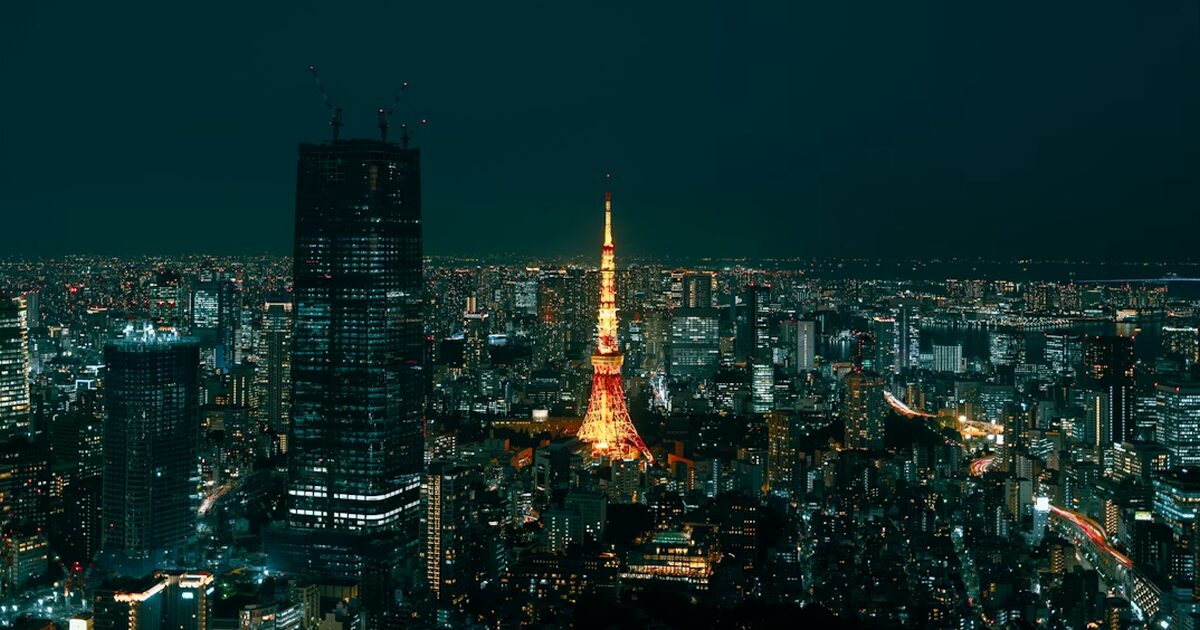
Shinjuku is also packed with hotels, restaurants, department stores, nightlife, and shopping. For many travelers, it feels like the Tokyo they imagined before arriving: bright lights, giant buildings, busy streets, and constant activity. That makes it a natural fit for first-time visitors who want a classic big-city Tokyo experience.
One of Shinjuku’s biggest strengths is flexibility. You can sightsee during the day, shop in the evening, grab dinner late, and still have easy access back to your hotel. Even if your plans change, Shinjuku makes it easy to adapt.
The main downside is that Shinjuku can feel intense. The station is enormous, the crowds can be heavy, and some parts of the area stay noisy late into the night. If you prefer quiet surroundings or a more local atmosphere, this may not be the ideal base.
- Best for: first-time visitors, couples, shoppers, nightlife lovers, travelers who want maximum convenience
- Pros: excellent transport, huge hotel selection, endless food options, easy access to major areas
- Cons: crowded, busy, sometimes confusing, some nightlife-heavy streets
Stay in Shinjuku if: you want the easiest all-around base in Tokyo and do not mind a busy, high-energy atmosphere.
2. Shibuya: Best for Modern Tokyo, Shopping, and Nightlife
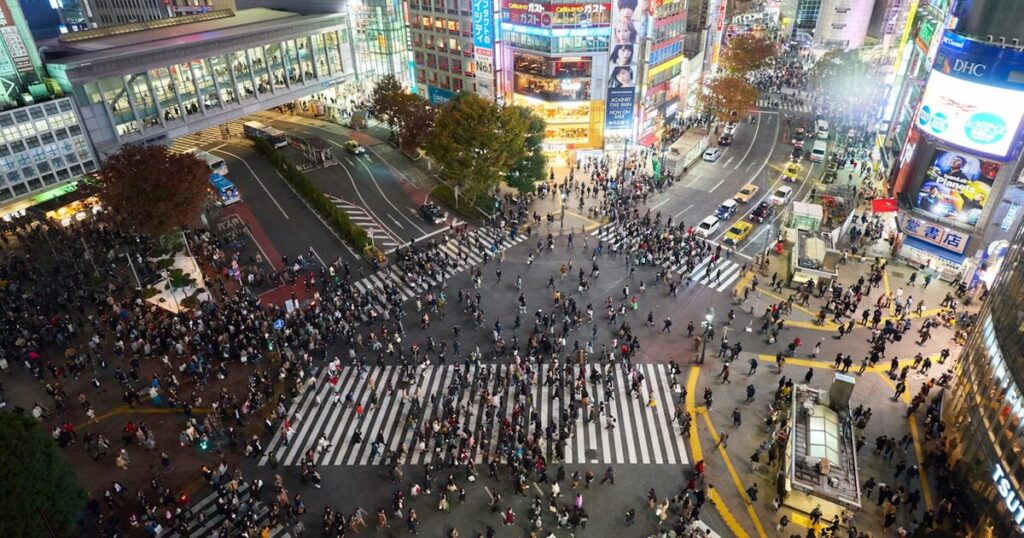
If you want to experience Tokyo’s youthful, stylish, and fast-moving side, Shibuya is one of the best places to stay. Known for Shibuya Crossing, fashion, shopping, cafés, and nightlife, it offers one of the most exciting urban atmospheres in the city.
Shibuya is especially appealing if you plan to spend time in west Tokyo neighborhoods such as Harajuku, Omotesando, Ebisu, and Daikanyama. It is also well connected by train, so getting to other major districts is still easy.
One of the biggest advantages of staying in Shibuya is that the neighborhood itself is part of the attraction. You can step out of your hotel and immediately be surrounded by restaurants, department stores, trendy shops, and nightlife. It is a great choice for travelers who enjoy walking, exploring, and staying out later in the evening.
The downside is that Shibuya can be loud, crowded, and expensive. It is not the calmest place to stay, and it may not suit travelers who want a traditional or slower-paced side of Tokyo.
- Best for: younger travelers, couples, shoppers, nightlife lovers, food-focused travelers
- Pros: exciting atmosphere, excellent shopping, strong dining scene, easy access to west Tokyo
- Cons: noisy, crowded, often pricey, less traditional in character
Stay in Shibuya if: you want a vibrant, modern Tokyo stay with shopping, dining, and nightlife at your doorstep.
3. Asakusa: Best for Traditional Atmosphere and a More Relaxed Stay
If your ideal Tokyo trip includes temples, lantern-lined streets, and a more traditional atmosphere, Asakusa is one of the best neighborhoods to choose. It feels very different from the skyscraper-heavy districts of Shinjuku and Shibuya, offering a calmer and more historic side of the city.
Asakusa is home to Senso-ji Temple, one of Tokyo’s most famous landmarks, and the surrounding streets have a warm, classic atmosphere that many first-time visitors love. It is a great place to stay if you want your Tokyo trip to feel a little more cultural and a little less overwhelming.
Another major advantage is value. Hotels in Asakusa are often more affordable than those in central west Tokyo, and it is sometimes easier to find slightly larger rooms for the price. That makes it especially attractive for budget travelers, couples, and families.
The trade-off is that Asakusa is not the most convenient base for every itinerary. It is still connected by train, but getting to western neighborhoods like Shibuya or Shinjuku takes longer. The area is also quieter at night, which can be a plus or a minus depending on your travel style.
- Best for: culture lovers, families, slower travel, budget-conscious travelers, first-timers who want traditional scenery
- Pros: historic atmosphere, calmer pace, often good hotel value, strong cultural appeal
- Cons: less convenient for some itineraries, quieter nightlife, longer travel times to west Tokyo
Stay in Asakusa if: you want a more traditional and relaxed Tokyo base with good value and cultural charm.
4. Ginza: Best for Upscale Comfort and a Refined Central Location
Ginza is one of Tokyo’s most elegant and polished neighborhoods. It is known for luxury shopping, high-end department stores, stylish cafés, and refined dining. For first-time visitors who want a central location with comfort, convenience, and a more sophisticated feel, Ginza is an excellent choice.
One of Ginza’s biggest strengths is balance. It is centrally located and easy to navigate, but it generally feels calmer and more orderly than Shinjuku or Shibuya. You get the convenience of a major Tokyo location without quite as much noise or intensity.
Ginza is especially popular with couples, upscale travelers, and visitors who want a comfortable city stay with easy access to shopping and dining. It is also close to Tokyo Station, Marunouchi, Nihombashi, and Tsukiji, which adds to its overall convenience.
The biggest drawback is price. Hotels in Ginza are usually more expensive, and the area can feel a little formal compared with neighborhoods that have more street-level energy. Travelers on a tighter budget will generally find better value elsewhere.
- Best for: couples, upscale travelers, shoppers, visitors who want a polished and central stay
- Pros: elegant atmosphere, central location, quality hotels, less chaotic than major nightlife areas
- Cons: more expensive, less nightlife energy, can feel formal for some travelers
Stay in Ginza if: you want comfort, convenience, and a more refined Tokyo atmosphere.
5. Ueno: Best for Budget Travelers, Families, and Practical Convenience
If you want a practical, well-connected, and more affordable place to stay in Tokyo, Ueno is one of the smartest choices. It may not be as flashy as Shinjuku or Shibuya, but it offers a very good balance of value, convenience, and accessibility.
Ueno is known for Ueno Park, museums, casual restaurants, and good transport access. It is especially appealing for travelers who want a comfortable base without paying premium prices for one of Tokyo’s trendiest neighborhoods.
Families often like Ueno because it feels a little easier to manage, and there are attractions nearby, including museums and the zoo. Budget travelers appreciate it because hotel prices can be more reasonable while still offering good access to the rest of the city.
The main drawback is that Ueno feels more practical than glamorous. It does not have the same iconic big-city atmosphere as Shinjuku or the stylish energy of Shibuya. Still, for many travelers, that trade-off is worth it.
- Best for: budget travelers, families, museum lovers, practical travelers
- Pros: good value, strong transport links, family-friendly attractions, easier on the budget
- Cons: less stylish, less nightlife, less iconic than some other Tokyo neighborhoods
Stay in Ueno if: you want to keep costs down while staying in a convenient and useful part of Tokyo.
6. Tokyo Station / Marunouchi: Best for Transport Convenience and Day Trips
If transportation is your top priority, Tokyo Station and Marunouchi are excellent places to stay. This area is especially useful for travelers with short stays, business trips, or plans to take day trips to other cities by shinkansen.
The neighborhood feels clean, organized, and polished. It is less about nightlife or local atmosphere and more about efficiency and convenience. From here, you can easily connect to other parts of Tokyo as well as long-distance train routes.
For first-time visitors, one of the biggest advantages is simplicity. If you are arriving by train, moving between cities, or planning side trips, staying near Tokyo Station can make your logistics much easier. You are also close to areas like Ginza and the Imperial Palace district.
The downside is that Marunouchi can feel more business-oriented than other parts of Tokyo. It is not the best choice if you want nightlife, a strongly local feel, or a more relaxed traditional atmosphere. Hotels here can also be expensive.
- Best for: short stays, business travelers, day trips, travelers who want easy rail access
- Pros: excellent train access, central location, organized environment, convenient for shinkansen travel
- Cons: expensive, less neighborhood character, quieter at night in some areas
Stay near Tokyo Station if: you want the easiest possible transport setup or plan to take day trips outside Tokyo.
Which Area in Tokyo Is Best for You?
| If You Want… | Best Area |
|---|---|
| The easiest all-around stay for a first trip | Shinjuku |
| Trendy atmosphere, shopping, and nightlife | Shibuya |
| Traditional charm and culture | Asakusa |
| Upscale comfort and shopping | Ginza |
| Better value and practicality | Ueno |
| Shinkansen access and easy day trips | Tokyo Station / Marunouchi |
If you still cannot decide, this quick rule usually works well:
- Choose Shinjuku if you want maximum convenience.
- Choose Shibuya if you want modern energy and nightlife.
- Choose Asakusa if you want traditional atmosphere and a calmer stay.
- Choose Ueno if value matters most.
- Choose Ginza if comfort and refinement are your priorities.
Tips for Booking a Hotel in Tokyo
Stay near a station, but not necessarily right next to it
Being within walking distance of a station is one of the biggest advantages in Tokyo. However, staying directly beside a major station can also mean more noise and more crowds. A hotel five to ten minutes away on foot is often a better balance.
Check room size carefully
Tokyo hotel rooms can be smaller than many international travelers expect. Always check the room size before booking, especially if you are traveling with large suitcases.
Think about the airport transfer
After a long flight, an easy transfer can make a huge difference. Before booking, check how simple it is to get from the airport to your hotel area.
Do not choose based on price alone
A cheaper hotel in a less convenient location may cost you more in time and energy. In Tokyo, paying a little more for a better base often improves the overall trip.
Book early in peak seasons
Popular areas can fill up quickly during cherry blossom season, autumn foliage season, New Year holidays, and other major travel periods. Booking early usually gives you more choice and better rates.
Areas First-Time Visitors May Want to Avoid
These areas are not bad, but they are not always the easiest choice for a first trip to Tokyo:
- Roppongi: great for nightlife, but not always the most practical base for sightseeing
- Ikebukuro: lively and useful, but can feel less intuitive for first-time visitors
- Odaiba: fun to visit, but less convenient as a main hotel base
- Far suburban areas: often cheaper, but less efficient for sightseeing
For your first visit, it is usually better to stay somewhere central and well connected rather than saving a little money by staying far from the areas you actually want to explore.
Final Thoughts: Where Should First-Time Visitors Stay in Tokyo?
Tokyo does not have one perfect neighborhood for every traveler, but it does have several excellent choices for a first visit. The best place to stay depends on the kind of trip you want.
If you want the safest all-around option, choose Shinjuku. It is convenient, well connected, and packed with everything a first-time visitor needs. If you want a more traditional atmosphere, Asakusa is a wonderful choice. If you want shopping, nightlife, and modern city energy, Shibuya is one of the best areas in Tokyo. If you prefer comfort and elegance, Ginza stands out. If you want strong value, Ueno is one of the smartest picks. And if train access matters most, Tokyo Station / Marunouchi is hard to beat.
For most first-time visitors, the goal is not to find the single “best” neighborhood in Tokyo. It is to choose the area that best matches your itinerary, budget, and travel style. Once you do that, Tokyo feels much easier to navigate and far more enjoyable to explore.
Choosing the right base can make your first Tokyo trip smoother, more comfortable, and much less overwhelming. And in a city this big, that can make all the difference.