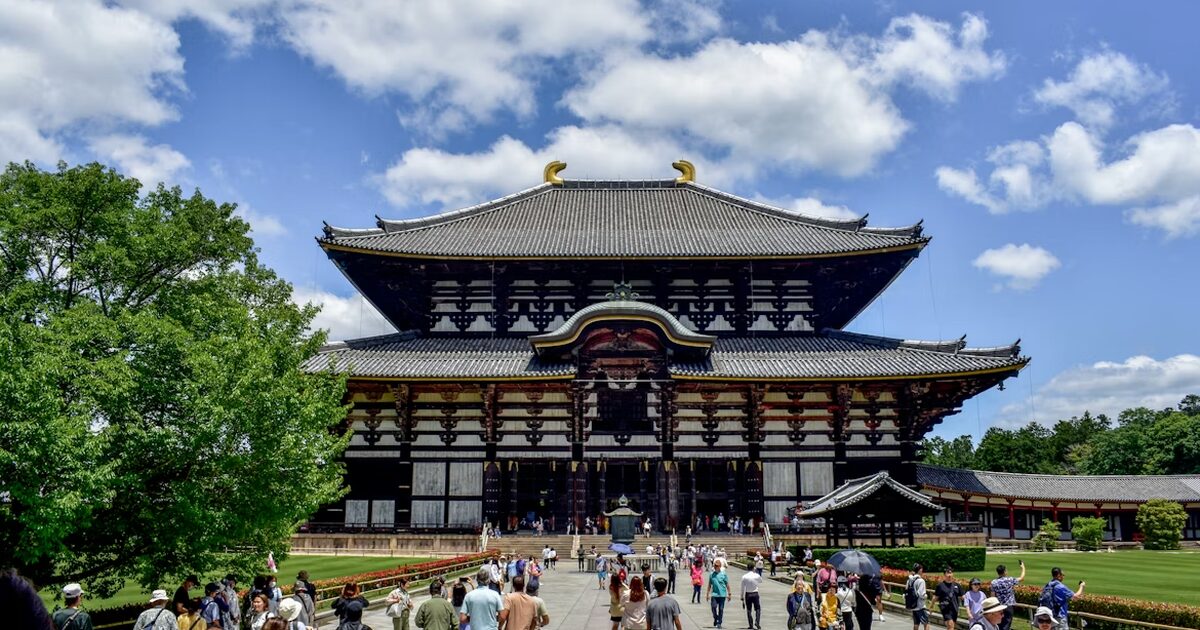
Visiting temples and shrines is one of the most memorable parts of a first trip to Japan. These sacred places are not only beautiful, but also deeply connected to the country’s history, architecture, spirituality, and everyday culture. From Kyoto’s famous vermilion torii gates to Tokyo’s peaceful shrine forests and Nara’s monumental Buddhist halls, they offer first-time travelers a meaningful introduction to Japan beyond the modern city skyline.
The challenge, however, is not finding temples and shrines in Japan. The real challenge is deciding which ones are worth visiting on a first trip. Japan has thousands of religious sites, but not all of them fit smoothly into a beginner-friendly itinerary. Some are historically important, some are visually stunning, and some stand out because they are easy to reach from the destinations most first-time travelers already plan to visit.
In this guide, you will find the best temples and shrines in Japan for first-time travelers—places that are beautiful, culturally significant, easy to visit, and memorable enough to deserve a place on your itinerary.
Why Visit Temples and Shrines in Japan?
For many travelers, temples and shrines are where Japan feels most timeless. While the country is famous for its modern cities, high-speed trains, and neon-lit entertainment districts, its religious sites reveal a quieter and more traditional side of Japanese life. They are places where travelers can appreciate wooden architecture, peaceful gardens, incense-filled halls, seasonal scenery, and customs that have been practiced for generations.
They also add balance to a trip. A busy Japan itinerary often includes shopping areas, food streets, and transportation hubs. Temples and shrines provide a different rhythm—slower, calmer, and more reflective. For first-time visitors, that contrast is often what makes the trip feel complete.
What First-Time Travelers Should Look For
When choosing which temples and shrines to visit, it helps to look beyond popularity alone. The best choices for first-time travelers usually offer a combination of the following:
- Cultural importance
- Distinctive architecture or scenery
- Easy access by train, subway, or bus
- A natural fit within a standard Japan itinerary
- A different atmosphere from the other places on your list
This last point is especially important. If every temple or shrine on your trip feels similar, the experience can start to blend together. A better strategy is to build variety into your itinerary. Try choosing one lively urban temple, one peaceful shrine, one grand historic site, and one destination known for exceptional scenery. That mix will make each visit feel more memorable.
Quick Comparison Table
| Site | Type | Area | Why It Is Great for First-Time Travelers |
|---|---|---|---|
| Sensoji | Temple | Tokyo | Easy to reach, traditional atmosphere, iconic gate, lively shopping street |
| Meiji Jingu | Shrine | Tokyo | Peaceful forest setting in central Tokyo |
| Fushimi Inari Taisha | Shrine | Kyoto | Famous torii gate tunnels and unforgettable atmosphere |
| Kiyomizudera | Temple | Kyoto | Classic Kyoto views and historic surroundings |
| Kinkakuji | Temple | Kyoto | Iconic golden pavilion and one of Kyoto’s best-known landmarks |
| Todaiji | Temple | Nara | Massive Buddha statue and impressive wooden hall |
| Kotoku-in | Temple | Kamakura | Easy Tokyo day trip and iconic outdoor Great Buddha |
| Hasedera | Temple | Kamakura | Scenic hillside setting, gardens, and a calmer atmosphere |
| Nikko Toshogu | Shrine | Nikko | Richly decorated buildings and strong historical appeal |
| Itsukushima Shrine | Shrine | Miyajima | Famous floating torii gate and stunning island scenery |
1. Sensoji Temple, Tokyo
If you only have time for one temple in Tokyo, Sensoji is one of the best places to start. Located in Asakusa, it is Tokyo’s oldest temple and one of the city’s most famous traditional landmarks. For first-time visitors, it offers everything people often imagine when they think of historic Tokyo: a dramatic entrance gate, incense drifting through the air, a grand main hall, and a lively approach lined with shops and snacks.
What makes Sensoji especially appealing is that it offers more than just a temple building. The walk through Nakamise Street, the sight of the massive Kaminarimon Gate, and the surrounding Asakusa neighborhood all create a complete cultural experience. Even travelers with limited interest in religion often enjoy Sensoji because it is visually impressive, easy to navigate, and full of energy.
It is also an excellent place for first-time visitors to experience familiar temple customs, such as incense burners, prayer areas, and omikuji fortune slips. Because the site feels welcoming and accessible, it makes a very good first temple visit in Japan.
Best for: first-time visitors to Tokyo, traditional atmosphere, easy sightseeing, and food-and-culture walks.
2. Meiji Jingu Shrine, Tokyo
Meiji Jingu offers a completely different experience from Sensoji. While Sensoji is lively and busy, Meiji Jingu feels spacious, quiet, and calm. Located next to Harajuku and Yoyogi, this major shrine is set within a large forested park, making it one of the most peaceful places to visit in central Tokyo.
For first-time travelers, Meiji Jingu is one of the easiest shrines to enjoy. The approach through the tall trees creates a strong sense of arrival, and the shrine grounds feel open and relaxing rather than overwhelming. It is also a very convenient addition to a Tokyo itinerary, especially if you are already planning to explore Harajuku, Omotesando, or Shibuya.
This is a great choice for travelers who want to experience a Shinto shrine in a setting that feels serene and distinctly different from the surrounding city. It is simple, elegant, and memorable in a very understated way.
Best for: peaceful sightseeing in Tokyo, first shrine visits, and travelers who want a quiet cultural stop between busy city districts.
3. Fushimi Inari Taisha, Kyoto
No list of the best shrines in Japan for first-time travelers would be complete without Fushimi Inari Taisha. Famous for its thousands of bright vermilion torii gates, this Kyoto shrine is one of the most iconic places in the country.
For many travelers, this is the shrine they have seen in photos long before they book a flight to Japan. Fortunately, it is just as impressive in person. Walking beneath the torii tunnels creates a sense of movement and atmosphere that feels unique even in a country filled with beautiful religious sites.
Another reason Fushimi Inari works so well for first-time travelers is its flexibility. You do not need to complete the entire mountain walk to enjoy the experience. Even a shorter visit offers stunning views, memorable photos, and a real sense of place. If possible, visiting early in the morning can make the experience feel even more special.
Best for: iconic Kyoto scenery, unforgettable photos, and travelers who enjoy scenic walks.
4. Kiyomizudera Temple, Kyoto
If you want a temple that captures the atmosphere of Kyoto, Kiyomizudera is one of the best choices. Set on the hills of eastern Kyoto, it is famous for its large wooden stage and sweeping views across the city. It is also surrounded by some of Kyoto’s most attractive historic streets, which makes the visit feel immersive from beginning to end.
What makes Kiyomizudera especially rewarding for first-time travelers is the entire approach to the temple. The walk through the Higashiyama district, with its traditional shops, narrow lanes, and old wooden buildings, adds depth and charm to the experience. It feels like much more than a quick sightseeing stop.
Kiyomizudera is a great place to appreciate both Kyoto’s architecture and its setting. It is scenic, elegant, and unmistakably Japanese—exactly the kind of place many first-time travelers hope to find.
Best for: classic Kyoto views, traditional streets, and travelers looking for a complete historic Kyoto experience.
5. Kinkakuji Temple, Kyoto
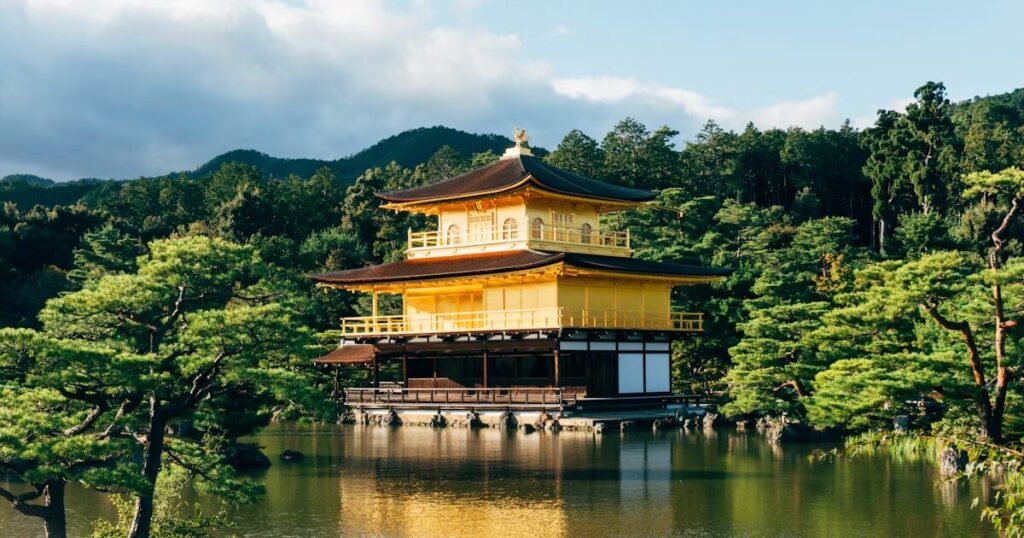
Kinkakuji, also known as the Golden Pavilion, is one of the most famous temples in Japan—and for good reason. The gold-covered structure reflected in the surrounding pond creates one of the most recognizable views in Kyoto.
For first-time travelers, Kinkakuji is worth visiting because it offers immediate visual impact. Some temples are appreciated most for their atmosphere or historical meaning, but Kinkakuji is instantly striking. Even visitors with a short attention span for sightseeing tend to remember it clearly.
It also adds variety to a Kyoto itinerary. If Kiyomizudera is about setting and atmosphere, Kinkakuji is about architectural beauty and one unforgettable scene. It may be one of the city’s busiest attractions, but it remains one of the easiest temples to appreciate on a first trip.
Best for: landmark photography, short but memorable sightseeing stops, and travelers who want to see one of Kyoto’s most iconic views.
6. Todaiji Temple, Nara
If you are planning a day trip from Kyoto or Osaka, Todaiji in Nara is one of the most rewarding temple visits in Japan. Home to the famous Great Buddha, this temple is monumental in both scale and cultural significance.
For many first-time visitors, Todaiji is a genuine surprise. The massive wooden hall is impressive enough on its own, but the giant Buddha statue inside gives the temple a sense of grandeur that is difficult to match elsewhere. It feels like one of those places that truly lives up to its reputation.
Todaiji is also part of what makes Nara so appealing. The surrounding park, the relaxed atmosphere, and the famous deer create a day trip that feels very different from both Tokyo and Kyoto. If your itinerary allows for one classic cultural side trip, Nara is one of the strongest options.
Best for: first-time Nara day trips, major historical sights, and travelers who want to see one of Japan’s most impressive temple interiors.
7. Kotoku-in and the Great Buddha, Kamakura
For travelers staying in Tokyo, Kamakura is one of the easiest and most enjoyable day trips, and Kotoku-in is one of its most famous highlights. The temple is best known for its large outdoor bronze Great Buddha, which has become one of the most iconic images in the Tokyo area.
This site works particularly well for first-time travelers because it is easy to appreciate immediately. You do not need to know detailed religious history to understand why it is special. The scale, simplicity, and open-air setting make it both accessible and memorable.
Kotoku-in is also a good choice for travelers who want to experience a historic destination without committing to a long journey. Kamakura feels manageable, scenic, and culturally rich, making it ideal for a relaxed side trip.
Best for: Tokyo day trips, travelers with limited time, and anyone who wants to see an iconic Buddhist landmark outside the city.
8. Hasedera Temple, Kamakura
Also in Kamakura, Hasedera offers a quieter and more scenic experience. Known for its gardens, hillside paths, and large statue of Kannon, it is one of the most pleasant temples to visit if you prefer a slower pace.
For first-time travelers, Hasedera often becomes an unexpected favorite because it feels less crowded and less intense than some of the country’s bigger temple sites. Instead, it offers beauty in a gentler form: seasonal flowers, peaceful corners, and elevated views that give the visit a calm and reflective quality.
When paired with Kotoku-in, Hasedera creates an excellent Kamakura itinerary. Together, they offer both a dramatic iconic landmark and a more intimate temple experience.
Best for: relaxed sightseeing, scenic temple grounds, couples, and travelers who enjoy gardens and quieter places.
9. Nikko Toshogu Shrine, Nikko
If you want to add one major shrine beyond Tokyo, Kyoto, and Nara, Nikko Toshogu is one of the best options. Dedicated to Tokugawa Ieyasu, the founder of the Tokugawa shogunate, this shrine is famous for its richly decorated buildings and lavish detail.
What makes Nikko Toshogu stand out is how different it feels from the simpler aesthetic many travelers associate with Japanese religious architecture. It is ornate, colorful, and full of intricate carvings, giving it a dramatic and distinctive personality.
For first-time travelers, Nikko is appealing because it adds a different historical and visual dimension to the trip. It feels grand, important, and visually rich in a way that complements the more understated beauty of Kyoto and Tokyo’s shrines.
Best for: history lovers, architecture enthusiasts, and travelers who want a more elaborate shrine experience on a Tokyo side trip.
10. Itsukushima Shrine, Miyajima
Itsukushima Shrine on Miyajima Island is one of the most scenic shrine destinations in Japan. Famous for its offshore floating torii gate, it offers a setting unlike anywhere else on this list.
For first-time travelers, the appeal of Itsukushima lies not only in the shrine itself, but in the entire experience of getting there. Arriving by ferry, seeing the island landscape, and approaching the shrine with the sea and mountains around you makes the visit feel almost dreamlike.
It is slightly farther from the standard first-time route than places in Tokyo, Kyoto, or Nara, but it is absolutely worth considering if your trip includes Hiroshima. If you want one shrine visit that feels especially scenic and unforgettable, this is one of the strongest choices in Japan.
Best for: Hiroshima side trips, scenic travel photography, and travelers looking for one truly unforgettable shrine setting.
How Many Temples and Shrines Should You Visit on a First Trip?
One of the most common mistakes first-time travelers make is trying to visit too many temples and shrines in a short period. While Japan has no shortage of beautiful sites, seeing too many too quickly can make the experience feel repetitive.
For most travelers, five to seven major temple or shrine visits over the course of a first trip is a very good number. That is usually enough to appreciate the variety without turning every day into the same kind of sightseeing.
A balanced first-time itinerary might look like this:
- Tokyo: Sensoji and Meiji Jingu
- Kyoto: Fushimi Inari, Kiyomizudera, and Kinkakuji
- Nara day trip: Todaiji
- Optional side trip: Kamakura, Nikko, or Miyajima
This combination gives you a good mix of city temples, forest shrines, grand historic sites, and scenic destinations.
Simple Temple and Shrine Etiquette for First-Time Visitors
You do not need to know every rule before visiting a temple or shrine in Japan, but a few basic etiquette tips will help you feel more comfortable and respectful.
- Keep your voice low, especially near worship areas.
- Do not block entrances or pathways while taking photos.
- Check for photography rules, as some buildings do not allow interior photos.
- Observe before participating if you are unsure how to use a purification fountain or prayer area.
- Dress neatly and behave respectfully, even at very busy tourist sites.
The most important thing is not perfect ritual knowledge, but a respectful attitude. Temples and shrines are active spiritual spaces, and visitors who behave thoughtfully are always welcome.
Final Thoughts
The best temples and shrines in Japan for first-time travelers are the ones that show the country’s cultural variety while fitting naturally into a practical itinerary. Sensoji introduces the energy of traditional Tokyo. Meiji Jingu offers calm in the heart of the capital. Fushimi Inari, Kiyomizudera, and Kinkakuji capture different sides of Kyoto. Todaiji delivers scale and historical importance. Kamakura offers easy day-trip temple experiences. Nikko Toshogu adds ornate historical grandeur, and Itsukushima Shrine provides one of the most beautiful shrine settings in the country.
If this is your first trip to Japan, there is no need to see everything. Choosing a handful of outstanding temples and shrines—and visiting them at a relaxed pace—will usually create a far more memorable experience than rushing through a long checklist. In Japan, the quiet atmosphere, the setting, and the feeling of being there often matter just as much as the landmark itself.