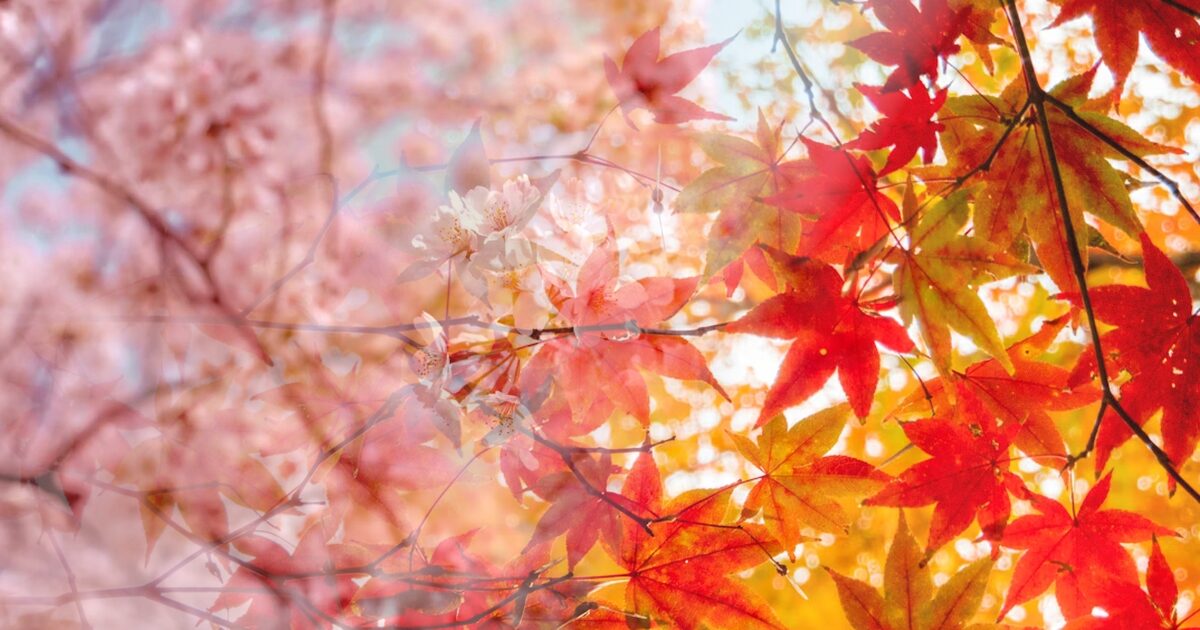
If you are wondering about the best time to visit Japan, the answer depends on the kind of trip you want. Japan is a year-round destination, and each season offers something completely different. Some travelers want to see cherry blossoms in spring, while others prefer colorful autumn leaves, summer festivals, or snowy winter scenery and hot springs.
That is one of the reasons Japan is such a rewarding place to visit. The country changes dramatically throughout the year, and the timing of your trip can shape everything from the landscapes you see to the clothes you pack, the crowds you deal with, and even how much you spend.
For first-time visitors, choosing when to visit Japan can feel surprisingly difficult. Spring is famous for sakura, but it is also one of the busiest seasons. Summer is lively and full of festivals, but it can be hot and humid. Autumn is known for beautiful foliage and comfortable weather, while winter offers snow, ski resorts, and relaxing onsen experiences.
In this guide, we will look at Japan season by season so you can decide which time of year best fits your travel style. We will cover weather, crowds, costs, seasonal highlights, and the best reasons to visit in spring, summer, autumn, and winter.
By the end, you will have a much clearer idea of the best season to visit Japan for your own trip.
Quick Answer: What Is the Best Time to Visit Japan?
For most travelers, the best time to visit Japan is either spring (March to May) or autumn (October to November). These seasons usually offer the most comfortable weather, beautiful scenery, and excellent sightseeing conditions.
That said, summer and winter also have strong advantages depending on your priorities. If you love festivals, beaches, and mountain escapes, summer may be a great fit. If you want fewer crowds, winter scenery, skiing, or hot spring trips, winter can be an excellent choice.
| Season | Best For | Main Advantages | Main Drawbacks |
|---|---|---|---|
| Spring (March to May) | Cherry blossoms, first-time trips, mild weather | Beautiful scenery, pleasant temperatures, classic Japan experience | High prices, larger crowds |
| Summer (June to August) | Festivals, hiking, beaches, seasonal energy | Fireworks, matsuri, mountain travel, lively atmosphere | Heat, humidity, rainy season in early summer |
| Autumn (September to November) | Fall foliage, photography, comfortable sightseeing | Cooler weather, scenic landscapes, great walking conditions | Popular foliage spots can still be crowded |
| Winter (December to February) | Skiing, snow, hot springs, lower-cost travel | Fewer tourists, winter scenery, good value in many cities | Cold weather, shorter daylight hours |
If you want the safest overall choice, spring and autumn are usually the easiest seasons to recommend. But the right answer depends on whether you care most about scenery, comfort, budget, or seasonal experiences.
Spring in Japan (March to May)
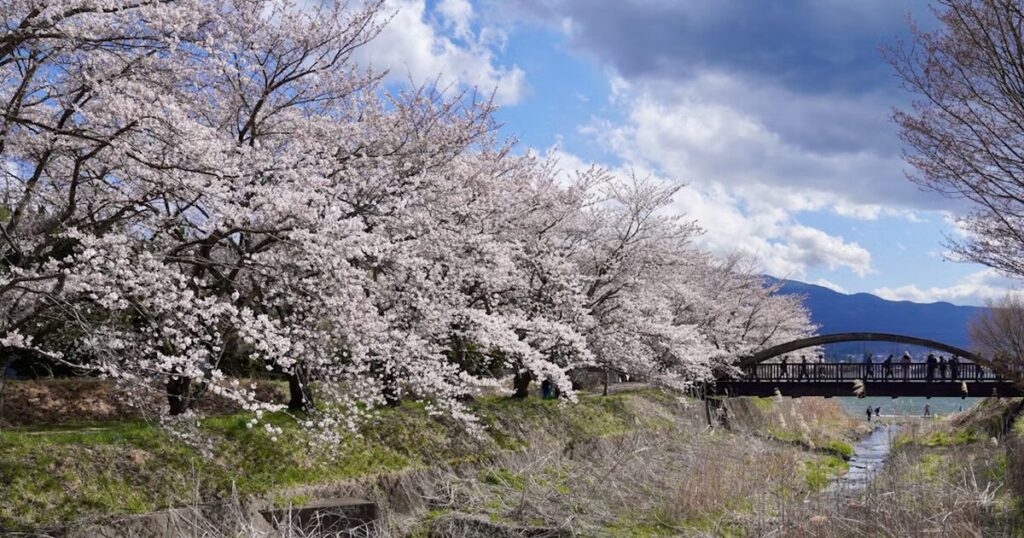
Spring is often considered the most iconic season in Japan. It is the time of year most closely associated with cherry blossoms, fresh greenery, and comfortable weather. For many travelers, especially first-time visitors, spring delivers the image of Japan they have always imagined.
Why Visit Japan in Spring?
Spring combines mild temperatures with some of the country’s most beautiful seasonal scenery. Parks, riverbanks, temple grounds, and city streets begin to feel fresh and colorful after winter. It is an especially enjoyable season for walking, sightseeing, and photography.
During this time, many people gather for hanami, or cherry blossom viewing. This gives cities and parks a festive but still elegant atmosphere that feels uniquely Japanese.
Weather in Spring
Spring weather in Japan is generally mild and pleasant. March can still be chilly in some areas, especially in the mornings and evenings, but temperatures usually rise through April and May. Light layers, a jacket, and comfortable walking shoes are usually enough for most travelers.
Spring Highlights
- Cherry blossom season in many major destinations
- Comfortable weather for city sightseeing
- Beautiful temple gardens and urban parks
- Seasonal desserts, spring menus, and fresh scenery
Things to Keep in Mind
Spring is one of the most popular times to visit Japan, so it often comes with higher hotel prices and heavier crowds. Peak cherry blossom periods can be especially busy in places like Tokyo, Kyoto, and Osaka. Golden Week, which falls in late April to early May, is another major domestic holiday period that can make travel more crowded and expensive.
Best Places to Visit in Spring
- Tokyo for famous parks, riverside blossoms, and city energy
- Kyoto for traditional streets, temples, and spring scenery
- Osaka for casual city travel and food culture
- Nara for parks, temples, and a slower pace
- Hokkaido for later cherry blossom timing
Who Spring Is Best For
Spring is ideal for travelers who want to see cherry blossoms, enjoy mild weather, and experience Japan at its most famous and photogenic.
Summer in Japan (June to August)
Summer is one of the most energetic times of year in Japan. It is the season of fireworks, festivals, mountain trips, and long daylight hours. It is also the hottest and most humid season in much of the country, which makes it a better fit for some travelers than others.
Why Visit Japan in Summer?
If you want to experience the livelier side of Japanese culture, summer has a lot to offer. Local festivals, street food stalls, lantern displays, and fireworks events create a memorable atmosphere. Summer is also a good time to explore destinations that are cooler than the major cities, including Hokkaido, mountain regions, and beach areas.
For travelers who enjoy a more active trip, summer can also be great for hiking and outdoor adventures.
Weather in Summer
Summer in Japan usually starts with the rainy season in many regions, often around June. After that, July and August are typically hot and humid, especially in cities such as Tokyo, Kyoto, and Osaka. Midday sightseeing can feel tiring in urban areas, so it helps to plan breaks, stay hydrated, and avoid overloading your schedule.
Summer Highlights
- Fireworks festivals and traditional summer matsuri
- Seasonal foods such as kakigori and cold noodles
- Mountain travel in Nagano and the Japanese Alps
- Beach trips in Okinawa and other coastal areas
- Mount Fuji climbing season
Things to Keep in Mind
The biggest challenge of summer travel in Japan is the heat. Humidity can make sightseeing feel more exhausting than expected, especially for travelers coming from cooler climates. Early summer can also be wet because of the rainy season.
That said, summer can still be a great time to visit if you focus on the right destinations and build your itinerary around the weather.
Best Places to Visit in Summer
- Hokkaido for cooler temperatures and nature
- Nagano for mountain scenery and hiking
- Fuji area for outdoor travel and summer climbing season
- Okinawa for beach vacations
- Tohoku for regional festivals and less typical summer routes
Who Summer Is Best For
Summer is best for travelers who love festivals, seasonal energy, beaches, mountains, and a lively atmosphere, and who do not mind heat and humidity.
Autumn in Japan (September to November)
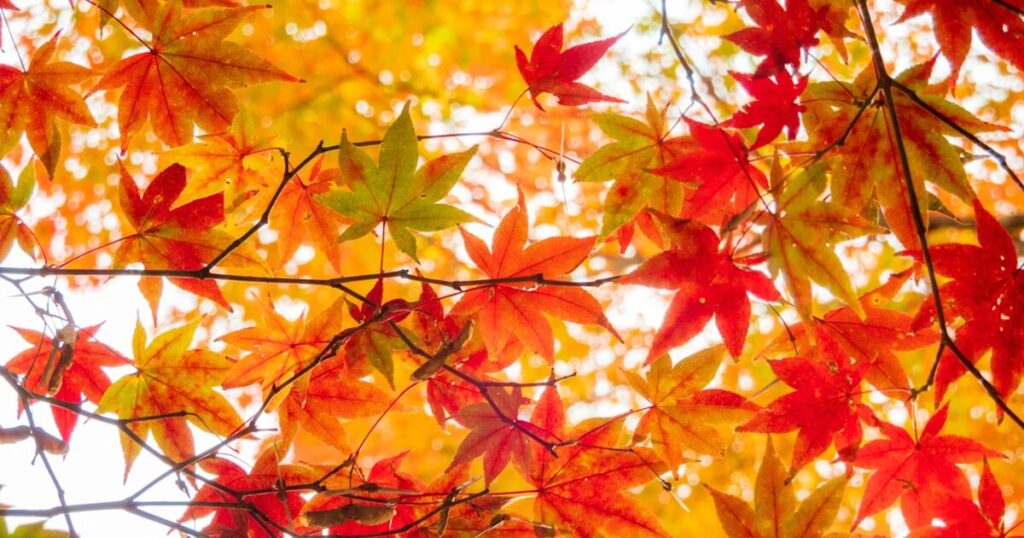
Autumn is one of the best times to visit Japan if you want comfortable weather and beautiful scenery without the intense focus on cherry blossoms. For many travelers, it is the most balanced season of all.
Why Visit Japan in Autumn?
Autumn brings cooler air, clearer skies, and colorful foliage across much of the country. It is a particularly good season for long walking days, scenic train journeys, and exploring temples, gardens, and historic districts. If spring feels a little too crowded or expensive, autumn is often the next best choice.
Weather in Autumn
September can still be warm in some areas, but the weather usually becomes much more comfortable in October and November. In many parts of Japan, this is one of the best times of year for sightseeing, with lower humidity and crisp, pleasant air.
Autumn Highlights
- Autumn foliage in parks, mountains, and temple gardens
- Comfortable temperatures for walking and sightseeing
- Seasonal foods such as mushrooms, chestnuts, and sweet potatoes
- Beautiful countryside and scenic rail travel
Things to Keep in Mind
Autumn is popular for good reason, so some famous foliage destinations can still get crowded. Kyoto, Nikko, and other scenic areas are especially busy during peak leaf season. Prices may also rise in late October and November in high-demand destinations.
Best Places to Visit in Autumn
- Kyoto for temple gardens and traditional scenery
- Nikko for nature and fall colors near Tokyo
- Hakone for mountain views and onsen stays
- Tohoku for early and dramatic autumn landscapes
- Hokkaido for some of the earliest foliage in Japan
Who Autumn Is Best For
Autumn is ideal for travelers who want beautiful landscapes, comfortable weather, and an easy season for sightseeing across multiple destinations.
Winter in Japan (December to February)
Winter is often overlooked by first-time visitors, but it can be one of the most rewarding times to travel in Japan. The country takes on a quieter, more atmospheric feel, and the season brings snowy landscapes, hot springs, winter foods, and some of the best ski conditions in the world.
Why Visit Japan in Winter?
Winter is perfect for travelers who enjoy snow scenery, cozy seasonal travel, and fewer crowds in many cities. It is also a great time for onsen trips, especially when paired with cold outdoor air and scenic mountain views. In northern Japan and major ski regions, winter becomes the main attraction rather than an inconvenience.
Weather in Winter
Winter weather varies greatly by region. Tokyo, Kyoto, and Osaka are usually cold but manageable, with many clear days. In contrast, Hokkaido and mountain areas can see heavy snowfall and much colder temperatures. This makes winter travel in Japan highly flexible depending on whether you want cities, hot springs, or snow resorts.
Winter Highlights
- Skiing and snowboarding in Hokkaido and Nagano
- Onsen stays in scenic cold-weather destinations
- Snow-covered towns, temples, and landscapes
- Winter illuminations in major cities
- Comforting seasonal dishes such as nabe and ramen
Things to Keep in Mind
Winter is not the best choice if you want mild weather and long daylight hours. In snowy regions, transportation can occasionally be affected by winter conditions. You will also need to pack properly for the cold, especially if you are heading north or into the mountains.
Best Places to Visit in Winter
- Hokkaido for snow, winter scenery, and ski resorts
- Nagano for mountain towns and hot springs
- Hakone for easy onsen trips from Tokyo
- Tokyo for city travel with fewer crowds
- Kyoto for a quieter and more atmospheric visit
Who Winter Is Best For
Winter is best for travelers who want snow, skiing, hot springs, lower city crowds, or a quieter and more seasonal side of Japan.
Best Time to Visit Japan by Travel Style
The best season is easier to choose once you think about what kind of trip you actually want.
Best for First-Time Visitors
Spring or autumn. These seasons offer the most comfortable weather and the easiest sightseeing conditions.
Best for Cherry Blossoms
Late March to early April in many popular regions, although exact timing changes by year and location.
Best for Autumn Leaves
October to November. This is the best period for colorful foliage and comfortable weather.
Best for Festivals
July to August. Summer is the peak season for fireworks festivals and traditional matsuri.
Best for Skiing and Snow
December to February. Winter is best for snow sports and classic onsen-and-snow scenery.
Best for Budget Travelers
Winter or shoulder seasons. Outside holiday periods and major ski destinations, winter often offers better hotel prices and fewer crowds.
Best for Comfortable Weather
April, May, October, and November. These months are often the most pleasant for general sightseeing.
What Is the Best Month to Visit Japan?
If you are looking for one especially strong month, November is one of the best choices. It often combines comfortable weather, beautiful fall colors, and great sightseeing conditions across many parts of the country.
April is another top option because of spring beauty and cherry blossom season, although it can also be more expensive and crowded.
Here is a simple way to think about it:
- Choose April for cherry blossoms and a classic first-time Japan trip
- Choose November for autumn colors and comfortable sightseeing
- Choose February for winter scenery, snow travel, and lower crowds in many cities
- Choose July or August for festivals and summer atmosphere
How to Choose the Right Season for Your Trip
1. Think about your top priority
Are you most interested in scenery, weather, festivals, budget, or seasonal food? Your answer will usually point you toward the best season.
2. Match the season to your destinations
Spring and autumn work well almost everywhere, while summer is often better for Hokkaido, mountains, and beaches. Winter is ideal for ski regions and hot spring towns.
3. Consider crowds and costs
Cherry blossom season, Golden Week, peak autumn foliage periods, and year-end holiday travel can all increase prices and reduce hotel availability.
4. Be realistic about the weather
Japan’s summer humidity can feel more intense than many travelers expect, and winter in northern regions can be much colder than city-based visitors assume.
5. Book early for popular seasons
If you plan to visit during sakura season or peak autumn foliage, booking flights and hotels early can make a big difference.
FAQ: Best Time to Visit Japan
- Is spring the best time to visit Japan?
-
Spring is one of the most popular times to visit Japan because of cherry blossoms, fresh scenery, and mild weather. It is an excellent season, especially for first-time visitors, but it is also one of the busiest.
- Is autumn better than spring in Japan?
-
For many travelers, autumn is just as attractive as spring. It offers beautiful scenery, cooler weather, and often slightly less pressure around cherry blossom timing.
- Is summer a bad time to visit Japan?
-
Not at all. Summer can be hot and humid, but it is also a great season for festivals, fireworks, beaches, and mountain travel. It depends on your priorities and heat tolerance.
- Is winter a good time to visit Japan?
-
Yes. Winter is excellent for skiing, hot springs, snowy scenery, and quieter city travel. It is one of Japan’s most underrated travel seasons.
- What is the cheapest time to visit Japan?
-
Winter is often one of the more affordable times to visit, especially outside the New Year period and major ski destinations. Shoulder seasons can also offer good value.
- What is the best time to visit Japan for first-time travelers?
-
Spring and autumn are usually the easiest choices for first-time visitors because they offer comfortable weather, great scenery, and reliable sightseeing conditions.
Final Thoughts
The best time to visit Japan depends on what kind of experience you want. Spring is ideal for cherry blossoms and classic first-time travel. Summer is best for festivals, beaches, and mountain adventures. Autumn offers some of the most comfortable weather and beautiful scenery of the year. Winter is perfect for snow, hot springs, and a quieter side of Japan.
There is no single perfect season for every traveler. The real key is choosing the season that matches your interests, budget, and travel style.
If you are planning your first trip, spring and autumn are usually the safest choices. But if you want something more specific, such as skiing, fireworks festivals, or lower prices, summer and winter may be even better.
No matter when you go, Japan offers a memorable experience in every season.