Planning your first trip to Japan can feel exciting, inspiring, and a little overwhelming at the same time. Japan is one of the most rewarding countries in the world to visit, but it also has its own customs, transportation systems, etiquette, and daily rhythm. For many first-time visitors, the hardest part is not deciding whether to go, but understanding how to prepare well.
The good news is that Japan is much easier to travel than many people expect. It is clean, safe, organized, and surprisingly convenient once you understand the basics. Trains are efficient, major cities are well connected, convenience stores are everywhere, and travelers can enjoy everything from neon-lit city neighborhoods to peaceful temples, mountain towns, and unforgettable food.
This first-time Japan travel guide covers the essentials every beginner should know before visiting. From the best time to go and where to stay to transportation, etiquette, budgeting, and practical travel tips, this guide will help you plan your trip with confidence.
If this is your first time in Japan, this is the place to start.
Why Japan Is So Popular With First-Time Visitors
Japan has a rare mix of qualities that make it especially appealing for first-time international travelers. It feels exciting and different, yet also reliable and easy to navigate. Many visitors are surprised by how comfortable the experience becomes after the first day or two.
Here are a few reasons why Japan is such a great destination for first-time visitors:
- It is extremely safe compared with many other major travel destinations.
- Public transportation is excellent, especially in cities like Tokyo, Osaka, and Kyoto.
- The country is clean and orderly, which makes travel less stressful.
- Food quality is consistently high, even at casual restaurants and convenience stores.
- There is a huge variety of experiences, from traditional shrines and hot springs to anime districts and modern skylines.
At the same time, Japan can feel confusing at first because some systems may be unfamiliar. Train stations can be huge, hotel rooms can be compact, and social expectations are often more subtle than in many Western countries. That is exactly why a little preparation goes a long way.
Best Time to Visit Japan for First-Time Travelers
Japan is a year-round destination, but the best time to visit depends on what you want from your trip. Weather, crowds, prices, and seasonal scenery can vary a lot throughout the year.
Quick Seasonal Overview
| Season | Best For | Things to Know |
|---|---|---|
| Spring (March to May) | Cherry blossoms, mild weather | Beautiful but crowded and often more expensive during peak bloom |
| Summer (June to August) | Festivals, fireworks, hiking | Hot and humid; June is usually part of the rainy season |
| Autumn (September to November) | Fall colors, comfortable weather | One of the best overall seasons for sightseeing |
| Winter (December to February) | Snow, hot springs, skiing, fewer crowds | Cold, but often sunny and good value outside holiday periods |
Spring
Spring is one of the most popular times to visit Japan. Cherry blossom season attracts large numbers of domestic and international travelers, especially in Tokyo, Kyoto, and Osaka. The weather is usually pleasant, and parks and streets can look beautiful during sakura season. However, hotel prices often rise during peak bloom periods.
Summer
Summer brings lively festivals, fireworks, and long daylight hours. It is a great time for mountain areas and regional travel, but major cities can be very hot and humid. If you are sensitive to heat, summer sightseeing can feel tiring.
Autumn
Autumn is often the sweet spot for many travelers. Temperatures are comfortable, skies are often clear, and fall foliage adds beauty across the country. It is one of the best seasons for city sightseeing, cultural travel, and day trips.
Winter
Winter is underrated. Cities like Tokyo and Osaka are often sunny and less crowded than in spring or autumn. Northern Japan offers snow scenery and ski resorts, while hot spring towns feel especially memorable in cold weather.
Best overall seasons for first-time visitors:
Spring and autumn are usually the easiest and most comfortable choices.
How Long Should Your First Trip to Japan Be?
If possible, plan for 7 to 14 days. Japan deserves more than a rushed visit, and travel days can disappear faster than many first-time visitors expect.
Here is a simple guide:
- 5 to 7 days: Best for one region, such as Tokyo plus a short day trip
- 7 to 10 days: Ideal for a classic first trip including Tokyo and Kyoto or Osaka
- 10 to 14 days: Best for a fuller experience with multiple cities and a few day trips
- More than 14 days: Great if you want a slower pace or want to explore beyond the main tourist route
For many first-time travelers, the classic route is:
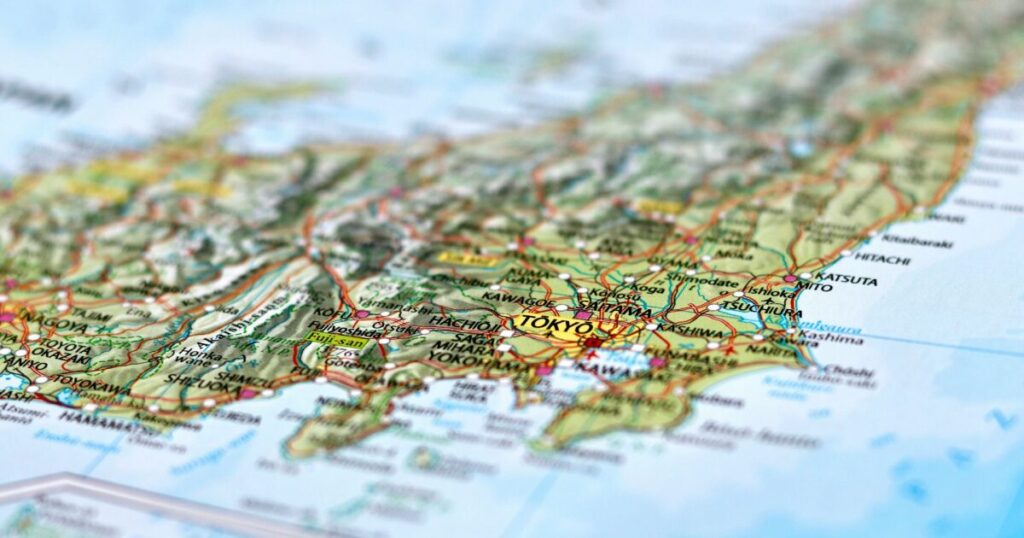
Tokyo → Kyoto → Osaka
Optional additions include Nara, Hakone, Hiroshima, or the Mount Fuji area.
This route works well because it combines modern city life, traditional culture, great food, and some of Japan’s most famous sights.
Where Should First-Time Visitors Go in Japan?
Japan has many incredible destinations, but first-time visitors usually have the best experience when they focus on a few places instead of trying to see the whole country in one trip.
1. Tokyo
Tokyo is the most common starting point for a first trip to Japan. It is vast, energetic, and full of contrasts. You can explore historic neighborhoods, futuristic shopping districts, excellent museums, beautiful gardens, and some of the best food in the world.
Best for:
First-time arrivals
Shopping and food
Big-city culture
Easy day trips
2. Kyoto
Kyoto is the place many travelers picture when they imagine traditional Japan. It is famous for temples, shrines, gardens, tea culture, and historic streets.
Best for:
Temples and shrines
Traditional atmosphere
Cultural sightseeing
Seasonal beauty
3. Osaka
Osaka is lively, friendly, and especially popular with food lovers. It feels more relaxed than Tokyo and works well as a base for exploring the Kansai region.
Best for:
Street food
Nightlife
Casual local atmosphere
Easy access to Kyoto and Nara
4. Nara
Nara is one of the easiest and most rewarding day trips from Kyoto or Osaka. It is known for its deer park, historic temples, and slower pace.
Best for:
A first day trip
History and culture
Families and slower travel
5. Hakone or the Mount Fuji Area
If you want hot springs, mountain scenery, and classic views of Japan, Hakone or the Fuji Five Lakes area can be a great addition to your itinerary.
Best for:
Hot springs
Ryokan stays
Nature
Mount Fuji views
For a first trip, it is usually smarter to go deeper, not wider. A well-planned itinerary with two to four main bases is often more enjoyable than changing hotels every day.
Do You Need a Visa for Japan?
Japan has visa exemption agreements with many countries, which means some travelers can enter for short tourist stays without applying for a visa in advance. However, entry requirements depend on your nationality and can change, so you should always check the latest official rules before booking your trip.
In addition to visa requirements, make sure:
- Your passport is valid for the required period
- You know how long you are allowed to stay
- You have proof of onward or return travel if needed
- You understand any entry procedures that apply to your nationality
This is one of the most important parts of planning a trip to Japan, so do not leave it until the last minute.
How to Get Around Japan
Transportation is one of the biggest concerns for first-time visitors, but it becomes much easier once you understand the basics.
Trains
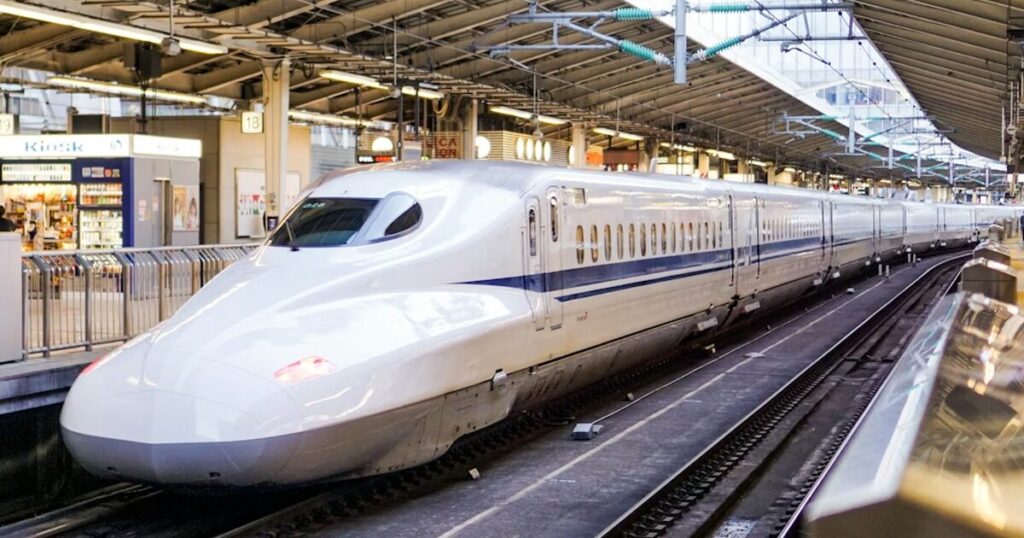
Japan’s rail system is excellent. In major cities, trains and subways are usually the fastest way to get around. For longer distances, the shinkansen, or bullet train, is efficient, comfortable, and reliable.
IC Cards
An IC card is one of the most useful things you can have in Japan. Cards such as Suica, Pasmo, and ICOCA can be used on trains, subways, and buses, and they also work for small purchases at many convenience stores and vending machines.
Why IC cards are so helpful:
- No need to buy individual tickets every time
- Easy and convenient for urban transportation
- Useful for quick everyday purchases
Taxis
Taxis in Japan are clean and safe, but they are more expensive than public transportation. They are useful when you have luggage, are traveling late at night, or need to reach a place that is less convenient by train or bus.
Domestic Flights
Japan is longer than many first-time travelers realize. If you plan to visit Hokkaido, Okinawa, or more distant parts of the country, domestic flights may save you a lot of time.
Walking
Japan is very walkable, especially in cities and sightseeing areas. Comfortable shoes are essential because most travelers end up walking far more than expected.
Transportation Tips for Beginners
- Use Google Maps or another reliable transit app
- Allow extra time at large train stations
- Keep your IC card topped up
- Avoid carrying heavy luggage during rush hour
- Check the time of the last train if you plan to stay out late
Should You Buy a Japan Rail Pass?
This depends on your itinerary. The Japan Rail Pass can be useful for some long-distance trips, but it is not always the cheapest option. In many cases, buying individual tickets makes more sense.
A Japan Rail Pass may be worth considering if:
- You are taking multiple long-distance shinkansen trips in a short period
- Your itinerary is fixed
- You value convenience over flexibility
It may not be worth it if:
- You are staying mostly in one city or region
- You are taking only one or two major intercity trips
- A regional pass or low-cost flight suits your route better
For first-time visitors, the key point is simple: do not assume you automatically need a rail pass. Compare the cost based on your actual itinerary.
Where Should You Stay in Japan?
Accommodation in Japan ranges from budget hostels to business hotels, luxury hotels, ryokan inns, and apartment-style stays.
Best Options for First-Time Visitors
Business hotels
These are often the easiest choice for first-time travelers. They are clean, efficient, and usually located near train stations. Rooms can be small, but they are practical and reliable.
Mid-range hotels
A good option if you want more comfort, a slightly larger room, or additional services.
Ryokan
A traditional inn can be one of the most memorable parts of a trip to Japan. Many ryokan offer tatami rooms, futon bedding, Japanese-style meals, and onsen baths. Even one night can add something special to your itinerary.
Hostels
Great for budget travelers, solo travelers, and anyone who cares more about location than room size.
What to Prioritize
For your first trip to Japan, location matters more than luxury. It is often worth paying a little more to stay near a major station.
Look for places that are:
- Within easy walking distance of a station
- In a safe and convenient neighborhood
- Close to restaurants, shops, and convenience stores
- Well connected to airports or shinkansen stations
How Much Does a Trip to Japan Cost?
Japan can work for a range of budgets. It is not necessarily as expensive as many travelers expect, but your total cost will depend on where you stay, when you travel, and how much long-distance transportation you use.
Rough Daily Budget Per Person
| Budget Level | Estimated Daily Cost |
|---|---|
| Budget | $60–$110 |
| Mid-range | $120–$250 |
| Higher-end | $250+ |
Main expenses
- Flights
- Accommodation
- Local transportation
- Long-distance transportation
- Food
- Attractions
- Shopping
Ways to save money in Japan
- Travel outside peak holiday periods
- Book accommodation early
- Use business hotels for good value
- Eat at local chains, casual restaurants, and convenience stores
- Limit unnecessary long-distance travel
- Choose a few high-value attractions instead of trying to do everything
Many first-time visitors find that food in Japan offers excellent value for money. You can eat extremely well without spending a fortune.
What Should You Eat in Japan?
Food is one of the biggest highlights of any trip to Japan. Even travelers who do not consider themselves food-focused often end up remembering their meals as one of the best parts of the trip.
Popular foods for first-time visitors include:
- Sushi
- Ramen
- Tempura
- Tonkatsu
- Udon and soba
- Yakitori
- Okonomiyaki
- Japanese curry rice
- Onigiri
- Matcha desserts
Do not overlook:
- Department store food halls
- Convenience store snacks and meals
- Local breakfast options
- Regional specialties in each city
One of the best ways to enjoy food in Japan is to mix famous restaurants with everyday places. Some of the most satisfying meals are simple, affordable, and discovered by chance.
Japan Travel Etiquette: What First-Time Visitors Should Know
Japan is welcoming, but social norms can be different from what many travelers are used to. You do not need to be perfect, but having some basic awareness shows respect and makes daily travel smoother.
Important Etiquette Tips
- Speak quietly on public transportation
- Do not eat while walking in crowded areas unless it is clearly normal there
- Queue properly and wait your turn
- Take off your shoes when required
- Do not tip in most situations
- Be respectful when taking photos, especially in temples, shrines, and residential areas
- Avoid loud phone calls on trains
- Follow bath rules carefully if you visit an onsen
In general, Japan works so smoothly because people are mindful of those around them. If you stay observant and respectful, you will usually be fine.
What to Pack for Your First Trip to Japan
What you pack depends on the season, but there are a few essentials that help almost every traveler.
Recommended items
- Comfortable walking shoes
- Clothes that fit the season
- A light day bag
- A travel adapter
- A portable charger
- Any necessary medications
- Copies of important travel documents
- A small wallet or coin purse
- A compact umbrella or light rain jacket
Good to know
Hotel rooms can be small, and trains can get crowded. Packing light will make your trip much easier. If you plan to move between cities, a manageable suitcase is far better than an oversized one.
Staying Connected: SIM Cards, eSIMs, and Pocket Wi-Fi
Internet access makes travel in Japan much easier, especially for maps, translation apps, train routes, and online bookings.
You generally have three main options:
eSIM
If your phone supports it, eSIM is often the easiest and most convenient option.
Physical SIM card
A good choice if your phone is not compatible with eSIM.
Pocket Wi-Fi
A practical option for groups or travelers using multiple devices. It can be cost-effective, but it also means carrying and charging another device.
For most first-time solo travelers or couples, an eSIM or SIM card is usually the simplest option.
Can You Travel in Japan Without Speaking Japanese?
Yes. Many first-time visitors travel around Japan without speaking much Japanese, or any at all. In major tourist areas, you can usually manage with basic English, translation apps, patience, and politeness.
That said, learning a few simple phrases is always appreciated.
Helpful phrases:
Hello
Thank you
Excuse me
Please
Yes / No
Where is… ?
Do you speak English?
Even if your pronunciation is not perfect, making a small effort often leads to a warmer interaction.
Common Mistakes First-Time Visitors Make in Japan
A smooth first trip often comes down to avoiding a few common mistakes.
1. Trying to do too much
Japan is bigger and denser than many travelers expect. Do not overload your itinerary.
2. Underestimating travel time
Even with efficient transportation, getting around takes time, especially when navigating large stations and checking in and out of hotels.
3. Packing too much
Heavy luggage quickly becomes a burden when you are moving through stations, hotels, and busy city streets.
4. Booking too late during peak seasons
Cherry blossom season, autumn foliage season, and major holiday periods can book up quickly.
5. Assuming cash is no longer necessary
Japan is increasingly card-friendly, but cash is still useful in some smaller shops, restaurants, and rural areas.
6. Ignoring basic etiquette
Small things like train manners, queuing properly, and shoe rules make a real difference.
7. Spending all your time in major tourist areas
The famous spots are worth seeing, but some of the best memories come from quieter streets, local cafés, neighborhood shrines, and ordinary everyday moments.
A Simple First-Time Japan Itinerary
If you are not sure where to begin, this is a well-balanced example:
7 to 10 Days in Japan
- Days 1–4: Tokyo
- Day 5: Travel to Kyoto
- Days 5–7: Kyoto
- Day 8: Nara or Osaka day trip
- Days 9–10: Osaka or return to Tokyo
This type of itinerary gives you:
- A major modern city
- Traditional culture
- Excellent food
- Easy transportation
- A manageable pace for a first visit
You do not need to see everything on your first trip to Japan. In fact, most travelers leave already thinking about a second visit.
Final Thoughts on Planning Your First Trip to Japan
Your first trip to Japan does not need to be perfect to be unforgettable. In fact, part of the experience is learning as you go. Your first station transfer, your first bowl of ramen, your first quiet temple visit, and your first late-night stop at a convenience store all become part of the memory.
The best approach is to prepare well, keep your itinerary realistic, and stay flexible. Focus on a few destinations, understand the basics of Japanese etiquette, and give yourself time to enjoy the small moments instead of rushing through a checklist.
Japan can seem complicated before you arrive, but once you are there, it often feels surprisingly easy to love and surprisingly easy to navigate.
For many travelers, the first trip is only the beginning.