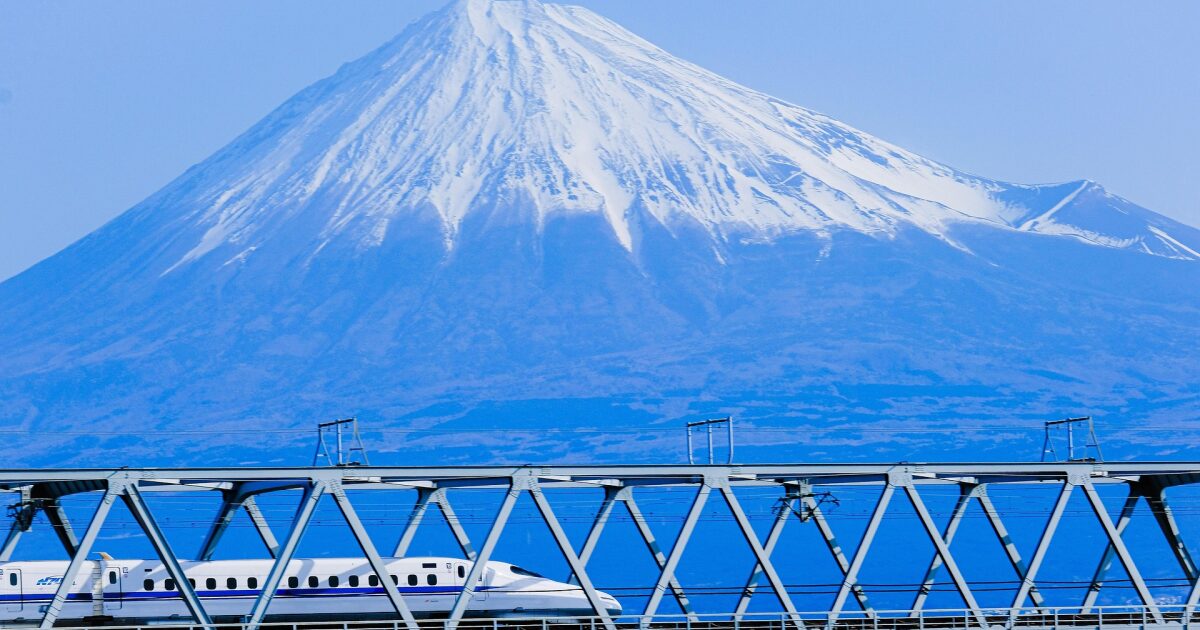
Planning your first trip to Japan can feel exciting, inspiring, and slightly overwhelming all at once. Japan rewards first-time visitors with amazing food, efficient transportation, beautiful seasonal scenery, and a level of convenience that makes independent travel much easier than many people expect. At the same time, it helps to understand the basics before you go so you can avoid common mistakes and enjoy the trip with confidence.
This first-time Japan travel guide brings together the most important things beginners need to know before visiting. You will learn when to go, how long to stay, where to begin, how trains and IC cards work, what to budget, where to stay, what to eat, what to pack, and how to avoid the planning mistakes that often make a first trip more stressful than it needs to be.
If you are still in the early planning stage, start here, then continue with our detailed guides to the best time to visit Japan, how to travel around Japan, and Japan travel etiquette.
Why Japan Is a Great Destination for First-Time Visitors
Japan is one of the easiest countries in Asia for first-time international travelers to enjoy independently. Even though the culture, language, and systems may feel unfamiliar at first, daily travel tends to become smoother very quickly once you understand a few basics.
- Public transportation is excellent, especially in Tokyo, Kyoto, and Osaka.
- Cities are organized and convenient, with stations, convenience stores, and hotels almost everywhere.
- Food quality is consistently high, from casual ramen shops to department store food halls.
- The country offers huge variety, from neon cityscapes and shopping districts to historic temples, onsen towns, gardens, and mountain scenery.
- It suits many travel styles, whether you prefer fast-paced city travel, cultural sightseeing, food-focused trips, or a slower itinerary.
The biggest challenge for beginners is not whether Japan is worth visiting. It is learning how to plan realistically. Large stations can be confusing, hotel rooms can be small, and moving between cities takes more energy than people expect. A well-structured first itinerary makes all the difference.
The First 3 Decisions You Should Make Before Booking
Before booking flights or hotels, decide these three things first:
- When you want to go: spring, autumn, summer, or winter all create very different travel experiences.
- How many days you have: a 7-day trip and a 14-day trip should not follow the same pace.
- Whether you want breadth or depth: seeing fewer places well is usually better than trying to cover the whole country.
Once you know your season, trip length, and preferred pace, the rest of your decisions become much easier.
Best Time to Visit Japan for a First Trip
Japan is a year-round destination, but the best season depends on what you want from the trip. Weather, crowd levels, scenery, and prices vary a lot by month, so this is one of the most important choices you will make.
| Season | Best For | Things to Know |
|---|---|---|
| Spring (March to May) | Cherry blossoms, mild weather, classic first trip | Beautiful but busy; hotel prices can rise during peak bloom |
| Summer (June to August) | Festivals, fireworks, mountain trips | Hot and humid in many cities; June is often rainy |
| Autumn (September to November) | Fall colors, comfortable weather, sightseeing | One of the best seasons overall for first-time visitors |
| Winter (December to February) | Snow, hot springs, fewer crowds, seasonal food | Cold, but often good value outside holiday periods |
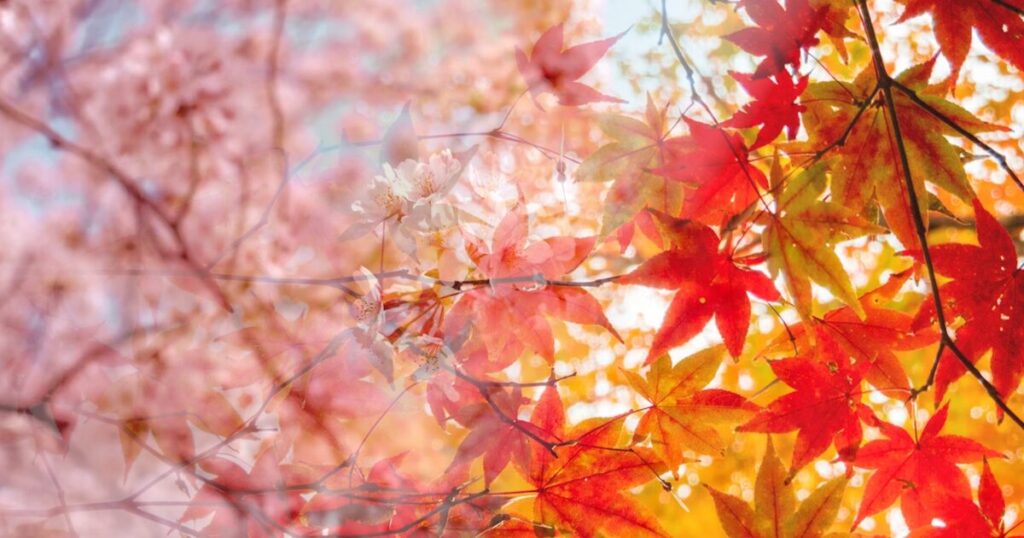
Spring is popular for good reason. Mild temperatures and cherry blossom scenery make it one of the most appealing times for first-time travelers. If sakura is your main goal, read our guide to cherry blossom season in Japan.
Autumn is often the easiest all-around choice. The weather is comfortable, fall foliage is beautiful, and cities are easier to enjoy than in the heat of summer. For a deeper look, see Japan in autumn: best places for fall colors and seasonal food.
Winter can be excellent for travelers who want lower crowds in major cities, seasonal illuminations, and onsen stays. Summer suits travelers who love festivals, fireworks, and regional trips, but city sightseeing can be tiring in the heat.
Best overall seasons for most beginners: spring and autumn.
How Long Should Your First Trip to Japan Be?
If possible, aim for 7 to 14 days. That gives you enough time to enjoy two or three major bases without turning the trip into a race between train stations and hotel check-ins.
- 5 to 7 days: Best for Tokyo plus one day trip, or Tokyo and Kyoto at a fast pace.
- 7 to 10 days: Ideal for a classic first trip covering Tokyo, Kyoto, and Osaka.
- 10 to 14 days: Better if you want a slower pace, extra food stops, or a ryokan and onsen stay.
- 14+ days: Great for adding regional destinations such as Hokkaido, Fukuoka, or more day trips.
If you want a ready-made route, see our 7-day Japan itinerary for first-time visitors or 10-day Japan itinerary for first-time visitors: Tokyo, Kyoto, and Osaka.
Where Should First-Time Visitors Go in Japan?
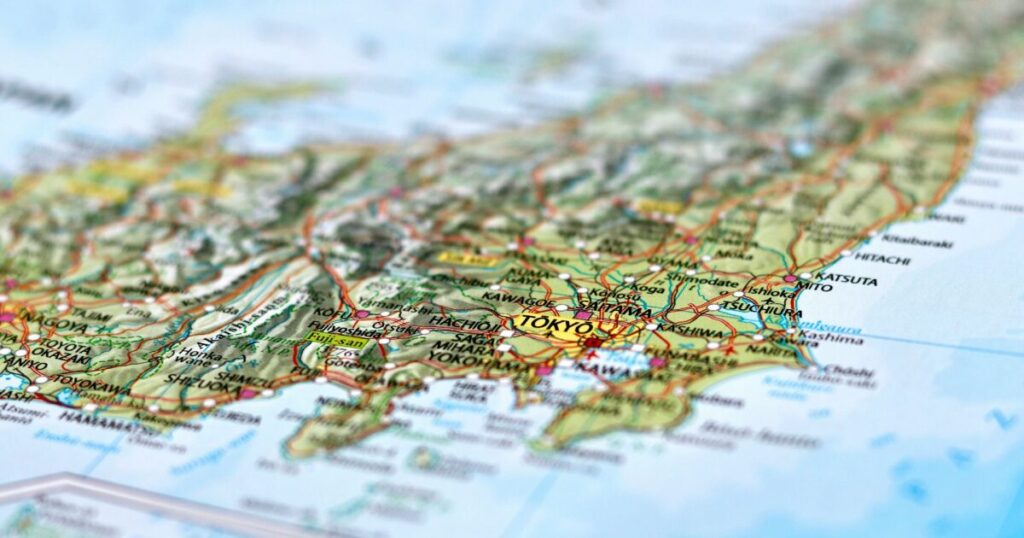
For most people, the best first trip focuses on the classic route of Tokyo, Kyoto, and Osaka. It works because it gives you a balanced introduction to modern Japan, traditional culture, regional food, and efficient long-distance transport.
Tokyo
Tokyo is the most common arrival point and the easiest place to begin. It offers neighborhoods with completely different personalities, excellent public transport, great shopping, world-class food, museums, gardens, and easy day trips. Read our full Tokyo travel guide for first-time visitors and best things to do in Tokyo for first-time visitors for planning ideas.
Kyoto
Kyoto is where many travelers experience the historic side of Japan. Temples, shrines, gardens, old streets, seasonal scenery, and cultural experiences make it one of the most memorable parts of a first trip. For more detail, see our Kyoto travel guide and Kyoto 2-day itinerary for first-time visitors.
Osaka
Osaka adds energy, casual charm, and outstanding food. It is a great contrast to Kyoto and works well as a base for Kansai travel. If food is a priority, start with our Osaka travel guide for first-time visitors and what to eat in Osaka.
For a first trip, this route is usually enough. You do not need to add Hokkaido, Fukuoka, or too many regional stops unless you have enough days to enjoy them properly.
How to Get Around Japan Without Stress
Transportation is one of the main things first-time visitors worry about, but Japan becomes much easier once you understand how the system is structured.
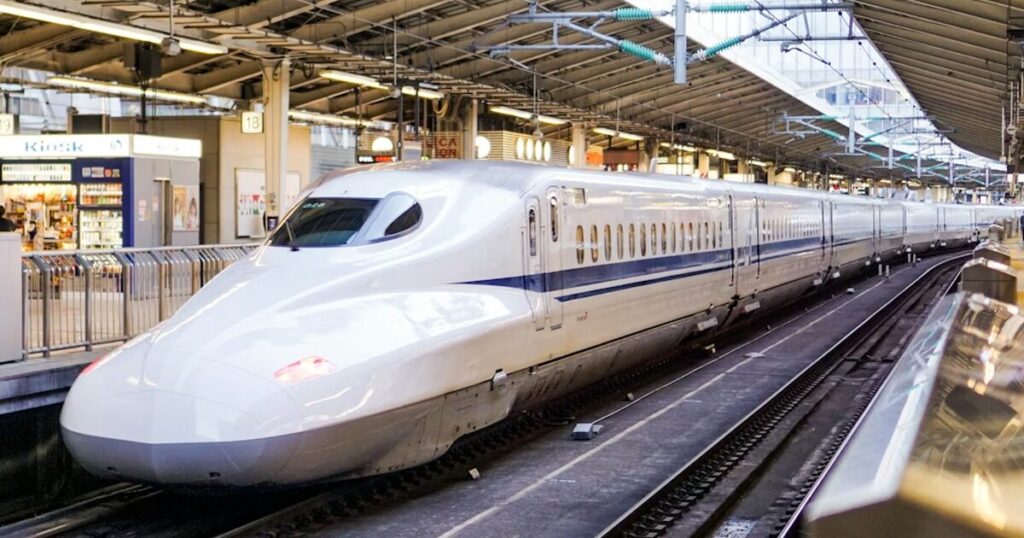
In cities, trains and subways are usually the fastest and most practical option. Between cities, the shinkansen is often the most efficient choice on the Tokyo–Kyoto–Osaka route. For remote regions, domestic flights can sometimes save valuable time.
Your most useful everyday tool will usually be an IC card, such as Suica, Pasmo, or ICOCA. It saves time, reduces friction at stations, and can also be used for many small purchases. For a full beginner explanation, read how to travel around Japan: trains, IC cards, and shinkansen basics.
One of the biggest planning mistakes is assuming you automatically need a Japan Rail Pass. That is not always true. It depends entirely on your route, number of long-distance trips, and pace. Compare actual point-to-point costs with your itinerary before deciding.
Where to Stay in Japan on Your First Visit
For beginners, location matters more than luxury. Staying near a major station usually saves time, energy, and stress. That is often more valuable than having a slightly larger room.
Business hotels are one of the best options for first-time visitors because they are clean, efficient, reliable, and often close to stations. Mid-range hotels are ideal if you want more comfort. Hostels work well for budget travelers and solo travelers. Ryokan are worth considering for at least one special night if you want a more traditional experience.
If Tokyo is your starting point, choosing the right area has a huge impact on your trip. See where to stay in Tokyo: best areas for first-time visitors before you book.
When comparing hotels, prioritize these points:
- Walking distance to a station
- Easy airport or shinkansen access
- Restaurants and convenience stores nearby
- Cancellation flexibility during peak travel periods
How Much Does a First Trip to Japan Cost?
Japan can fit a range of budgets. It is not always cheap, but it is often better value than first-time visitors expect, especially when it comes to food quality and transport reliability.
| Travel Style | Estimated Daily Budget Per Person |
|---|---|
| Budget | $60–$110 |
| Mid-range | $120–$250 |
| Higher-end | $250+ |
Your biggest expenses will usually be flights, accommodation, intercity transport, shopping, and any premium stays such as ryokan or higher-end hotels. Food can be surprisingly manageable because Japan has many excellent casual restaurants and convenience store options.
Ways to keep costs under control:
- Travel outside peak cherry blossom and major holiday periods
- Book hotels early in Tokyo, Kyoto, and Osaka
- Limit unnecessary long-distance side trips
- Mix special meals with casual chains, ramen shops, and konbini food
- Use station-area hotels to save transport time and cost
What Should You Eat on Your First Trip?
Food is one of the biggest reasons people fall in love with Japan. Even travelers who do not plan around meals often come home talking about ramen, sushi, onigiri, convenience store snacks, dessert cafés, izakaya dinners, and regional specialties.
Good first-trip foods to try include sushi, ramen, tempura, tonkatsu, udon, soba, yakitori, curry rice, okonomiyaki, takoyaki, and matcha desserts. For a broader list, see what to eat in Japan: 20 Japanese foods first-time visitors should try, sushi in Japan: a beginner-friendly guide for travelers, and what to try at konbini.
One of the best strategies is to mix famous must-try dishes with everyday eating. Do not only chase viral restaurants. Some of the best travel memories come from a quiet ramen shop, a quick breakfast from a convenience store, or a department store basement food hall before boarding a train.
Japan Travel Etiquette for Beginners
You do not need perfect manners to enjoy Japan, but basic awareness goes a long way. In many places, travel feels smooth because people try not to inconvenience others. Following that general principle will already help you fit in.
- Speak quietly on trains and avoid loud calls
- Queue properly and wait your turn
- Remove your shoes when required
- Do not assume tipping is expected
- Check photo rules in temples, shrines, and private spaces
- Learn basic onsen rules before bathing
For a fuller breakdown, read Japan travel etiquette: 15 rules visitors should know and, if you want to try hot springs, best onsen experiences in Japan for beginners.
What to Pack for Japan
Pack for the season, but pack lighter than you think you need. Heavy luggage becomes frustrating in stations, on stairs, and during hotel changes. Comfortable shoes matter more than most first-time travelers realize.
Useful essentials include:
- Comfortable walking shoes
- Weather-appropriate layers
- Portable charger
- Travel adapter
- Small day bag
- Compact umbrella or light rain layer
- Medications and copies of important travel documents
Use our Japan packing list: what to bring for every season for a more detailed seasonal checklist.
How to Stay Connected in Japan
Mobile data makes Japan much easier to navigate. You will use it for maps, train transfers, reservations, translation apps, and looking up restaurants on the go.
Most travelers choose between eSIM, physical SIM, and pocket Wi-Fi. For solo travelers and couples, eSIM is often the easiest solution if the phone supports it. Pocket Wi-Fi can still make sense for groups or travelers using several devices. See Pocket Wi-Fi vs eSIM in Japan for a full comparison.
Can You Travel in Japan Without Speaking Japanese?
Yes. Many first-time visitors travel around Japan without speaking much Japanese. In major cities and tourist areas, basic English, clear gestures, translation apps, and patience are often enough.
That said, learning a few phrases is always appreciated. Even simple words like arigatou (thank you), sumimasen (excuse me), and onegaishimasu (please) can make interactions feel warmer and smoother.
Common Mistakes First-Time Visitors Make
- Trying to see too much and spending more time in transit than enjoying each place
- Underestimating station size, transfer times, and how tiring intercity travel can be
- Booking late in peak seasons, especially during cherry blossom and autumn foliage periods
- Packing too much, then struggling on trains and at hotel check-in
- Skipping basic etiquette research, especially for trains, temples, and onsen
- Not leaving room for spontaneous moments, which are often the most memorable parts of the trip
The best first trip is usually not the most ambitious one. It is the one with the right pace.
A Simple First-Time Japan Itinerary
If you want a balanced route that works well for many travelers, use this framework:
- Days 1–4: Tokyo
- Day 5: Travel to Kyoto
- Days 5–7: Kyoto
- Day 8: Nara or Osaka day trip
- Days 9–10: Osaka or return to Tokyo
This style of itinerary works because it combines a major modern city, traditional sightseeing, excellent food, and straightforward transport. It also gives you enough time to actually enjoy each place instead of just checking landmarks off a list.
If you prefer a pre-built plan, go next to our 3 days in Tokyo itinerary, 7-day Japan itinerary, or Tokyo and Osaka itinerary.
Final Thoughts
Your first trip to Japan does not need to be perfect to be unforgettable. The goal is not to do everything. The goal is to build a trip that feels manageable, interesting, and enjoyable from start to finish.
Choose the right season, keep your route realistic, stay near stations, learn the basics of transport and etiquette, and leave enough room in the schedule to enjoy the small moments. Japan often feels most memorable not only because of its famous sights, but because of the details: a quiet temple path in the morning, a bowl of ramen after a long day, a convenience store snack before the last train, or a neighborhood street you found by accident.
For many travelers, the first visit is only the beginning.