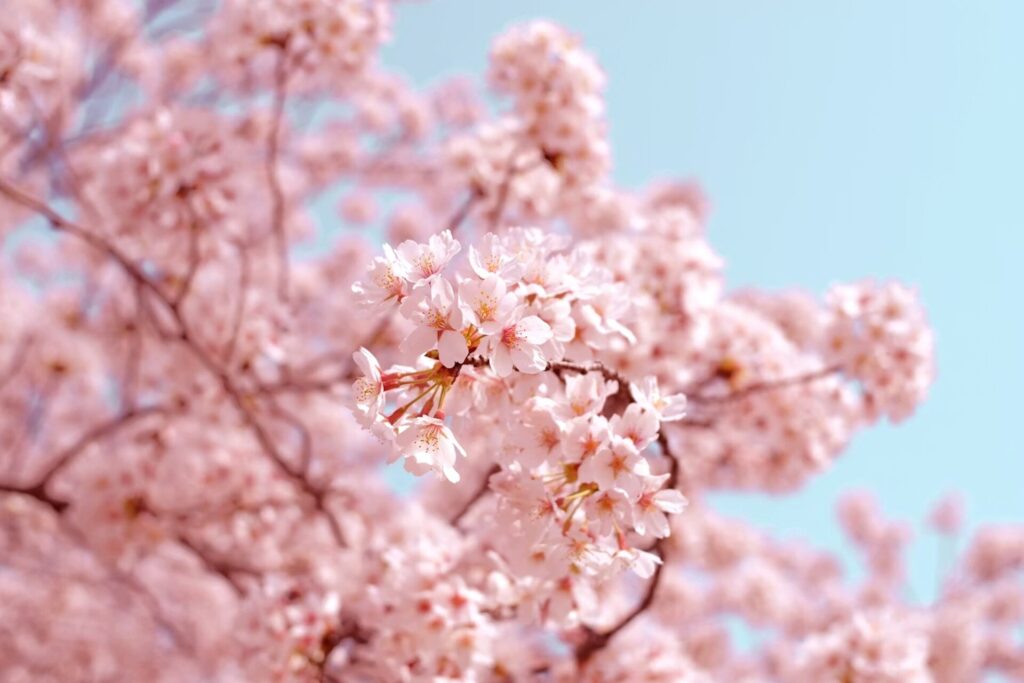
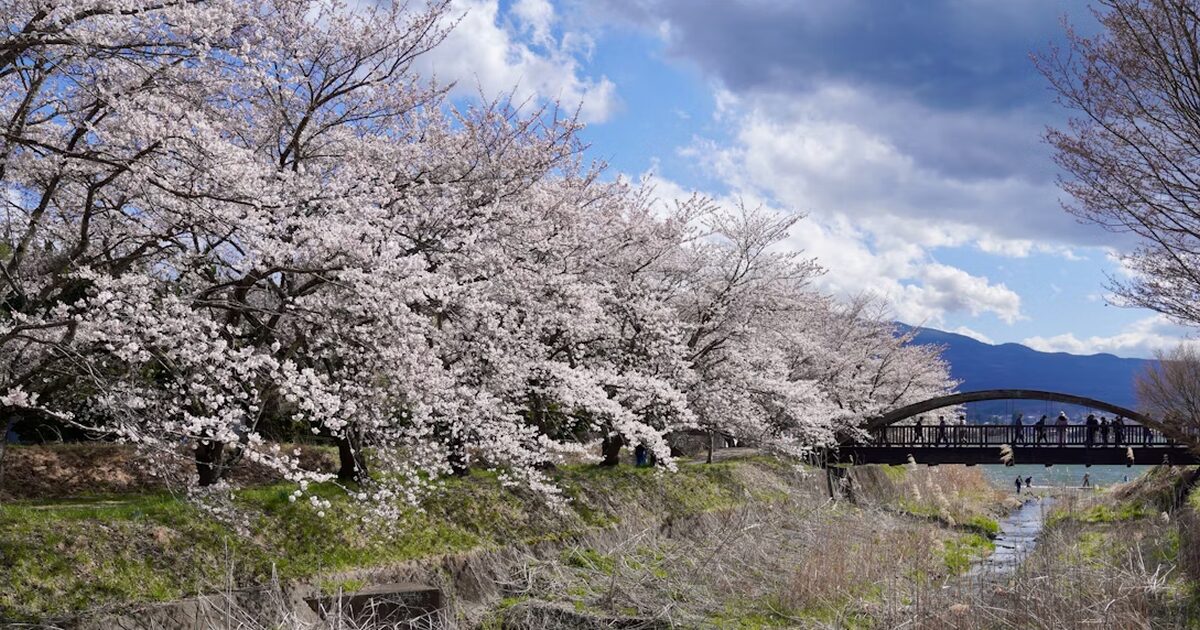
Spring is one of the most beautiful and popular times to visit Japan. For many travelers, it is the season that best captures the country’s charm: soft pink cherry blossoms, temple gardens waking up after winter, rivers lined with flowers, and parks filled with people enjoying hanami picnics beneath the trees.
But Japan in spring is about more than just sakura.
It is also a season of fresh greenery, mild weather, seasonal festivals, and colorful flower fields that change from region to region. In March, you may still feel a winter chill in northern Japan while early blossoms begin appearing in warmer areas. In April, cities like Tokyo and Kyoto come alive with spring color. By May, the weather is often ideal for sightseeing, and destinations in northern Japan and higher elevations begin to look their best.
If you are planning a spring trip, this guide covers the best places to visit in Japan in spring, along with practical travel tips to help you plan with confidence. Whether you want classic cherry blossom scenery, quieter nature spots, or a balanced first-time itinerary, spring offers some of the best travel experiences in Japan.
Why Visit Japan in Spring?
There is a reason spring is such a famous season in Japan.
First, the scenery is unforgettable. Cherry blossoms are the headline attraction, but they are only part of the experience. Depending on when and where you travel, you can also enjoy plum blossoms, rapeseed flowers, tulips, nemophila, and wisteria. Spring is a highly seasonal time in Japan, and the landscape can change dramatically from one week to the next.
Second, the atmosphere feels special. Spring marks a season of renewal and new beginnings in Japan, and that energy is visible everywhere. Parks, shrines, shopping streets, and riverside paths feel lively and optimistic. Even an ordinary neighborhood can look magical when the trees are in bloom.
Third, spring weather is usually pleasant for sightseeing. Many days are comfortable for walking, exploring cities, and spending time outdoors. You may still encounter chilly mornings, cool evenings, or occasional rain, but overall, spring is one of the easiest and most enjoyable seasons for first-time visitors.
The main drawback is simple: spring is one of Japan’s busiest travel seasons. Hotel prices often rise, famous blossom spots can become crowded, and trains may be busier than usual, especially on weekends and during holiday periods. That does not mean you should avoid spring. It simply means you should plan ahead and keep your expectations realistic.
Quick Guide to Japan in Spring by Month
| Month | What to Expect | Best For |
|---|---|---|
| March | Cool weather, early spring flowers, and the first cherry blossoms in warmer regions | Early spring trips, lighter crowds at the start of the month, early sakura viewing |
| April | Peak cherry blossom season in many major cities and a lively spring atmosphere | Classic first-time spring travel in Japan |
| May | Mild weather, fresh greenery, later blooms in the north, and flower parks at their best | Comfortable sightseeing, nature trips, and fewer sakura-focused crowds |
In general, March and April are best for classic cherry blossom travel, while May is ideal for pleasant weather and broader spring scenery. Your best time to visit depends on whether you want to focus specifically on sakura or simply enjoy Japan in spring as a whole.
Best Places to Visit in Japan in Spring
1. Tokyo
Tokyo is one of the best places to visit in Japan in spring, especially for first-time travelers.
The city offers a little of everything: famous cherry blossom spots, excellent food, major museums, shopping districts, and easy day trip options. During spring, parks and riversides across the city become especially beautiful. You can enjoy blossoms in busy urban neighborhoods while still finding peaceful corners in traditional gardens and quieter residential areas.
What makes Tokyo particularly appealing in spring is its variety. You can start your day in a serene garden, spend the afternoon in lively districts like Shibuya or Ginza, and end with an evening stroll along a river lined with illuminated trees. Even after peak cherry blossom season ends, Tokyo remains a rewarding spring destination thanks to its mild weather and vibrant city atmosphere.
Best for: first-time visitors, short stays, city sightseeing, food lovers
2. Kyoto
If your image of spring in Japan includes temples, quiet lanes, traditional wooden streets, and cherry blossoms drifting through historic scenery, Kyoto is probably the place you are imagining.
Kyoto is one of Japan’s most iconic spring destinations. The combination of shrines, temple gardens, old neighborhoods, and seasonal blooms creates a timeless atmosphere that many travelers dream about. It is an especially strong choice for visitors who want a more traditional and cultural side of Japan.
That said, Kyoto is also one of the busiest places in Japan during spring. Famous areas can become extremely crowded, especially in early April and on weekends. The best strategy is not to skip Kyoto, but to visit wisely. Go out early in the morning, stay for several nights if possible, and combine major sights with quieter areas to enjoy a more balanced trip.
Best for: traditional scenery, temples, photography, first-time Japan itineraries
3. Osaka
Osaka is sometimes overlooked in spring because of Kyoto’s popularity, but it deserves a place on many itineraries.
The city offers a lively and approachable urban experience with excellent food, efficient transportation, and easy access to nearby destinations. Spring is a wonderful time to enjoy Osaka Castle Park, riverside walks, and open-air dining while also using the city as a base for exploring the Kansai region.
Compared with Kyoto, Osaka feels more energetic, casual, and food-focused. It is ideal for travelers who want spring scenery without spending every day visiting temples and gardens. It also works particularly well for visitors looking for a mix of sightseeing, nightlife, and day trips.
Best for: food, city breaks, Kansai travel, travelers who want a more casual atmosphere
4. Nara
Nara is a wonderful addition to a spring itinerary in Kansai, especially if you are already visiting Kyoto or Osaka.
The city is famous for its historic temples, spacious parkland, and friendly deer, but spring gives it an extra layer of charm. The mild weather makes walking especially pleasant, and the slower pace feels refreshing after time in larger cities. Nara is a great choice for travelers who want a cultural destination that feels calmer and less intense than Kyoto.
Because it is easy to visit as a day trip, Nara fits naturally into many first-time itineraries. Still, it is also worth slowing down and spending more time there if you prefer a relaxed spring experience.
Best for: day trips, historic sites, slower-paced sightseeing, families
5. Hirosaki, Aomori
If your top priority is cherry blossoms, Hirosaki deserves serious consideration.
Hirosaki Park in Aomori is one of Japan’s most famous cherry blossom destinations, known for its beautiful spring scenery around the castle, moats, and tree-lined paths. Because northern Japan blooms later than Tokyo or Kyoto, Hirosaki is also a smart option for travelers who miss the main sakura window in central Japan.
Hirosaki is not always included in a first-time trip because it requires more travel time, but that extra effort is part of what makes it feel so special. If you want a more seasonal, destination-focused spring trip, it is an excellent choice.
Best for: dedicated cherry blossom trips, later spring travel, northern Japan itineraries
6. Hokkaido
Hokkaido is a great choice for travelers visiting Japan in late spring.
Because of its northern location, spring arrives later here than in much of the rest of the country. That makes late April and May especially appealing for travelers who want open landscapes, cooler air, and a different side of Japan. While central Japan may already be moving beyond peak blossom season, Hokkaido can still feel fresh and newly awakened.
Hokkaido is less about classic temple-and-city spring travel and more about nature, scenic drives, spacious views, and later seasonal timing. If you want a spring trip that feels a little different, it is well worth considering.
Best for: late spring travel, nature lovers, repeat visitors, cooler weather
7. Hitachi Seaside Park, Ibaraki
Spring in Japan does not have to be only about cherry blossoms.
One of the most memorable spring destinations beyond sakura is Hitachi Seaside Park, known for its sweeping seasonal flower displays. It is especially popular for its blue nemophila fields, but other spring flowers also make it a standout destination. This is a great option for travelers who have already seen cherry blossoms before or who want a spring landscape that feels visually different from the classic sakura route.
Best for: flower lovers, photographers, Tokyo day trips, repeat visitors
8. Ashikaga Flower Park, Tochigi
If you are traveling in late April or May, Ashikaga Flower Park is one of the best spring destinations to add to your list.
It is especially famous for its wisteria, which creates a completely different spring atmosphere from cherry blossom season. The park is a beautiful reminder that spring in Japan stays visually spectacular even after the main sakura period has passed in major cities.
Best for: late spring trips, wisteria viewing, romantic outings, flower photography
9. Fukuoka and Kyushu
Kyushu is worth considering if you want to experience spring earlier in the season.
Fukuoka in particular is easy to access, friendly, and simple to combine with excellent food and nearby sightseeing. It may not be the first destination many travelers think of for spring in Japan, but that is part of its appeal. It offers a chance to enjoy the season in a major city without following the most predictable route.
Best for: early spring travel, regional city breaks, food lovers, avoiding the most crowded classic route
Sample Spring Itineraries in Japan
If this is your first trip to Japan
Choose Tokyo + Kyoto + Osaka. This classic route gives you a balanced mix of city life, traditional sightseeing, great food, and iconic spring scenery.
If cherry blossoms are your top priority
Plan carefully and build your trip around Tokyo, Kyoto, and Osaka in early to mid-spring, or Aomori and Hokkaido in later spring, depending on bloom timing. Since cherry blossom dates change every year, it is always smart to check the latest forecast before finalizing your plans.
If you want fewer crowds
Travel in March before peak bloom or in May after the main sakura rush. You may miss the most famous blossom scenes, but you will often enjoy a calmer and more comfortable trip overall.
If you love flowers beyond sakura
Build your trip around Hitachi Seaside Park, Ashikaga Flower Park, and flower-filled destinations such as Kyoto.
Essential Japan Spring Travel Tips
1. Do not plan your entire trip around one exact cherry blossom date
This is one of the most common mistakes first-time visitors make.
Cherry blossom timing changes every year depending on the weather. Blossoms usually last only a short time, and the best viewing period can shift from the original forecast. Instead of building your entire itinerary around one specific day in one famous park, think in terms of a broader seasonal window.
Give yourself some flexibility, and remember that Japan in spring can still feel magical even if you catch falling petals rather than perfect peak bloom.
2. Book accommodation early
Spring is one of the busiest travel seasons in Japan. If you want to stay in popular areas of Tokyo, Kyoto, or Osaka, booking early can make a huge difference in both price and hotel selection.
This matters even more if your trip overlaps with weekends or Golden Week in late April and early May.
3. Expect crowds at famous spots
Kyoto’s best-known temples, Tokyo’s most famous blossom parks, and major castle grounds can all get very crowded. Whenever possible, visit early in the morning. Early hours usually offer the best mix of calmer streets, softer light, and a more enjoyable sightseeing experience.
4. Pack layers
Spring temperatures in Japan can change quite a bit throughout the day. A sunny afternoon may feel warm, while mornings and evenings can still be chilly. The easiest solution is to bring layers that you can add or remove as needed.
A light jacket, cardigan, or compact coat is often useful, especially in March or in northern areas.
5. Bring allergy medicine if needed
Spring can be difficult for travelers with pollen allergies. Even if you do not usually think much about seasonal allergies at home, it is a good idea to come prepared just in case.
6. Have a rainy-day backup plan
Spring is often lovely, but it is not always perfectly dry. Museums, indoor markets, observation decks, basement food halls, and covered shopping streets are all excellent backup options when the weather changes unexpectedly.
7. Look beyond sakura
Cherry blossoms are beautiful, but a spring trip to Japan is not a failure if you miss peak bloom. Plum blossoms, tulips, nemophila, rapeseed flowers, and wisteria can all create unforgettable seasonal scenery. Keeping an open mind often leads to a richer and less stressful trip.
What to Wear in Japan in Spring
| Item | Why It Helps |
|---|---|
| Light jacket or coat | Useful for cool mornings and evenings |
| Layering tops | Easy to adjust as temperatures change during the day |
| Comfortable walking shoes | You will likely walk a lot in cities, parks, and temple areas |
| Compact umbrella | Helpful for occasional spring rain |
| Allergy medicine | Useful during pollen season |
| Small day bag | Convenient for carrying water, layers, and daily essentials |
For March, pack slightly warmer clothing.
For April, flexible layers work best.
For May, lighter outfits are usually fine in many regions, but it is still smart to bring one extra layer for evenings or northern destinations.
Is Spring the Best Time to Visit Japan?
For many travelers, the answer is yes.
Spring combines beautiful scenery, comfortable sightseeing weather, and a uniquely Japanese seasonal atmosphere. It is especially rewarding for first-time visitors because so many of the images people associate with Japan come to life during this season.
Still, the best season for your trip depends on your priorities. If you want iconic scenery and do not mind crowds, spring is hard to beat. If you prefer lower prices and quieter sightseeing, another season may suit you better. If your heart is set on cherry blossoms, timing matters more than anything else. But if you simply want a beautiful, comfortable trip with flowers, parks, and outdoor exploration, spring remains one of the best times to visit Japan.
Final Thoughts
Japan in spring is popular for a reason. It is beautiful, lively, and deeply seasonal in a way that feels unforgettable even on a short trip. The key is to plan for reality, not perfection.
Do not focus only on one famous photo spot. Instead, build an itinerary that gives you flexibility, comfortable pacing, and a mix of major highlights and quieter local moments. Whether you choose Tokyo, Kyoto, Osaka, Hirosaki, Hokkaido, or flower parks beyond the usual sakura route, spring in Japan offers far more than one kind of experience.
If this is your first visit, keep it simple: choose a few strong destinations, book early, pack layers, and enjoy the season as it unfolds.
Because in Japan, spring is not just something you see. It is something you feel.