Kyoto is one of the most rewarding destinations in Japan. As the country’s former imperial capital, it is known for its historic temples, beautiful shrines, traditional streets, seasonal scenery, and deeply rooted cultural heritage. For many travelers, Kyoto is the city that feels closest to the image they have always imagined of Japan: quiet lanes, wooden townhouses, tea houses, bamboo groves, and elegant landmarks surrounded by cherry blossoms or autumn leaves.
At the same time, Kyoto is far more than a historic postcard. It is a vibrant modern city with excellent food, stylish hotels, convenient transport, and neighborhoods that each offer a different experience. Whether you want to explore famous temples, stay in a traditional area, or use the city as a base for a wider Kansai trip, Kyoto is an easy and worthwhile addition to almost any Japan itinerary.
This Kyoto travel guide covers everything first-time visitors need to know, including the best things to do in Kyoto, where to stay, how to get around, and practical tips to help you plan a smoother and more enjoyable trip.
Why Visit Kyoto?
Kyoto offers a very different experience from Tokyo or Osaka. It feels calmer, more traditional, and more focused on culture, history, and atmosphere. That difference is exactly why so many travelers consider Kyoto one of the highlights of their trip to Japan.
One of Kyoto’s greatest strengths is its balance. You can spend the morning at a centuries-old temple, the afternoon shopping or eating in a lively downtown district, and the evening walking through lantern-lit historic streets. Few cities combine world-famous sightseeing with everyday beauty as naturally as Kyoto does.
Kyoto also rewards a slower style of travel. While the city is home to many iconic attractions, some of the best moments come between the major sights: a quiet stone path, a peaceful garden, a traditional cafe, or a scenic riverside walk. If you want a destination that feels both beautiful and meaningful, Kyoto is hard to beat.
Best Things to Do in Kyoto
There are countless things to do in Kyoto, but the best trips usually combine famous landmarks with time to enjoy the city at a slower pace. Rather than trying to see everything, focus on a few key districts and explore them well.
1. Visit Kiyomizu-dera and Explore Higashiyama
If this is your first trip to Kyoto, Kiyomizu-dera is one of the best places to start. This famous temple is one of the city’s top attractions, and the surrounding Higashiyama district offers the classic Kyoto atmosphere many first-time visitors hope to experience.
The streets around Sannenzaka and Ninenzaka are lined with traditional shops, local sweets, cafes, and souvenir stores. This area is especially beautiful in the morning, before the crowds arrive. The combination of temple views, preserved streets, and hillside scenery makes Higashiyama one of the most memorable parts of Kyoto.
If you enjoy walking, photography, and historic scenery, this area should be high on your list.
2. Walk Through Gion
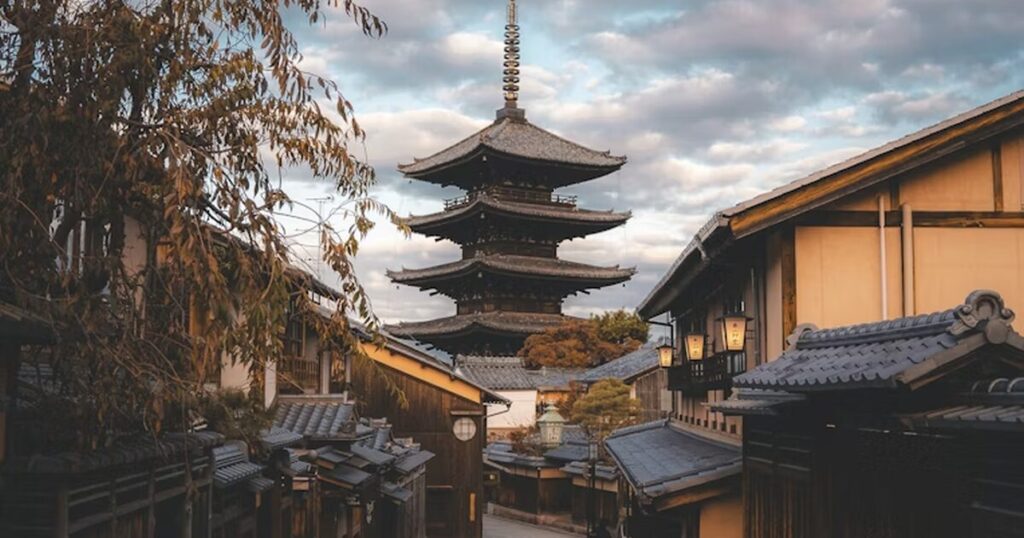
Gion is Kyoto’s most famous traditional district and one of the best places to experience the city’s historic charm. With its wooden buildings, narrow lanes, tea houses, and soft evening light, Gion feels elegant, atmospheric, and unmistakably Kyoto.
The best way to enjoy Gion is simply to walk through it slowly. Hanamikoji Street is the best-known part of the district, but the smaller lanes and the Shirakawa area are just as appealing. In the evening, the area feels especially magical.
Be respectful while visiting. Gion is a working neighborhood, not a tourist attraction in the theme-park sense. Avoid blocking private streets, speaking loudly, or taking intrusive photos.
3. Explore Fushimi Inari Taisha
Fushimi Inari Taisha is one of the most famous places in Kyoto and one of the most recognizable sights in Japan. The shrine is best known for its thousands of red torii gates, which create the striking pathways seen in so many travel photos.
While many visitors stop after the first photo area, the experience becomes more rewarding if you continue walking farther up the mountain. The higher you go, the thinner the crowds tend to be, and the more peaceful the atmosphere becomes.
For the best experience, visit early in the morning. It is one of the simplest ways to avoid the busiest times and enjoy the shrine in a quieter setting.
4. Visit Arashiyama and the Bamboo Grove
Arashiyama is one of the most popular areas in Kyoto, especially for first-time visitors. The Bamboo Grove is the main draw, but the district offers much more than that one famous path. Arashiyama is best enjoyed as a full area rather than a quick stop.
In addition to the bamboo forest, you can visit Tenryu-ji Temple, walk across Togetsukyo Bridge, enjoy river views, and explore scenic streets with a more relaxed pace than central Kyoto. Travelers who do not mind a short uphill walk can also visit the monkey park for wide views over the district.
If your itinerary allows it, give Arashiyama at least half a day. It is one of the best places in Kyoto for combining famous sights with a slower, more scenic atmosphere.
5. See Kinkaku-ji, the Golden Pavilion
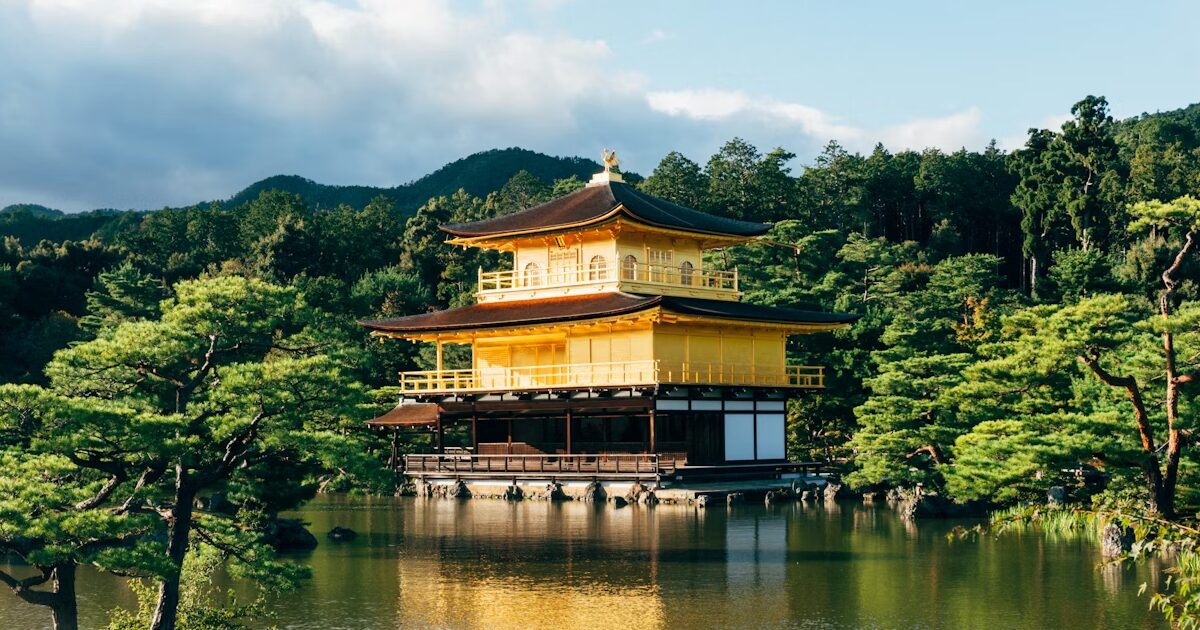
Kinkaku-ji, also known as the Golden Pavilion, is one of Kyoto’s most iconic landmarks. The gold-covered building reflected in the pond creates one of the most memorable views in the city.
This is usually a shorter visit than places like Fushimi Inari or Higashiyama, but it is still worth seeing for most first-time visitors. The main appeal is the view itself, so think of this as a visually impressive stop rather than a place for a long, in-depth visit.
It works well when paired with other sights in northwestern Kyoto.
6. Explore Central Kyoto
Kyoto is not only about temples and shrines. Central Kyoto gives you a different side of the city, with shopping streets, markets, restaurants, and historic attractions in a more urban setting.
Nishiki Market is one of the most popular stops in this area and a great place to sample local snacks and regional specialties. Nearby, Nijo Castle offers an important historical site, while the downtown area gives you easy access to dining, cafes, and shopping.
If you want to balance traditional sightseeing with convenience, central Kyoto is well worth adding to your itinerary.
7. Leave Time to Slow Down
One of the best things to do in Kyoto is not rush. Many visitors try to pack too many attractions into a single day, but Kyoto is much more enjoyable when you allow time to wander, rest, and notice the details.
A quiet garden, a traditional cafe, a peaceful morning walk, or an unplanned stop along the Kamogawa River can become just as memorable as a major landmark. Kyoto is a city that rewards slower travel.
Where to Stay in Kyoto
Choosing where to stay in Kyoto can shape your entire trip. Some neighborhoods are better for convenience, while others are better for atmosphere. The best area depends on whether you prioritize transport, scenery, dining, or easy access to famous sights.
| Area | Best For | Pros | Possible Drawbacks |
|---|---|---|---|
| Kyoto Station | Convenience, short stays, day trips | Excellent transport, wide hotel selection, easy arrival and departure | Less traditional atmosphere |
| Gion / Higashiyama | First-time visitors, classic Kyoto feel | Historic streets, beautiful atmosphere, walkable sightseeing | Higher prices, heavier crowds |
| Central Kyoto / Downtown | Food, shopping, balance | Great dining, useful transport links, practical location | Less scenic than eastern Kyoto |
| Arashiyama | Scenic stays, slower trips | Nature, peaceful setting, relaxed atmosphere | Less central for wider sightseeing |
Kyoto Station Area
The Kyoto Station area is the most practical place to stay, especially if convenience matters most. It is an excellent choice for first-time visitors who want easy transport, a wide range of hotels, and simple access to other cities.
This area works particularly well if you are arriving by shinkansen or planning day trips to Osaka, Nara, or Uji. Hotels are plentiful, luggage transfers are easy, and transport connections are excellent. The main downside is that the area feels more functional than atmospheric.
Even so, for many travelers, Kyoto Station is the smartest and most efficient base.
Gion / Higashiyama
If you want to stay somewhere that feels unmistakably Kyoto, Gion or Higashiyama is one of the best choices. This area places you close to many of the city’s most famous sights and gives you the chance to enjoy historic streets early in the morning or after day-trippers have left.
It is especially appealing for couples, photographers, and travelers who care more about atmosphere than convenience. The trade-offs are higher prices and slightly less practical transport, especially if you are traveling with large luggage.
For many first-time visitors, however, the atmosphere more than makes up for the inconvenience.
Central Kyoto / Downtown Kyoto
Central Kyoto is one of the best all-around places to stay. It offers a strong balance of convenience, dining, shopping, and access to different parts of the city. While it may not feel as romantic as Gion, it is often a more comfortable and practical base.
You will find plenty of hotels, restaurants, cafes, and transport options here. It is a good fit for travelers who want busy days of sightseeing followed by easy evenings with plenty of food choices nearby.
If you want a balanced stay in Kyoto, downtown is an excellent option.
Arashiyama
Arashiyama is best for travelers who want a more scenic and peaceful stay. With its river views, mountain backdrop, and slower pace, it feels very different from central Kyoto.
This area is ideal for a romantic stay, a relaxing night in a ryokan, or a quieter part of a longer Kyoto itinerary. However, it is less convenient if you plan to move across the city every day.
For repeat visitors or travelers who value scenery and calm, Arashiyama can be a wonderful choice.
How to Get Around Kyoto
Getting around Kyoto is fairly straightforward, but a little planning helps. The city is spread out enough that you will usually need a mix of transport rather than walking everywhere, especially if you want to visit multiple districts in one day.
For most travelers, the easiest approach is to combine trains, subways, buses, taxis, and walking. Trains and subways are usually the fastest way to move between larger areas, while buses or taxis can help you reach specific attractions that are farther from stations.
Using Buses in Kyoto
Kyoto buses are useful because many top sights are not located directly beside train stations. However, buses can also become crowded, especially during spring and autumn, when visitor numbers are highest.
Because of that, it is usually best to combine rail transport with buses instead of relying only on buses all day. This often saves time and makes sightseeing less tiring.
IC Cards and Transport Passes
An IC card is one of the easiest ways to pay for transportation in Kyoto and throughout Japan. It is flexible, simple, and convenient for most travelers.
Transport passes can be useful in some cases, but they are not always the best value. In many situations, an IC card is the easiest choice unless your daily routes clearly match a specific pass.
Is Kyoto Walkable?
Yes, many parts of Kyoto are very walkable. Areas such as Higashiyama, Gion, Arashiyama, and downtown Kyoto are best explored on foot once you arrive. The key is to use transport to reach the right district, then spend your time walking within that area rather than trying to walk across the entire city.
Kyoto Travel Tips for First-Time Visitors
These Kyoto travel tips will help you avoid common mistakes and make your trip smoother, more comfortable, and more enjoyable.
1. Start Your Day Early
This is one of the best travel tips for Kyoto. Famous places like Kiyomizu-dera, Fushimi Inari, Gion, and Arashiyama are much better in the early morning, when they feel calmer and less crowded.
2. Do Not Try to See Everything
Kyoto has a long list of famous attractions, but trying to see too many in one day usually leads to a rushed and exhausting experience. It is better to focus on one major district in the morning and a few additional stops later in the day.
Kyoto is much more enjoyable when you give yourself time to slow down.
3. Be Respectful in Historic Areas
Kyoto’s most famous areas are beautiful, but many of them are also residential or culturally sensitive spaces. Be mindful of noise, avoid blocking paths, and respect local rules around photography and private property.
4. Stay at Least Two or Three Nights
Kyoto is possible as a day trip, but staying longer makes a huge difference. Two nights is a good minimum for first-time visitors, while three nights gives you a better chance to enjoy both the major sights and the quieter side of the city.
5. Choose the Right Season
Kyoto is beautiful year-round, but each season offers a different experience. Spring is famous for cherry blossoms, summer brings lush greenery and festivals, autumn is known for colorful leaves, and winter offers a calmer and less crowded atmosphere.
| Season | Highlights | Things to Consider |
|---|---|---|
| Spring | Cherry blossoms, pleasant weather | Busy and often more expensive |
| Summer | Green scenery, seasonal festivals | Hot and humid |
| Autumn | Beautiful fall foliage | Very crowded |
| Winter | Quiet atmosphere, fewer tourists | Cold weather |
6. Leave Room for Unexpected Moments
Some of the best memories in Kyoto come from small, unplanned moments. A hidden side street, a quiet garden, or a simple tea break can feel just as special as a major attraction. Do not plan every minute.
Sample 2-Day Kyoto Itinerary
If you are visiting Kyoto for the first time, this simple two-day itinerary offers a good balance of famous sights and realistic pacing.
Day 1: Higashiyama and Gion
Morning: Start at Kiyomizu-dera before the area gets busy.
Late Morning: Walk through Sannenzaka and Ninenzaka.
Lunch: Eat in the Higashiyama area.
Afternoon: Visit Yasaka Shrine and continue into Gion.
Evening: Enjoy a relaxed walk through Gion or have dinner near Pontocho.
Day 2: Fushimi Inari and Central Kyoto
Early Morning: Visit Fushimi Inari Taisha.
Late Morning: Head to central Kyoto.
Lunch: Try Nishiki Market or a nearby restaurant.
Afternoon: Visit Nijo Castle or explore downtown Kyoto.
Evening: Enjoy dinner and a slower evening in the city center.
If you have an extra day, Arashiyama is one of the best additions to your Kyoto itinerary.
Is Kyoto Worth Visiting?
Yes, absolutely. Kyoto is one of the best places to visit in Japan for travelers who want to experience the country’s cultural side, historic landmarks, and seasonal beauty in one destination.
It is worth visiting for the famous sights alone, but what makes Kyoto unforgettable is the atmosphere. A quiet temple path, an evening walk through Gion, a view across the river, or a peaceful garden often becomes the part of the trip people remember most.
Final Thoughts
A great Kyoto trip is not about seeing everything. It is about choosing the right mix of famous attractions, practical planning, and slower moments that let you appreciate the city properly.
For most first-time visitors, the best approach is simple: stay in a convenient area, start sightseeing early, focus on a few key districts each day, and leave enough time to enjoy Kyoto’s atmosphere. If you travel that way, Kyoto will likely become one of the highlights of your Japan trip.