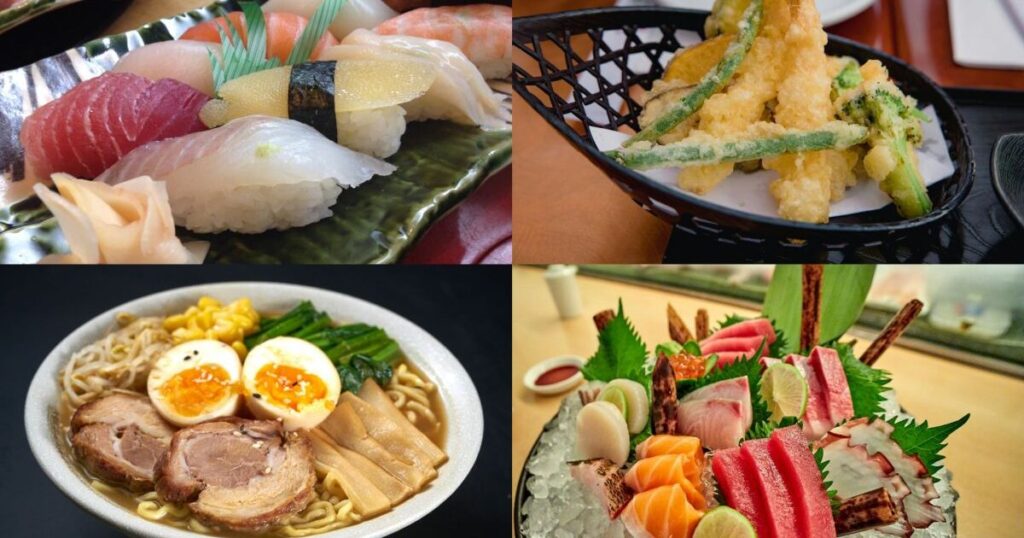
If you are planning your first trip to Japan, trying sushi will probably be high on your list. For many travelers, though, sushi in Japan can feel a little intimidating at first. Menus may be in Japanese, the types of sushi may look unfamiliar, and there can seem to be a lot of unspoken rules around ordering and eating.
The good news is that sushi in Japan is far more approachable than many first-time visitors expect. You do not need expert knowledge, advanced Japanese skills, or a huge budget to enjoy it. In fact, some of the best sushi experiences in Japan are casual, affordable, and perfect for beginners.
This beginner-friendly guide explains what sushi actually is, the main types of sushi in Japan, where to eat it, how to order, what etiquette matters, and which options are easiest for first-time visitors. Whether you want to try conveyor-belt sushi, enjoy a simple local lunch, or book a special omakase meal, this guide will help you feel more confident before you go.
Why Sushi in Japan Feels Different
Many travelers try sushi at home before visiting Japan, but sushi in Japan often feels noticeably different in several ways.
First, there is much more variety. Outside Japan, many people mainly know tuna rolls, salmon rolls, and a few familiar combinations. In Japan, even a casual sushi restaurant may offer a much wider selection of fish, shellfish, cooked toppings, seasonal specialties, and regional favorites.
Second, the overall balance is different. In Japan, sushi is not just about the fish. The rice is equally important. Good sushi rice is lightly seasoned with vinegar, shaped carefully, and served at a temperature that complements the topping. Once you try sushi in Japan, you quickly realize that the rice is a major part of what makes it memorable.
Third, sushi in Japan ranges from very casual to highly refined. You can grab a quick and inexpensive meal at a conveyor-belt sushi chain, pick up good-quality sushi from a department store basement food hall, or book an upscale omakase experience at a famous counter. All of these are valid ways to enjoy sushi in Japan.
That is one reason sushi is such a great food for travelers. You do not have to start with the most formal or expensive experience. There are plenty of easy, low-pressure ways to begin.
What Sushi Actually Means
Many visitors use the word “sushi” to mean raw fish, but that is not quite correct. Sushi actually refers to vinegared rice paired with toppings or fillings. Raw fish is common, but sushi does not always include raw seafood.
That is why you may see sushi topped with cooked shrimp, grilled eel, sweet Japanese omelet, or vegetables. If you are nervous about raw fish, this is important to know. You can still enjoy sushi in Japan even if you prefer to start with cooked or milder options.
| Sushi Term | What It Means | Beginner-Friendly? |
|---|---|---|
| Nigiri | Hand-formed rice topped with fish or another ingredient | Yes |
| Maki | Rolled sushi wrapped in seaweed | Yes |
| Temaki | Hand roll shaped like a cone | Yes |
| Gunkan | Rice wrapped with seaweed and topped with soft ingredients | Sometimes |
| Chirashi | A bowl or box of sushi rice topped with assorted seafood | Yes |
| Sashimi | Sliced raw fish served without rice | Better for confident beginners |
Understanding these basic terms makes ordering much easier and helps you choose the kind of sushi experience that feels right for you.
Main Types of Sushi in Japan
Nigiri
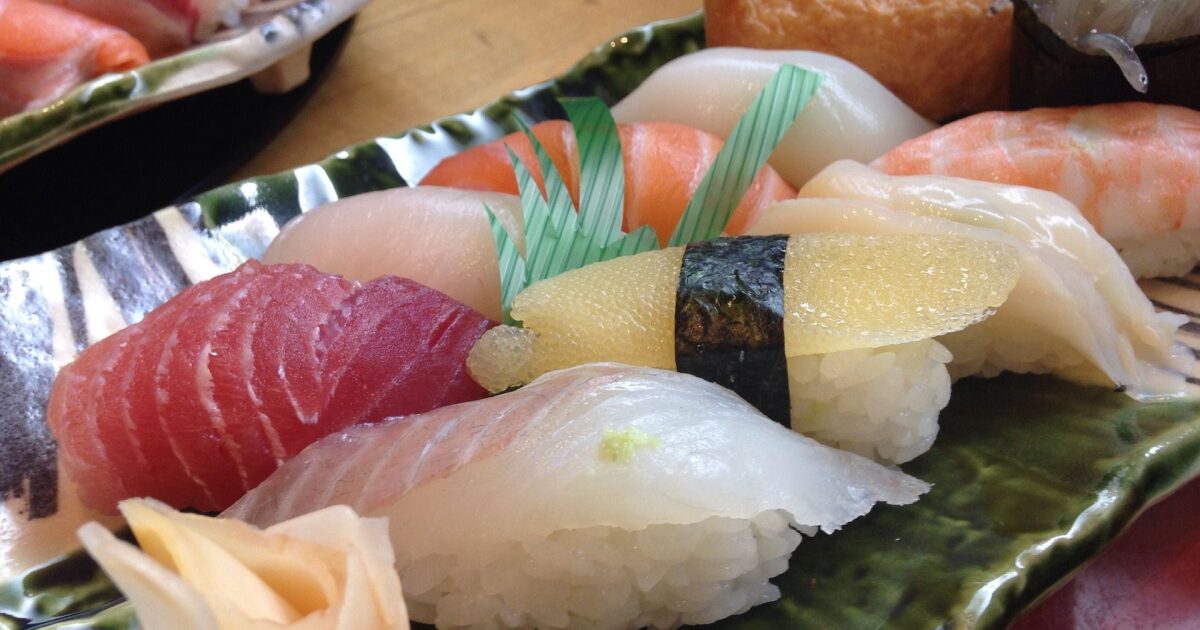
Nigiri is the style many travelers picture first when they think of sushi in Japan. It is a small hand-formed mound of rice topped with fish, shellfish, or another ingredient.
Common nigiri toppings include:
- Maguro (tuna)
- Salmon
- Ebi (shrimp)
- Hamachi (yellowtail)
- Tamago (sweet omelet)
- Anago (saltwater eel)
- Unagi (grilled freshwater eel)
Nigiri is one of the best ways to understand sushi in Japan because each piece highlights the balance between the topping and the rice.
Maki
Maki is rolled sushi. It usually contains rice, seaweed, and one or more fillings. For first-time visitors, maki often feels especially approachable because it looks familiar and is easy to eat.
You may see options such as:
- Tekka maki (tuna roll)
- Kappa maki (cucumber roll)
- Salmon rolls
- Simple vegetable rolls
If you want to start with something comfortable, maki is a great choice.
Temaki
Temaki means hand roll. It is a cone-shaped roll filled with rice, seaweed, and other ingredients. Temaki is less formal than nigiri and often feels fun, casual, and easy for beginners.
Gunkan
Gunkan maki is a small oval of rice wrapped with seaweed and topped with soft or loose ingredients. This style is often used for toppings such as salmon roe, sea urchin, or minced tuna.
Some gunkan options are easy for beginners, while others have stronger flavors or unusual textures.
Chirashi
Chirashi sushi is sushi rice served in a bowl or box and topped with assorted fish and other ingredients. It is a practical option if you want to try a variety of seafood in one meal without ordering piece by piece.
Sashimi
Sashimi is not technically sushi because it does not include rice, but it often appears on the same menu. If you enjoy raw fish and want a pure taste of the seafood itself, sashimi can be wonderful. For most first-time visitors, though, sushi is the easier place to begin.
Best Sushi in Japan for Beginners
If this is your first time trying sushi in Japan, start with options that are mild, familiar, and easy to enjoy. You do not need to order the most adventurous item on the menu to have a great experience.
| Good First Sushi Choices | Why They Work |
|---|---|
| Salmon | Rich, soft, familiar, and widely available |
| Tuna | Clean flavor and easy to like |
| Shrimp (Ebi) | Usually cooked, slightly sweet, and approachable |
| Tamago | Slightly sweet Japanese omelet with no raw fish |
| Cucumber Roll | Fresh, simple, and very easy to order |
| Grilled Eel | Cooked, savory, and rich in flavor |
| Seared Fish | A good middle ground if raw fish feels intimidating |
A simple beginner order might include salmon, tuna, shrimp, tamago, and one basic roll. Once you feel more comfortable, you can branch out to yellowtail, scallop, or lightly seared items.
Sushi That May Be More Challenging for First-Time Visitors
Part of the fun of eating sushi in Japan is trying new flavors, but some items can be more challenging for beginners because of their texture, aroma, or stronger taste.
- Uni (sea urchin): creamy and rich with a very ocean-forward flavor
- Ikura (salmon roe): salty with a popping texture
- Tako (octopus): firmer and chewier
- Ika (squid): soft but slightly slippery
- Silver-skinned fish: often stronger in flavor
- Natto rolls: made with fermented soybeans and a sticky texture
There is no reason to force yourself to eat something you are unsure about. The best sushi in Japan is the sushi you actually enjoy.
Where to Eat Sushi in Japan
One of the most common questions travelers ask is where they should try sushi in Japan. The answer depends on your budget, confidence level, and travel style.
Conveyor-Belt Sushi Restaurants
Conveyor-belt sushi, also known as kaiten sushi, is one of the best options for beginners. Plates move past your seat on a belt, or you place your order on a tablet and the dishes are delivered directly to you.
Why conveyor-belt sushi is great for travelers:
- It is affordable
- The atmosphere is casual and relaxed
- You can try many different kinds of sushi
- Many chains have picture menus or multilingual tablets
- There is very little pressure
If you are nervous about trying sushi in Japan for the first time, this is often the easiest and most enjoyable place to start.
Casual Local Sushi Restaurants
These restaurants usually feel more traditional than conveyor-belt chains, but they are still approachable. You may sit at a counter or at a table and order from a printed menu or daily specials board.
This is a good next step if you want a more local atmosphere without committing to a high-end experience.
Department Store Food Halls and Supermarkets
Department store basement food halls and Japanese supermarkets often sell very good prepared sushi. This option works well if you want a low-pressure first taste, a picnic meal, or something easy to bring back to your hotel.
It is not the same as eating at a sushi counter, but the quality can still be excellent.
High-End Sushi Counters
At the other end of the spectrum are upscale sushi counters, where the chef may prepare each piece individually and serve it as part of an omakase course. These meals can be unforgettable, but they are also more expensive and often feel more formal.
High-end sushi is not the only “real” sushi experience in Japan. For many travelers, casual sushi is actually the better place to begin.
What Is Omakase?
Omakase means you leave the selection to the chef. Instead of choosing each item yourself, the chef serves a sequence of dishes or sushi pieces based on the day’s ingredients and the intended flow of the meal.
For some travelers, omakase sounds intimidating. In reality, it can actually be simpler than ordering from a long menu because you do not need to make many decisions.
Omakase is a good fit if:
- You are open to trying unfamiliar ingredients
- You are comfortable following the chef’s pace
- You understand the price before you begin
- You want a more memorable dining experience
If you are interested but nervous, a lunch omakase is often a better starting point than dinner. It can be more affordable and slightly less formal.
How to Order Sushi in Japan
Ordering sushi in Japan is usually easier than travelers expect.
At chain restaurants, ordering often happens through:
- Touch-screen tablets
- Picture menus
- Numbered menu sheets
- Limited English support
At smaller local sushi restaurants, you may find:
- Japanese-only menus
- Handwritten daily specials
- Counter ordering with the chef or staff
Start With a Set Menu
If the menu feels overwhelming, order a set menu, sushi platter, or chef’s recommendation. This is one of the easiest ways to try a range of sushi without overthinking every choice.
Use Photos or Point Politely
If there are photos, pointing is completely fine. In casual restaurants especially, this is a normal and practical way to order.
Learn a Few Helpful Words
- Osusume = recommendation
- Omakase = chef’s choice
- Maguro = tuna
- Ebi = shrimp
- Tamago = omelet
- Arigatou gozaimasu = thank you
You do not need fluent Japanese to enjoy sushi in Japan. A few useful words, polite body language, and a willingness to keep things simple are usually enough.
Sushi Etiquette in Japan: What Travelers Should Know
Sushi etiquette in Japan is often less strict than visitors imagine. You do not need to be perfect, and most restaurants understand that travelers are not familiar with every detail. Still, knowing a few basics will help you feel more comfortable.
1. You Can Use Chopsticks or Your Hands
For nigiri, both chopsticks and hands are acceptable. Use whichever feels more natural to you.
2. Use Soy Sauce Lightly
One of the most common beginner mistakes is using too much soy sauce. Sushi is carefully balanced, and too much soy sauce can overpower the flavor of the fish and rice.
If possible, dip the topping side lightly rather than soaking the rice.
3. Wasabi May Already Be Included
At many sushi restaurants in Japan, the chef has already added the right amount of wasabi between the fish and rice. You do not always need to add more.
4. Eat Nigiri in One Bite If You Can
Many pieces of nigiri are designed to be eaten in one bite. If one is a little large for you, do your best, but do not worry too much.
5. Ginger Is for Refreshing Your Palate
Pickled ginger is usually eaten between pieces of sushi to reset your palate, not placed directly on top of the sushi.
6. Eat Each Piece Soon After It Is Served
At a higher-end sushi counter, it is best to eat each piece soon after the chef serves it. The rice temperature and texture are part of the intended experience.
Above all, remember this: politeness matters more than perfection. A respectful attitude goes much further than memorizing every rule.
Common Questions About Sushi in Japan
Is sushi in Japan always expensive?
No. Sushi in Japan can be surprisingly affordable. Conveyor-belt chains, lunch specials, food halls, and supermarkets all offer budget-friendly options. Expensive omakase meals are only one part of Japan’s sushi culture.
Do I have to eat raw fish?
No. There are many beginner-friendly options without raw fish, including tamago, cooked shrimp, grilled eel, cucumber rolls, and seared items.
Is it rude if I do not know what to order?
Not at all. Many travelers are new to sushi in Japan. Ordering a set menu or asking for a recommendation is completely normal.
Can I ask for no wasabi?
Yes, especially in casual restaurants. Some places can accommodate simple requests, although the level of flexibility may vary.
Is sushi in Japan safe to eat?
In general, yes. Japan has very high food standards, and sushi is usually prepared with great care. If you have allergies, dietary restrictions, or a sensitive stomach, it is still important to be cautious and communicate clearly.
Tips for Travelers With Dietary Restrictions
Sushi in Japan can still be enjoyable if you have dietary restrictions, but it helps to plan ahead.
If You Do Not Eat Raw Fish
Look for options such as:
- Tamago
- Cooked shrimp
- Grilled eel
- Cucumber rolls
- Vegetable rolls
- Seared fish
If You Have Shellfish Allergies
Be cautious with mixed platters, shared preparation areas, sauces, and soups. Even when a dish looks simple, cross-contact may still be possible. If your allergy is serious, carrying a Japanese allergy card is a smart idea.
If You Are Vegetarian
Vegetarian sushi does exist, but the options may be more limited than expected at traditional sushi restaurants. In larger cities and tourist-friendly areas, you may find cucumber rolls, pickled vegetable rolls, avocado rolls, or inari sushi.
If You Avoid Certain Ingredients for Religious or Personal Reasons
Check carefully for hidden ingredients, including roe, seafood-based broths, and sauces. Translation apps and dietary cards can be very helpful.
Regional and Seasonal Sushi in Japan
One of the most interesting things about sushi in Japan is that it can reflect both region and season.
In coastal parts of Japan, local seafood often shapes what appears on the menu. In Hokkaido, for example, seafood is a major draw. In Tokyo, you will find the widest range of sushi experiences, from inexpensive chains to famous counters. Other regions may also have local specialties worth trying.
Season matters too. Some fish are especially prized at certain times of year, and some restaurants focus heavily on what is freshest and most seasonal rather than offering exactly the same menu every day.
For travelers, that means two simple things:
- Do not worry if every sushi menu looks a little different
- Be open to local and seasonal recommendations
That flexibility often leads to the most memorable meals.
A Simple Beginner Strategy for Your First Sushi Meal
If you still feel unsure about where to start, keep your first sushi meal simple.
Option 1: Try Conveyor-Belt Sushi First
Order a few easy items such as:
- Salmon
- Tuna
- Shrimp
- Tamago
- Cucumber roll
- One grilled or seared item
This is one of the easiest ways to try sushi in Japan without pressure.
Option 2: Order an Assorted Sushi Set
At a casual local restaurant, an assorted sushi platter with miso soup is often the easiest way to get a balanced introduction.
Option 3: Book a Beginner-Friendly Omakase Lunch
If you want a more special experience, a lunch omakase can be a good entry point. It is often more affordable than dinner and can feel a little less formal.
The key is to begin with the experience that feels comfortable for you. There is no need to jump straight into the most intimidating version of sushi in Japan.
Mistakes to Avoid When Trying Sushi in Japan
You do not need to worry too much, but avoiding a few common mistakes can make your first sushi experience smoother.
- Do not assume all sushi is raw fish
- Do not soak everything in soy sauce
- Do not feel pressured to order unfamiliar items right away
- Do not expect every restaurant to have English menus
- Do not judge every meal by the standards of sushi back home
- Do not assume expensive automatically means better for beginners
The best sushi experience is not about proving how adventurous you are. It is about finding what you enjoy and feeling comfortable enough to explore at your own pace.
Why Sushi in Japan Is Worth Trying
For many travelers, sushi begins as a simple must-try food in Japan. Once they actually experience it, though, it often becomes something more memorable than expected.
You start to notice the details: the temperature of the rice, the texture of the fish, the care in the presentation, and the quiet rhythm of the meal. Sushi in Japan is not only about luxury or rare ingredients. It is also about balance, craftsmanship, seasonality, and doing simple things exceptionally well.
That is part of what makes it so rewarding for travelers. You can enjoy sushi in Japan casually, seriously, nervously, enthusiastically, or somewhere in between. There is no single correct way to experience it.
Final Thoughts
Sushi in Japan may seem intimidating before your trip, but it becomes much more approachable once you understand the basics. You do not need expert knowledge, advanced Japanese, or a large budget. You just need curiosity and a willingness to start simple.
For most first-time visitors, the best approach is to begin with beginner-friendly options such as salmon, tuna, shrimp, tamago, and simple rolls. Try a casual sushi restaurant or a conveyor-belt sushi chain first, then explore further once you know what you like.
At its best, sushi in Japan is not a test. It is an experience. You do not need to impress anyone. You just need to enjoy one of Japan’s most famous foods in a way that feels relaxed, interesting, and memorable.
If this will be your first sushi experience in Japan, keep it simple, stay open-minded, and enjoy it one piece at a time.