Japan is often described as a place where the past and the future exist side by side. One moment, you may be standing under the bright lights of a modern city, and the next, you may be walking through a quiet temple garden that has felt peaceful for centuries. That contrast is one of the most memorable parts of traveling in Japan.
For many first-time visitors, Japan is exciting because of its famous modern attractions: high-speed trains, neon-lit neighborhoods, anime culture, and world-famous convenience stores. But beyond the fast-moving cities, there is another side of Japan that often leaves an even deeper impression. Traditional Japanese experiences allow travelers to slow down, connect with local culture, and understand the values that still shape everyday life.
These experiences are not just about sightseeing. They are about participation. Drinking matcha during a tea ceremony, soaking in a natural hot spring, sleeping on tatami mats in a ryokan, or watching a centuries-old festival can help you experience Japan in a more personal and meaningful way. Even simple activities, such as wearing a kimono or spending quiet time at a temple, can turn an ordinary trip into something unforgettable.
In this guide, you will discover the best traditional Japanese experiences every visitor should try at least once. Some are relaxing, some are spiritual, and some are simply fun. Together, they offer a richer and more authentic way to explore Japan beyond the usual tourist checklist.
Why Traditional Japanese Experiences Are Worth Trying
Japan’s traditional culture is not something preserved only in museums or historic districts. It remains part of daily life. Shrines and temples are still active places of worship. Seasonal festivals continue to bring communities together. Tea ceremony, calligraphy, flower arrangement, and classical performing arts are still practiced with pride and care.
For travelers, this makes Japan especially rewarding. Rather than simply looking at tradition from the outside, visitors often have the chance to experience it directly.
- They add depth to your trip. Famous landmarks are exciting, but cultural experiences help you understand the country behind the sights.
- They slow the pace of travel. Japan can feel busy, especially in major cities. Traditional activities often encourage calm, mindfulness, and appreciation for detail.
- They create lasting memories. Travelers often remember meaningful experiences more vividly than places they simply photographed.
- They reveal local values. Respect, harmony, hospitality, craftsmanship, and seasonal awareness are all reflected in traditional Japanese culture.
If you want to do more than just see Japan, traditional experiences deserve a place on your itinerary.
Quick Guide to Traditional Japanese Experiences
| Experience | Why It’s Worth Trying | Best For |
|---|---|---|
| Tea ceremony | Introduces Japanese hospitality, etiquette, and mindfulness | First-time visitors, culture lovers |
| Ryokan stay | Offers traditional rooms, futons, and Japanese-style meals | Couples, families, relaxing trips |
| Onsen visit | One of the most classic and relaxing Japanese traditions | Wellness travelers, scenic getaways |
| Kimono or yukata rental | Makes historic sightseeing feel more immersive | Photos, old town walks |
| Shrine or temple visit | Helps travelers understand Japan’s spiritual traditions | All visitors |
| Temple stay | Offers a quiet and reflective cultural experience | Slow travelers, spiritual travelers |
| Traditional festival | Brings local customs and community traditions to life | Seasonal travel, local culture |
| Kaiseki meal | Showcases refined seasonal Japanese cuisine | Food lovers |
| Traditional performing arts | Highlights Japan’s rich cultural heritage | Culture-focused trips |
| Craft workshop | Allows hands-on learning with traditional arts | Creative travelers, families |
1. Join a Traditional Tea Ceremony
A Japanese tea ceremony may appear simple, but it carries deep cultural meaning. Known as chado or sado, the way of tea is about much more than drinking matcha. It reflects the ideas of harmony, respect, purity, and tranquility.
During a tea ceremony, every movement is deliberate. The utensils are carefully selected, the setting is designed to create calm, and the guest is encouraged to be fully present in the moment. Even without knowing the full history behind it, many visitors immediately feel that the atmosphere is special.
For travelers, a tea ceremony often becomes one of the most memorable traditional Japanese experiences because it offers something rare in modern travel: stillness.
What to expect
- An introduction to the meaning and etiquette of the ceremony
- Traditional sweets served before the tea
- A demonstration by the host
- A chance to enjoy matcha in the proper way
- Sometimes, an opportunity to prepare tea yourself
Where to try it
Kyoto is one of the best places for a tea ceremony, especially in areas such as Gion, Higashiyama, and Arashiyama. You can also find excellent tea ceremony experiences in Tokyo, Kanazawa, and other historic cities.
Why it stands out
A tea ceremony offers a beautiful introduction to Japanese aesthetics, from seasonality and balance to silence and attention to detail. It is one of the best cultural experiences in Japan for first-time visitors.
2. Stay at a Traditional Ryokan
If you try only one overnight cultural experience in Japan, make it a ryokan stay. A ryokan is a traditional Japanese inn, often featuring tatami floors, futon bedding, sliding doors, low tables, and beautifully prepared seasonal meals.
Staying at a ryokan feels very different from staying at a standard hotel. The focus is not speed or convenience, but comfort, quiet, and thoughtful hospitality. Staff usually welcome guests warmly, meals are carefully arranged, and the entire experience encourages you to slow down and appreciate the setting.
What makes a ryokan special
- Japanese-style rooms with tatami flooring
- Sleeping on a futon instead of a Western-style bed
- Wearing a yukata around the property
- Traditional Japanese dinner and breakfast
- Access to a bath, often including an onsen
Best places for a ryokan stay
- Hakone for mountain scenery and hot springs
- Kyoto for a classic historic atmosphere
- Kinosaki Onsen for a charming hot spring town experience
- Takayama for traditional architecture
- Nikko and Kawaguchiko for peaceful escapes from Tokyo
Not every ryokan is luxurious. Some are simple and budget-friendly, while others are famous for high-end hospitality and exceptional kaiseki meals. For a first stay, choosing one with dinner and breakfast included is usually the best option.
3. Soak in an Onsen
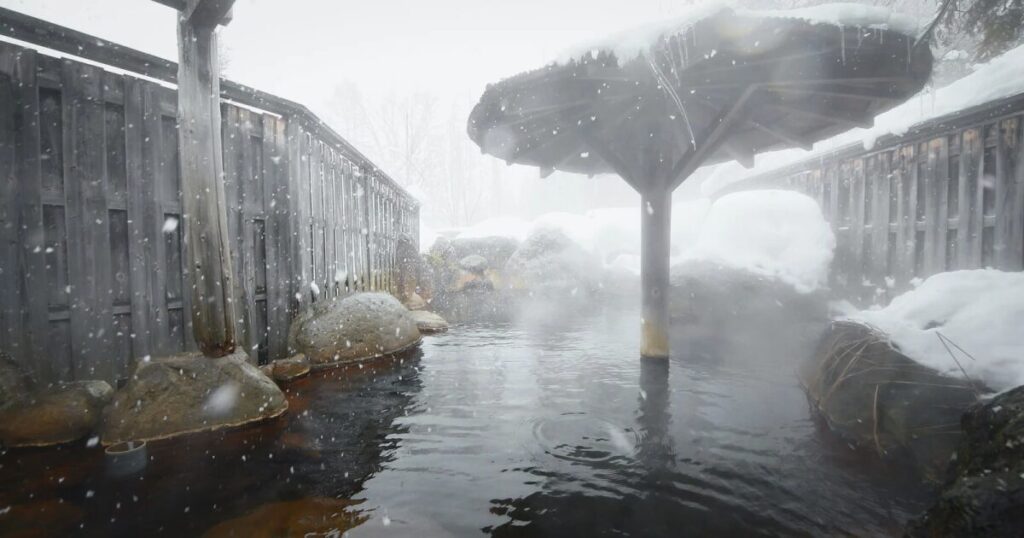
Few things feel more distinctly Japanese than visiting an onsen, or natural hot spring bath. For locals, onsen are not only about bathing. They are also about relaxation, wellness, and enjoying the natural surroundings.
A soak in mineral-rich hot water after a day of sightseeing can be incredibly refreshing. Some onsen are indoors, while others are open-air baths surrounded by forests, rivers, mountains, or even snow in winter.
Why onsen are so popular in Japan
Because Japan is volcanically active, natural hot springs can be found all over the country. Over time, onsen culture became closely linked with rest, travel, and seasonal escapes. Even today, many Japanese people choose onsen towns for weekend trips and holidays.
Basic onsen etiquette
- Wash and rinse thoroughly before entering the bath
- Do not wear a swimsuit unless the facility specifically allows it
- Keep towels out of the bath water
- Speak quietly and respect the peaceful atmosphere
Best places to enjoy onsen
- Hakone
- Beppu
- Kusatsu
- Kinosaki Onsen
- Noboribetsu
- Yufuin
Some onsen still restrict visible tattoos, although tattoo-friendly options and private baths are becoming easier to find. For couples, families, or travelers who prefer privacy, reservable private baths can be an excellent choice.
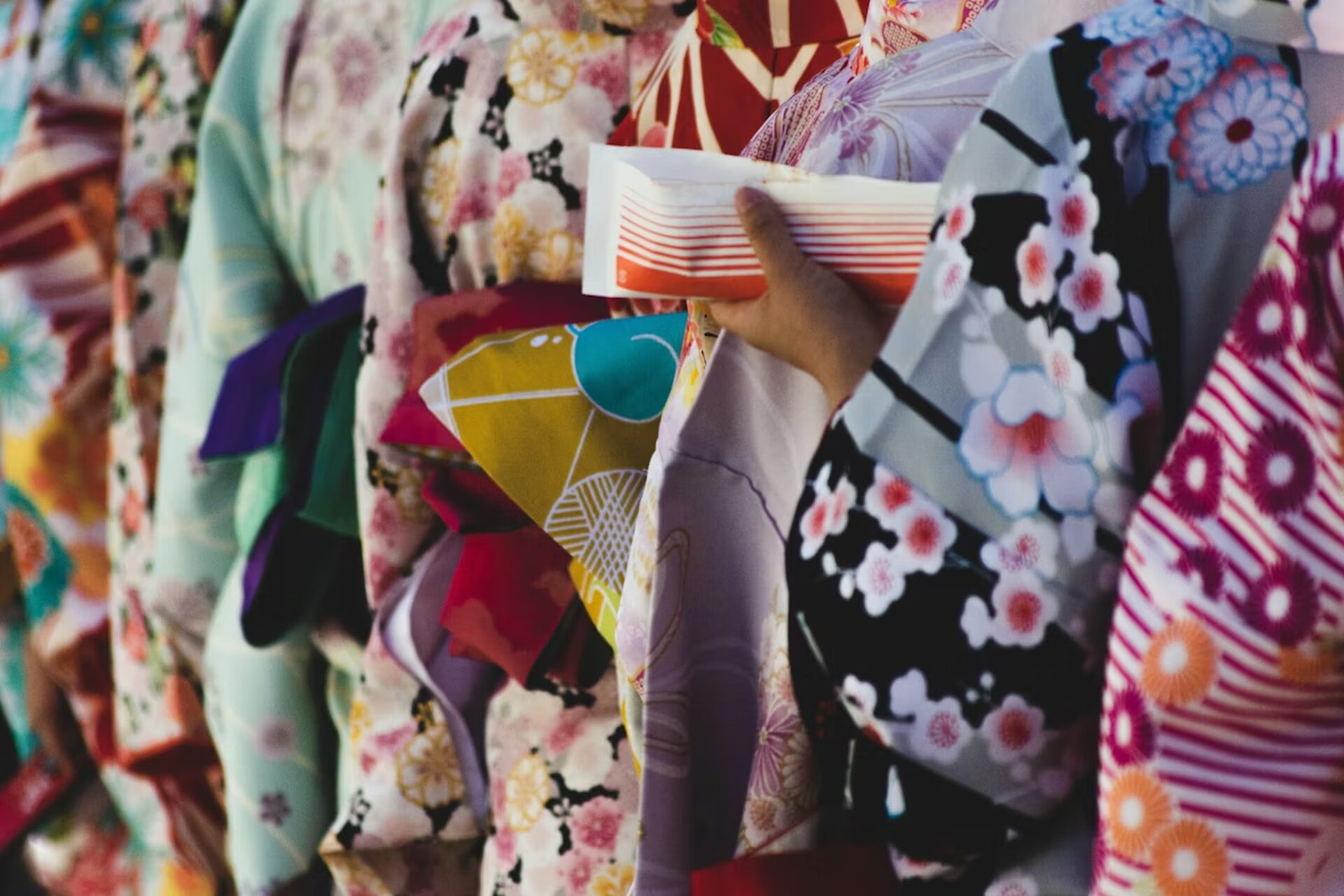
4. Wear a Kimono or Yukata
Wearing traditional Japanese clothing can completely change the mood of a day of sightseeing. A kimono is the more formal traditional garment, while a yukata is a lighter and more casual version often worn in summer, at festivals, or at ryokan.
For travelers, kimono rental is especially popular in historic districts, where old streets, temples, and wooden buildings create the perfect setting.
Best places to rent kimono or yukata
- Kyoto, especially Gion and Higashiyama
- Asakusa in Tokyo
- Kanazawa
- Kurashiki
- Kawagoe
Why visitors enjoy it
- It makes traditional sightseeing more immersive
- It creates memorable travel photos
- It helps visitors appreciate Japanese design and craftsmanship
- It adds a sense of occasion to a special day in Japan
Wearing a kimono as a visitor is widely accepted when done respectfully. Choose a reputable rental shop, listen to the staff, and treat the experience as cultural appreciation rather than a costume activity.
5. Visit Shrines and Temples with Care
Shrines and temples are part of almost every Japan itinerary, but many visitors pass through them too quickly. Taking time to understand their meaning can turn a standard sightseeing stop into a much deeper cultural experience.
In general, shrines are associated with Shinto, while temples are associated with Buddhism. Both remain important parts of Japanese spiritual life and local tradition.
Things to notice during your visit
- The layout and architectural details
- Purification fountains near the entrance
- Incense, lanterns, bells, ema plaques, and omikuji fortunes
- Seasonal gardens and natural surroundings
- The calm behavior of local worshippers
Basic etiquette
- Speak quietly and behave respectfully
- Follow any signs about photography
- Avoid blocking prayer areas or pathways
- At shrines, purify your hands if water is provided
- Watch how others behave if you are unsure
Recommended places for a meaningful visit
- Fushimi Inari Taisha in Kyoto
- Senso-ji in Tokyo
- Kiyomizu-dera in Kyoto
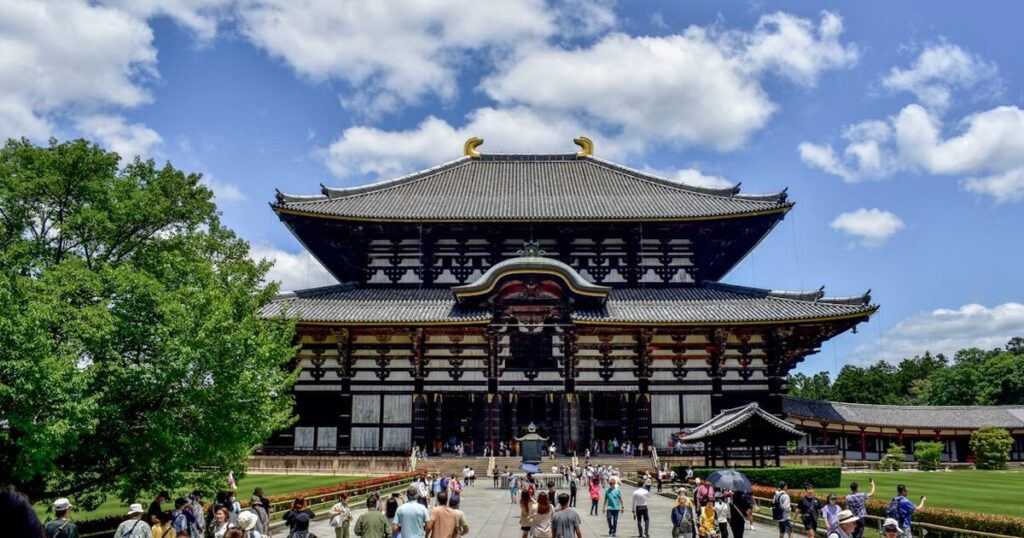
- Todai-ji in Nara
- Meiji Shrine in Tokyo
- Koyasan for a more spiritual setting
When you move more slowly and pay attention to the atmosphere, a shrine or temple visit often becomes one of the most memorable parts of a trip to Japan.
6. Spend a Night at a Temple Stay
For a quieter and more reflective experience, consider a shukubo, or temple stay. These overnight stays at Buddhist temples allow guests to experience a simpler and more peaceful side of Japan.
This is not luxury in the usual sense. Rooms are often simple, meals are vegetarian, and the atmosphere is calm and structured. But for many travelers, that simplicity is exactly what makes the experience so meaningful.
What a temple stay may include
- Simple traditional accommodation
- Buddhist vegetarian cuisine called shojin ryori
- Early morning prayer services
- Meditation opportunities
- A peaceful temple or mountain setting
Best place to try a temple stay
Koyasan is the most famous destination for shukubo and is often considered one of the most rewarding cultural overnight experiences in Japan.
A temple stay offers a side of Japan that many travelers never see. It is a chance to step away from crowds, shopping districts, and busy train stations, and spend time in a more reflective environment.
7. Attend a Traditional Japanese Festival
Japanese festivals, or matsuri, are among the most exciting traditional experiences in Japan. Unlike static museum displays, festivals are lively, colorful, noisy, and deeply connected to local identity.
Some feature giant floats, some include street dancing, and others involve drums, fire, portable shrines, or rituals that have continued for centuries. Because each region has its own customs, festivals are one of the best ways to experience local culture beyond the major sightseeing spots.
Why festivals are so memorable
- You see local traditions being actively celebrated
- The atmosphere feels energetic and authentic
- Food stalls, music, and costumes create a strong sense of place
- Seasonal timing makes the event feel special and unique
Famous festivals in Japan
- Gion Matsuri in Kyoto
- Nebuta Matsuri in Aomori
- Tenjin Matsuri in Osaka
- Kanda Matsuri in Tokyo
- Awa Odori in Tokushima
If you plan to travel during a major festival, book your accommodation early. Popular matsuri can attract large crowds and cause hotels to fill up quickly.
8. Try Kaiseki Cuisine
Many travelers come to Japan excited about sushi, ramen, and tempura, but fewer try kaiseki, one of the country’s most refined traditional dining styles. Kaiseki is a multi-course meal that emphasizes seasonality, balance, presentation, and subtle flavor.
Rather than focusing on one large dish, kaiseki offers a carefully planned sequence of smaller courses. Ingredients are selected for the season, colors are thoughtfully balanced, and presentation is treated as an essential part of the experience.
What makes kaiseki special
- Seasonal ingredients are central to the meal
- Presentation is elegant and highly artistic
- Each course is small, balanced, and intentional
- The full meal feels like a carefully designed progression
Where to try it
Kyoto is especially well known for kaiseki cuisine, but excellent kaiseki meals can also be found at ryokan and traditional restaurants across Japan.
Kaiseki is not just dinner. It is one of the clearest expressions of Japanese hospitality, craftsmanship, and appreciation for the seasons.
9. Watch Traditional Performing Arts
Japan’s traditional performing arts may not be at the top of every traveler’s list, but they offer a fascinating look into the country’s cultural heritage.
Types of traditional performances
- Kabuki: dramatic theater known for elaborate costumes and expressive acting
- Noh: highly stylized classical drama with masks and slow, controlled movement
- Bunraku: traditional puppet theater
- Traditional music and dance: often featured in theaters and cultural programs
For first-time visitors, kabuki is often the easiest place to start because it is visually rich and engaging even if you do not understand every detail.
Where to watch traditional arts
Tokyo, Kyoto, and Osaka are some of the best places to find performances and cultural venues that welcome international visitors.
Even without full context, the costumes, music, stagecraft, and atmosphere can be impressive. Watching a traditional performance is another way to appreciate how deeply developed Japan’s artistic traditions are.
10. Join a Traditional Craft Workshop
Japan has a long and respected tradition of craftsmanship, and one of the best ways to connect with it is through a hands-on workshop. Instead of only buying souvenirs, you can learn the techniques behind them.
Popular traditional workshops in Japan
- Calligraphy
- Pottery
- Indigo dyeing
- Wagashi making
- Paper making
- Incense blending
- Woodblock printing
Why workshops are a great choice
- They are interactive and memorable
- You learn directly from artisans or local instructors
- You gain a deeper appreciation for traditional skills
- You often leave with something you made yourself
This type of activity is especially rewarding for travelers who enjoy hands-on cultural experiences rather than passive sightseeing.
How to Choose the Right Traditional Experience in Japan
Not every traveler is looking for the same kind of experience, which is one reason Japan is such a rewarding destination. You can choose based on your interests, travel style, and pace.
If you want relaxation
- Ryokan stay
- Onsen visit
- Tea ceremony
If you want cultural depth
- Temple stay
- Kaiseki dining
- Traditional performing arts
If you want memorable photos
- Kimono rental
- Historic district walks
- Seasonal festivals
If you want something interactive
- Craft workshop
- Tea ceremony
- Wagashi or cooking class
A well-balanced Japan itinerary usually combines famous sightseeing spots with slower cultural moments. Even adding one or two traditional experiences can make your trip feel far more memorable and complete.
Tips for Enjoying Traditional Japanese Experiences Respectfully
Traditional experiences in Japan are usually easy for visitors to join, but they are most rewarding when approached with care and respect.
- Arrive on time. Punctuality matters in Japan, especially for organized cultural experiences.
- Observe first. If you are unsure what to do, quietly watch others before acting.
- Dress appropriately. Modest clothing is often the safest choice for temples, shrines, and ryokan.
- Be open-minded. Some experiences are quiet, slow, and subtle rather than designed purely for entertainment.
- Follow local etiquette. Small actions, such as removing your shoes or speaking softly, matter.
- Do not rush. Traditional Japanese culture often rewards patience and close attention.
Respectful curiosity goes a long way, and local hosts usually appreciate visitors who genuinely want to learn.
Final Thoughts
Japan is full of world-famous sights, but some of the most meaningful memories come from experiences rather than landmarks. Staying at a ryokan, soaking in an onsen, joining a tea ceremony, attending a festival, or quietly exploring a temple can help you connect with Japan on a much deeper level.
These traditional Japanese experiences are not only beautiful. They also reveal how strongly Japan values hospitality, craftsmanship, mindfulness, seasonality, and respect. For first-time visitors, they offer a richer understanding of the country. For returning travelers, they provide new layers of Japan to explore beyond the usual highlights.
You do not need to try everything on one trip. Even choosing one or two of these experiences can completely change how you remember Japan.
If you want your trip to feel more authentic, balanced, and memorable, make space for tradition. It may become the part of Japan you remember most.
FAQ: Traditional Japanese Experiences
- What is the best traditional Japanese experience for first-time visitors?
-
A tea ceremony, ryokan stay, or onsen visit are among the best choices for first-time visitors because they are accessible, memorable, and closely connected to Japanese culture.
- Are traditional Japanese experiences expensive?
-
Not always. Some experiences, such as temple visits and local festivals, are affordable or even free. Others, such as ryokan stays and kaiseki meals, can be more expensive depending on the location and level of service.
- Is it okay for tourists to wear kimono in Japan?
-
Yes. Kimono and yukata rental for visitors is very common, especially in places such as Kyoto and Asakusa. The most important thing is to wear them respectfully and use a reputable rental service.
- Can foreigners use onsen in Japan?
-
Yes, foreigners can usually use onsen as long as they follow bath etiquette. However, some facilities still have tattoo restrictions, so it is a good idea to check in advance.
- Which city is best for traditional Japanese culture?
-
Kyoto is often considered the best city for traditional Japanese culture, but Kanazawa, Takayama, Nara, and Koyasan also offer excellent cultural experiences.