Trying local food is one of the best parts of traveling in Japan. From sushi and ramen to regional street food and traditional hot pot, Japan offers an incredible variety of dishes that go far beyond what many visitors have tried at home. For first-time travelers, food is not just something to fit between sightseeing stops. It is one of the most memorable parts of the entire trip.
The good news is that eating well in Japan is easy. You do not need to book expensive restaurants every night to have amazing meals. Some of the best food in Japan can be found in neighborhood restaurants, station buildings, food halls, and even convenience stores. The real challenge is deciding what to eat in Japan when there are so many great choices.
This guide introduces 20 Japanese foods first-time visitors should try. You will learn what each dish is, what it tastes like, and where to try it during your trip. Whether you are a confident foodie or a cautious eater, this list will help you explore Japanese food with more confidence and make the most of your first visit.
Quick List: Must-Try Foods in Japan
| Food | What It Is | Best For |
|---|---|---|
| Sushi | Vinegared rice with seafood or other toppings | A classic first meal in Japan |
| Ramen | Noodles in a rich, flavorful broth | Comfort food and casual dining |
| Tempura | Lightly battered and fried seafood or vegetables | A traditional Japanese meal |
| Yakitori | Charcoal-grilled chicken skewers | Casual izakaya dining |
| Okonomiyaki | A savory Japanese pancake | Regional comfort food |
| Takoyaki | Octopus-filled batter balls with sauce | Street food lovers |
| Udon | Thick wheat noodles | A simple and filling meal |
| Soba | Buckwheat noodles served hot or cold | A lighter traditional option |
| Tonkatsu | Breaded and deep-fried pork cutlet | Crispy comfort food |
| Japanese Curry Rice | Mild, thick curry served over rice | An easy meal for beginners |
| Onigiri | Rice balls with savory fillings | A quick snack or light meal |
| Gyoza | Pan-fried dumplings | A great side dish or snack |
| Wagyu Beef | Highly marbled Japanese beef | A special splurge meal |
| Yakiniku | Grilled meat cooked at the table | A fun group dining experience |
| Kaisendon | A seafood rice bowl | Fresh seafood lovers |
| Donburi | Rice bowl topped with meat, egg, or seafood | A fast and affordable meal |
| Shabu-shabu | Thinly sliced meat cooked in hot pot | An interactive dinner |
| Sukiyaki | Sweet-savory beef hot pot | A traditional shared meal |
| Mochi | Chewy rice cake | A classic Japanese sweet |
| Matcha Desserts | Green tea-flavored sweets | A must for dessert lovers |
Why Food in Japan Is So Memorable
Food in Japan stands out because of its quality, balance, and attention to detail. Even simple meals are often beautifully presented and carefully prepared. Many restaurants specialize in just one type of dish, which means they focus on doing it exceptionally well. A ramen shop serves ramen. A soba shop serves soba. A yakitori restaurant serves grilled skewers. That level of specialization is one reason so many meals in Japan feel memorable, even when they are inexpensive.
For travelers, this is great news. You do not need to chase luxury dining to eat well. Some of the best meals on your trip may come from a tiny local restaurant, a station food court, or a department store basement food hall. If you want to understand Japanese culture more deeply, food is one of the most enjoyable ways to do it.
1. Sushi
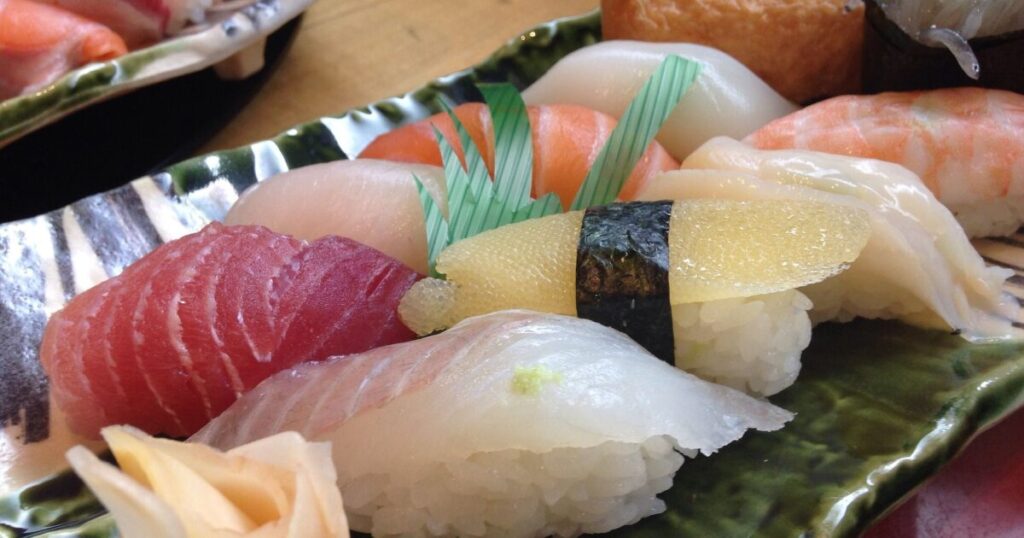
Sushi is one of the most famous foods in Japan, and it is usually the first dish visitors want to try. In Japan, sushi often feels fresher, more delicate, and more balanced than versions served abroad. The fish matters, of course, but so does the rice. A great sushi meal is really about the harmony between the two.
First-time visitors will usually come across nigiri (a slice of fish over rice), maki (rolled sushi), and chirashi (a bowl of sushi rice topped with assorted seafood). If you are not comfortable with raw fish, there are plenty of beginner-friendly options such as cooked shrimp, eel, egg, cucumber rolls, and other non-raw choices.
Where to try it: conveyor belt sushi restaurants, neighborhood sushi shops, seafood markets, and omakase counters.
2. Ramen
Ramen is one of the most popular foods in Japan and one of the easiest dishes for first-time visitors to enjoy. It is a noodle soup with endless local and regional variations, and every shop has its own style. Some broths are rich and creamy, while others are clear, light, and deeply savory.
The most common ramen styles are shoyu (soy sauce), shio (salt), miso, and tonkotsu (pork bone broth). If you only try one bowl during your trip, ramen is a strong choice because it is affordable, satisfying, and easy to find across Japan.
Where to try it: ramen specialty shops, station areas, neighborhood streets, and food halls.
3. Tempura
Tempura is seafood or vegetables coated in a light batter and fried until crisp. Good tempura should be airy, delicate, and never too greasy. Shrimp is the best-known option, but seasonal vegetables such as pumpkin, sweet potato, mushroom, eggplant, and green beans are also excellent.
Tempura is a great example of how Japanese food often focuses on texture as much as flavor. It is usually served with rice, miso soup, dipping sauce, or noodles, depending on the restaurant.
Where to try it: tempura specialty restaurants, traditional set meal restaurants, and noodle shops.
4. Yakitori
Yakitori is grilled chicken served on skewers, usually cooked over charcoal. It is one of the best foods to try if you want a relaxed, local dining experience. Different skewers feature different parts of the chicken, including thigh, skin, wing, and meatballs. More adventurous diners can also try organ meats.
The seasoning is usually either salt or tare, a sweet-savory glaze. Yakitori is simple, flavorful, and ideal for sharing, which makes it perfect for an evening out at an izakaya.
Where to try it: yakitori bars, izakaya, and restaurant alleys near major stations.
5. Okonomiyaki
Okonomiyaki is often called a savory Japanese pancake, but it is much more satisfying than that description suggests. The batter is mixed or layered with ingredients such as cabbage, pork, seafood, and sometimes noodles, then cooked on a hot griddle and topped with sauce, Japanese mayonnaise, seaweed flakes, and bonito flakes.
It is especially famous in Osaka and Hiroshima, where the styles are different. Osaka-style okonomiyaki mixes the ingredients together, while Hiroshima-style versions are layered. Both are worth trying if you get the chance.
Where to try it: specialty restaurants in Osaka, Hiroshima, and major cities across Japan.
6. Takoyaki
Takoyaki are round batter balls filled with octopus, then topped with sauce, mayonnaise, seaweed, and bonito flakes. They are crisp on the outside and creamy inside, which makes them one of Japan’s most popular street foods.
They are especially associated with Osaka and are often eaten as a casual snack while walking around. Just be careful when you take the first bite, because the filling can be extremely hot.
Where to try it: street food stalls, snack shops, and food courts.
7. Udon
Udon are thick wheat noodles with a soft, chewy texture. They are usually served hot in broth, but cold udon with dipping sauce is also popular, especially in warmer weather. Udon is simple, comforting, and easy to enjoy, which makes it a great choice for travelers looking for something familiar and satisfying.
Common versions include kake udon, tempura udon, and curry udon. It is one of the most versatile noodle dishes in Japan.
Where to try it: udon shops, casual chains, train stations, and local restaurants.
8. Soba
Soba are buckwheat noodles with a more earthy flavor than udon. They can be served hot in broth or cold with dipping sauce. Cold soba is especially refreshing in summer, while hot soba is a comforting option in colder months.
Soba is a great dish to try if you want something lighter and a little more traditional. It is simple, elegant, and widely available throughout Japan.
Where to try it: soba specialty restaurants and traditional eateries.
9. Tonkatsu
Tonkatsu is a breaded and deep-fried pork cutlet, usually sliced into bite-sized pieces and served with shredded cabbage, rice, miso soup, and tonkatsu sauce. It is crispy on the outside, juicy on the inside, and one of the most consistently satisfying meals in Japan.
For first-time visitors, tonkatsu is a very safe choice. It feels familiar enough to be approachable, but it still delivers a distinctly Japanese restaurant experience.
Where to try it: tonkatsu specialty restaurants, casual diners, and department store restaurant floors.
10. Japanese Curry Rice
Japanese curry is very different from Indian or Thai curry. It is usually thicker, milder, and slightly sweet, served over rice with meat and vegetables. It is one of Japan’s most popular comfort foods and an easy choice for travelers who want something filling and beginner-friendly.
You will often see it served with pork cutlet, fried chicken, hamburger steak, or simple vegetables. It may not be the first dish that comes to mind when people think about Japanese food, but it is absolutely worth trying.
Where to try it: curry chains, casual restaurants, and family diners.
11. Onigiri
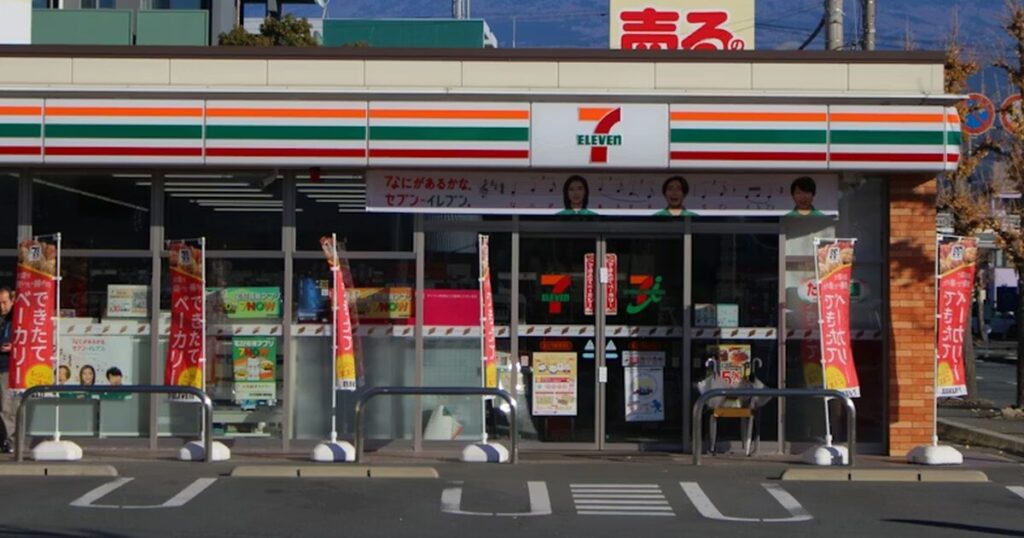
Onigiri are rice balls or rice triangles filled with ingredients such as salmon, tuna mayo, seaweed, or pickled plum. They are one of the easiest foods to find in Japan and make a great snack, quick breakfast, or light lunch.
Do not dismiss them as a simple convenience food. A well-made onigiri can be incredibly satisfying, especially when you need something quick before a train ride or a busy day of sightseeing.
Where to try it: convenience stores, station kiosks, supermarkets, and specialty rice shops.
12. Gyoza
Gyoza are Japanese dumplings filled with meat and vegetables, usually pan-fried so they are crisp on one side and tender on the other. They are often served alongside ramen, but they can also make a meal on their own.
Japanese gyoza are usually lighter and more delicate than many people expect, and they are a great choice if you want something easy to share.
Where to try it: ramen shops, gyoza specialty restaurants, and casual eateries.
13. Wagyu Beef
If you want one memorable splurge meal in Japan, wagyu beef is a strong contender. Known for its intense marbling and rich texture, wagyu has a soft, buttery quality that makes it feel very different from standard beef.
You may see well-known names such as Kobe beef or Matsusaka beef, but the broader point is this: high-quality Japanese beef can be an unforgettable part of your trip. Because it is so rich, a small portion is often enough.
Where to try it: yakiniku restaurants, teppanyaki restaurants, and specialty beef restaurants.
14. Yakiniku
Yakiniku is Japanese grilled meat, usually cooked by diners at the table. You order several small plates of meat and grill them yourself, which makes the meal interactive and fun. It is especially popular for dinners with friends, couples, or families.
Yakiniku is a great way to try different cuts of beef and pork in one meal. If you want something social and memorable, this is an excellent choice.
Where to try it: yakiniku chains, local barbecue restaurants, and higher-end beef restaurants.
15. Kaisendon
Kaisendon is a rice bowl topped with fresh seafood such as tuna, salmon, shrimp, scallops, roe, and uni. If you enjoy seafood, this is one of the best meals you can have in Japan.
It offers the freshness and variety of sushi in a more casual, often more affordable format. Coastal areas and seafood markets are especially good places to try it.
Where to try it: seafood markets, fish restaurants, and coastal cities.
16. Donburi
Donburi is a category of rice bowls topped with different ingredients. Popular types include gyudon (beef bowl), oyakodon (chicken and egg bowl), and katsudon (pork cutlet with egg over rice).
These bowls are quick, affordable, and widely available, which makes them perfect for travelers on a budget or anyone trying to fit a meal between sightseeing stops.
Where to try it: local diners, casual chains, and everyday restaurants.
17. Shabu-shabu
Shabu-shabu is a hot pot dish in which thin slices of meat are briefly swished through simmering broth, then eaten with vegetables, tofu, and dipping sauces. The name comes from the sound the meat makes as it moves through the broth.
It is lighter than many grilled meat meals and feels refined without being too formal. It is also a great way to enjoy good beef in a shared setting.
Where to try it: hot pot restaurants and wagyu specialty restaurants.
18. Sukiyaki
Sukiyaki is another classic Japanese hot pot dish, but it has a sweeter and more strongly seasoned flavor than shabu-shabu. Beef, tofu, mushrooms, vegetables, and noodles are simmered together in a savory-sweet broth. In many restaurants, the ingredients are dipped in raw beaten egg before eating.
It is especially popular in cooler seasons and is a wonderful choice if you want a traditional shared dinner with rich flavor.
Where to try it: traditional restaurants, hot pot restaurants, and beef specialty restaurants.
19. Mochi
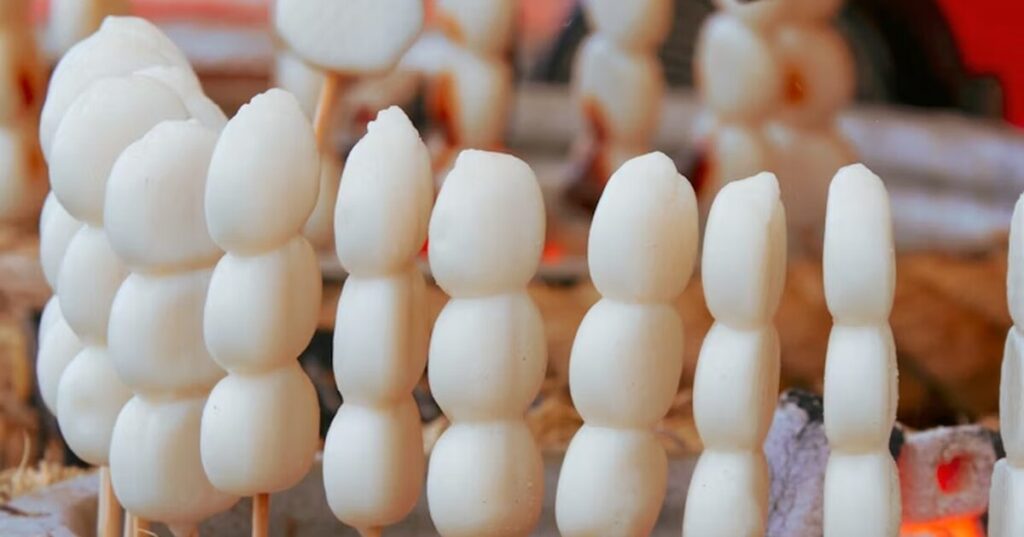
Mochi is a chewy rice cake made from glutinous rice. It can be eaten plain, grilled, filled with sweet bean paste, or used in seasonal sweets. Its texture is one of the most distinctive in Japanese food culture.
Some first-time visitors love it immediately, while others need a little time to get used to the chewiness. Either way, it is worth trying because it is such a classic Japanese treat.
Where to try it: sweet shops, temple streets, souvenir stores, and seasonal markets.
20. Matcha Desserts
No first-time food guide to Japan would be complete without matcha desserts. Matcha, a finely ground green tea powder, is used in parfaits, soft serve, cakes, cookies, and traditional sweets. It has a rich, slightly bitter flavor that pairs beautifully with sweetness.
Even travelers who do not usually drink green tea often enjoy matcha desserts. Kyoto is especially famous for them, but you can find excellent versions throughout Japan.
Where to try it: cafés, tea houses, dessert shops, and Kyoto specialty stores.
What Should First-Time Visitors Eat First?
If you do not want to feel overwhelmed, start with a mix of famous classics and easy comfort foods. A simple plan for your first few days might look like this:
- Day 1: sushi or ramen
- Day 2: tonkatsu or Japanese curry rice
- Day 3: onigiri for breakfast and yakitori for dinner
- Day 4: okonomiyaki or takoyaki, especially if you visit Osaka
- Day 5: soba, udon, or kaisendon
- One special dinner: yakiniku, shabu-shabu, or wagyu beef
This gives you a balanced introduction to seafood, noodles, rice dishes, street food, and one memorable premium meal.
Food Tips for First-Time Visitors to Japan
- Do not limit yourself to tourist areas. Some of the best meals are in ordinary neighborhoods and station districts.
- Try convenience store food at least once. Onigiri, sandwiches, desserts, and fried snacks are often surprisingly good.
- Do not worry if a restaurant has a small menu. In Japan, specialization is often a sign of quality.
- Use photos and displays to help you order. Many restaurants make it easy for travelers, even if English is limited.
- Expect queues at popular restaurants. Waiting in line is normal in many cities.
- Carry some cash. Cards and mobile payments are common, but some smaller places still prefer cash.
- Remember that Japanese food is not just raw fish. There are plenty of cooked, grilled, fried, and vegetarian-friendly options.
Best Japanese Foods by Travel Style
| Type of Traveler | Best Foods to Try |
|---|---|
| Cautious eater | Tonkatsu, Japanese curry rice, udon, gyoza |
| Seafood lover | Sushi, kaisendon, tempura |
| Budget traveler | Onigiri, donburi, ramen, curry rice |
| Street food fan | Takoyaki, yakitori, okonomiyaki |
| Special occasion traveler | Wagyu beef, sukiyaki, shabu-shabu |
| Dessert lover | Mochi, matcha desserts |
Mistakes to Avoid When Choosing Food in Japan
One common mistake is eating only sushi because it feels like the most famous option. Sushi is excellent, but it is only one part of Japanese food culture. If you stop there, you miss some of the country’s best comfort foods and regional specialties.
Another mistake is avoiding small local restaurants because they seem intimidating. In reality, many tiny shops serve some of the best food you will have in Japan. Menus with pictures, ticket machines, and plastic food displays often make ordering easier than expected.
It is also a mistake to assume that expensive always means better. Japan is one of the few places where an affordable meal can still be truly memorable.
Final Thoughts on What to Eat in Japan
If you are wondering what to eat in Japan on your first trip, the best answer is simple: start with the classics, then stay curious. Try sushi, ramen, and tempura, but also make room for okonomiyaki, yakitori, donburi, hot pot, and Japanese desserts.
Japan is one of the easiest places in the world to explore through food. The variety is huge, the quality is consistently high, and there are delicious options at every budget level. Whether you are grabbing an onigiri before a train ride or sitting down for a memorable wagyu dinner, your meals will likely become some of the highlights of your trip.
For many travelers, the best souvenir from Japan is not something they bring home in a suitcase. It is the memory of the dishes they discovered along the way.