Planning your first trip to Japan is exciting, but it can also feel overwhelming. With so many famous cities, must-try foods, and bucket-list attractions, many travelers are not sure how to fit everything into just one week.
The good news is that 7 days in Japan is enough for an unforgettable first trip if you keep your route simple and focus on the right destinations. For most first-time visitors, the best introduction to Japan is a classic itinerary that combines Tokyo, Kyoto, and Osaka. This route gives you a little bit of everything: modern city life, traditional culture, historic temples, amazing food, and efficient transportation between major destinations.
This guide is designed for travelers who want a realistic and enjoyable 7-day Japan itinerary, not a rushed checklist of too many places. Instead of trying to see the entire country in one trip, this itinerary helps you experience the best of Japan in a way that feels manageable, memorable, and beginner-friendly.
Below, you will find a complete day-by-day Japan itinerary for first-time visitors, along with practical tips on where to stay, how to travel between cities, and how to make the most of one week in Japan.
Why This 7-Day Japan Itinerary Works
One of the most common mistakes first-time travelers make is trying to visit too many places in a short amount of time. Japan may look compact on a map, but transportation, hotel changes, and sightseeing can quickly eat into your day.
This itinerary works because it strikes the right balance between variety and simplicity:
- Tokyo introduces you to Japan’s energy, shopping, food, and modern city life.
- Kyoto offers a more traditional side of Japan with temples, shrines, gardens, and historic neighborhoods.
- Osaka adds a fun, food-focused atmosphere and a slightly more relaxed urban vibe.
It is also easy to follow. Many international travelers arrive in Tokyo and either depart from Osaka or return to Tokyo at the end of the trip. Either option works with this route.
Most importantly, this is a Japan itinerary built specifically for first-time visitors. It focuses on major highlights, easy train connections, and destinations that are rewarding without being unnecessarily complicated.
Quick Overview: One Week in Japan
| Day | Destination | Main Highlights |
|---|---|---|
| Day 1 | Tokyo | Arrival, Shibuya, easy evening walk |
| Day 2 | Tokyo | Asakusa, Ueno or Akihabara, Shinjuku |
| Day 3 | Tokyo | Meiji Shrine, Harajuku, Omotesando, optional teamLab or Ginza/Roppongi |
| Day 4 | Kyoto | Shinkansen to Kyoto, Fushimi Inari, Gion |
| Day 5 | Kyoto | Arashiyama, Kinkaku-ji, Nishiki Market or central Kyoto |
| Day 6 | Osaka | Transfer to Osaka, Namba, Dotonbori, Umeda |
| Day 7 | Osaka / Departure | Osaka Castle area, Kuromon Market, last-minute shopping |
If this is your first time in Japan, this route is one of the easiest and most rewarding ways to spend a week.
Before You Go: Important Planning Tips
1. Stay Near Major Stations
Choosing the right area to stay in can make your trip much easier. For this itinerary, look for hotels near major transport hubs:
- Tokyo: Shinjuku, Shibuya, Ueno, or Tokyo Station area
- Kyoto: Kyoto Station area or central Kyoto
- Osaka: Namba, Umeda, or Osaka Station area
You do not need a luxury hotel to enjoy Japan. In most cases, location matters more than hotel size.
2. Pack Light
Japan’s train stations often involve stairs, platforms, and a fair amount of walking. A compact suitcase and a small day bag will make your trip much more comfortable.
3. Do Not Overschedule Every Hour
Some of the best moments in Japan happen between the big sights: discovering a quiet side street, grabbing snacks at a convenience store, or stumbling into a small local café. Leave room for those moments.
4. Learn a Few Basic Travel Habits
Japan is very easy to travel around, but a few simple habits will help you fit in more smoothly:
- Queue neatly and wait your turn
- Keep your voice low on trains
- Carry your trash until you find a bin
- Be respectful at temples and shrines
- Keep some cash on hand, even if you mainly use cards
Day 1: Arrive in Tokyo and Keep Things Easy
Your first day in Japan should be about settling in, not trying to do too much. After a long flight, immigration, baggage claim, and the journey into the city, most travelers will feel more tired than expected.
Once you arrive in Tokyo and check into your hotel, keep the day simple and enjoyable.
What to Do
- Check in and freshen up
- Take a short walk around your hotel area
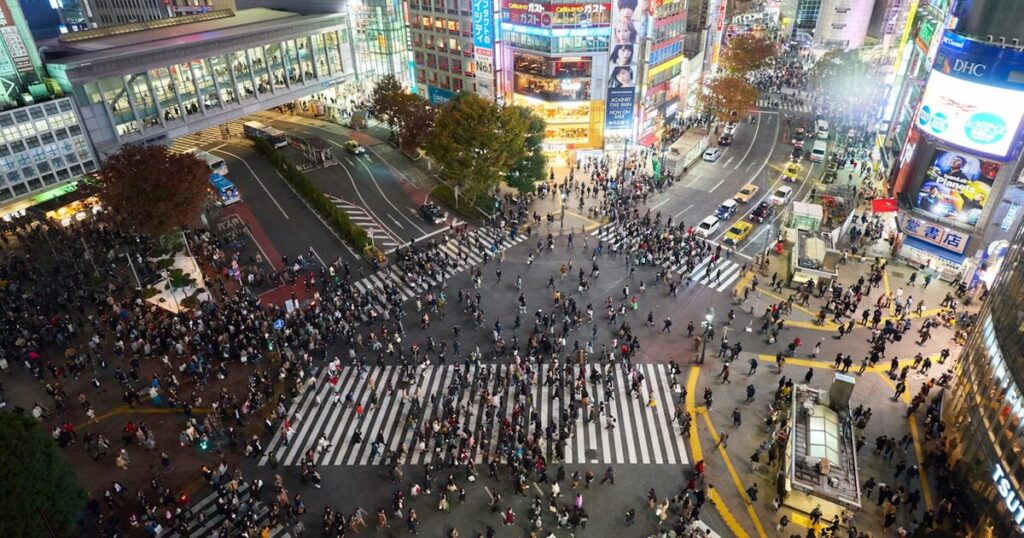
- Head to Shibuya for your first big Tokyo experience
- See Shibuya Scramble Crossing
- Browse shops or department stores
- Enjoy your first dinner in Japan
Shibuya is a great place to begin because it feels exciting without requiring much planning. It instantly gives you that classic Tokyo atmosphere: huge screens, busy crossings, trendy shops, and endless food options.
If you still have energy, go up to Shibuya Sky for a fantastic city view. If not, keep things low-key and get some rest. A relaxed first evening will make the rest of your trip much more enjoyable.
What to Eat on Your First Night
- Ramen
- Tonkatsu
- Japanese curry
- Sushi
- Convenience store snacks and desserts
This is also a good time to stop by a convenience store for water, snacks, and something simple for breakfast the next morning.
Day 2: Explore Classic Tokyo
Your first full day in Tokyo should combine traditional sights, modern culture, and a lively evening district. This gives you a well-rounded first impression of the city.
Morning: Asakusa and Senso-ji Temple
Start your day in Asakusa, one of Tokyo’s most famous historic districts.
- Visit Senso-ji Temple
- Walk along Nakamise Shopping Street
- Try classic local snacks
- Enjoy one of Tokyo’s most traditional sightseeing areas
Asakusa gets crowded later in the day, so arriving in the morning is a smart move. For many first-time visitors, this is the place that matches the classic image of Japan: temple gates, lanterns, old streets, and a lively atmosphere.
Afternoon Option 1: Ueno
If you want a more relaxed afternoon, continue to Ueno. This area is great for:
- Ueno Park
- Museums
- Ameyoko Market
- Casual shopping and street atmosphere
Afternoon Option 2: Akihabara
If you are more interested in anime, gaming, electronics, or pop culture, head to Akihabara instead. It is bright, energetic, and completely different from Asakusa.
Even travelers who are not deeply into anime often enjoy Akihabara for a couple of hours because it feels so uniquely Tokyo.
Evening: Shinjuku
Spend your evening in Shinjuku, one of Tokyo’s most iconic entertainment and shopping districts.
- Browse department stores
- Walk through the area around Kabukicho
- Explore Omoide Yokocho
- Enjoy dinner with a view
- Experience Tokyo after dark
Shinjuku can feel intense, but that energy is part of what makes it memorable. It is one of the best places to experience Tokyo at night on a first trip.
Day 3: Modern Tokyo and Flexible Sightseeing
By Day 3, you will have a better feel for the city and a clearer sense of what you enjoy most. This day is intentionally flexible, which makes it especially useful for first-time visitors.
A great route is to combine Meiji Shrine, Harajuku, and Omotesando, then add one more attraction based on your interests.
Morning: Meiji Shrine
Begin at Meiji Shrine, a peaceful shrine surrounded by forested paths near Harajuku. It feels remarkably calm for such a central location.
This is one of the best places in Tokyo to slow down for a while and experience a quieter side of the city.
Late Morning to Afternoon: Harajuku and Omotesando
After the shrine, explore two nearby neighborhoods that offer very different sides of Tokyo.
Harajuku is known for:
- Youth fashion
- Colorful shops
- Takeshita Street
- Street snacks and people-watching
Omotesando is better for:
- Stylish cafés
- Architecture
- Upscale shopping
- A calmer, more polished atmosphere
Because these areas are so close together, they are easy to combine in a single afternoon.
Optional Afternoon Add-Ons
Choose one extra stop based on your interests:
- teamLab for immersive digital art
- Roppongi or Tokyo Tower for city views and modern architecture
- Ginza for department stores and upscale shopping
For your final night in Tokyo, do whatever feels most appealing: enjoy a sushi dinner, revisit a favorite neighborhood, go shopping, or simply take a relaxed walk through the city.
Day 4: Travel to Kyoto and Experience Traditional Japan
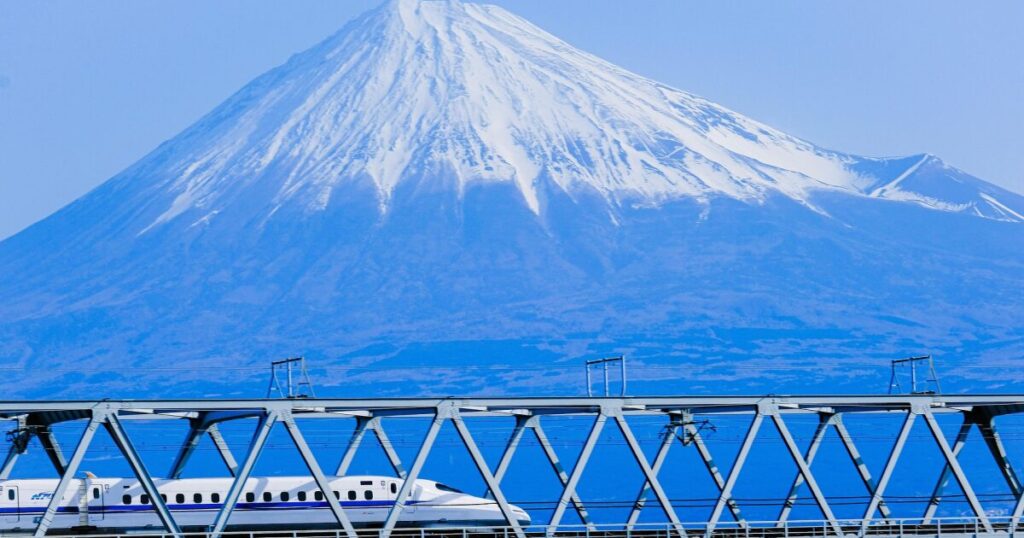
Today you leave Tokyo and head to Kyoto by shinkansen. For many travelers, this train ride is one of the highlights of the trip.
Morning: Take the Shinkansen to Kyoto
The journey from Tokyo to Kyoto takes a little over two hours on the fastest shinkansen services. Leaving in the morning gives you plenty of time to enjoy Kyoto later in the day.
A few practical tips:
- Arrive at the station early
- Buy drinks or snacks before boarding
- Keep your luggage manageable
- Reserve seats if you prefer a smoother experience
The trip is fast, comfortable, and very easy, which is one reason this itinerary works so well for first-time visitors.
Afternoon: Fushimi Inari Taisha
After dropping off your luggage, head to Fushimi Inari Taisha, one of Kyoto’s most famous sights. Its long paths of red torii gates are instantly recognizable and well worth seeing on your first trip.
It can get crowded, but visiting later in the afternoon often feels a bit calmer. You do not need to hike the entire mountain. Even a partial walk through the torii gates is memorable.
Evening: Gion and Higashiyama
Spend the evening in Gion or nearby Higashiyama. This is where Kyoto starts to feel dramatically different from Tokyo.
- Historic streets
- Traditional wooden buildings
- Small restaurants and tea houses
- A more refined and slower-paced atmosphere
Kyoto is a city that rewards slow travel, so give yourself time to simply walk and take it in.
Day 5: See Kyoto’s Best Highlights
Kyoto has enough temples, shrines, and historic districts to fill several trips, so the key is not to do too much. On a 7-day Japan itinerary, it is better to focus on a few memorable highlights rather than rushing from one temple to the next.
Morning: Arashiyama
Start early and head to Arashiyama in western Kyoto.
- The Bamboo Grove
- Togetsukyo Bridge
- Riverside scenery
- Temple grounds
- Pleasant walking streets
Arashiyama is very popular, so going early makes a big difference. While the bamboo grove itself is smaller than some travelers expect, the wider area is beautiful and well worth your time.
Midday: Kinkaku-ji
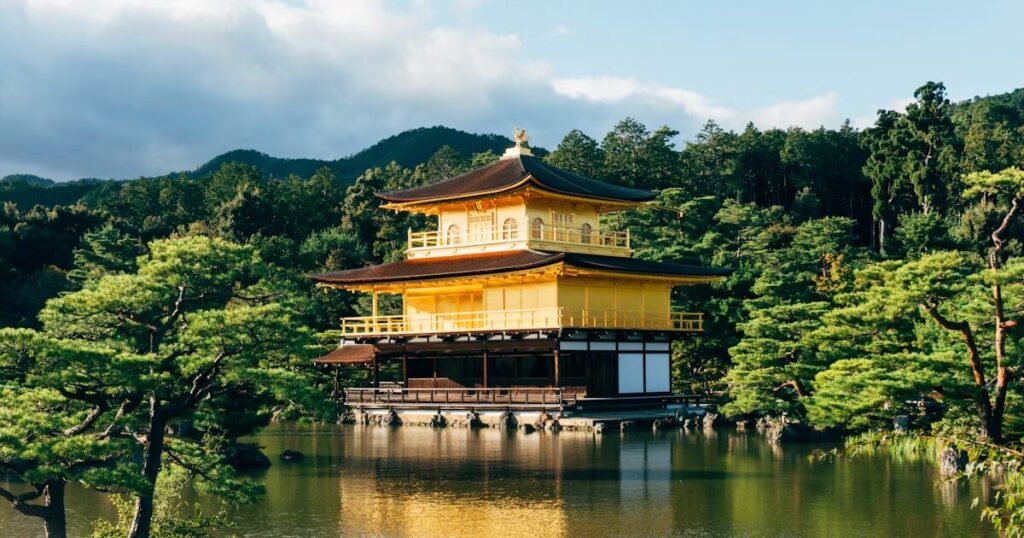
Next, visit Kinkaku-ji, the famous Golden Pavilion. It is one of Kyoto’s best-known landmarks and a classic stop for first-time visitors.
You will not spend hours here, but it is visually stunning and easy to include in a Kyoto sightseeing day.
Afternoon: Nishiki Market or Central Kyoto
After a busy morning, slow the pace down in the afternoon. Good options include:
- Nishiki Market for local food and snacks
- Downtown Kyoto for shopping
- A café break
- A quieter temple or garden
- A second walk through Gion
By this stage of the trip, a lighter afternoon often feels better than trying to squeeze in too many major sights.
Spend your final evening in Kyoto enjoying a good dinner and soaking up the city’s atmosphere. Kyoto after dark often feels calm, elegant, and timeless.
Day 6: Head to Osaka for Food and Nightlife
Today you move to Osaka, which is close to Kyoto and very easy to reach by train. Even though the two cities are near each other, the atmosphere feels quite different.
Osaka is more casual, more energetic, and often more openly food-obsessed. That contrast is exactly why it is worth including in a one-week Japan itinerary.
Morning: Travel to Osaka
The trip from Kyoto to Osaka is short and simple. Once you arrive and drop off your luggage, start exploring one of the city’s best areas for first-time visitors.
Afternoon and Evening: Namba and Dotonbori
For most travelers, Namba and Dotonbori are the perfect introduction to Osaka.
- Bright neon signs
- Street food
- Shopping arcades
- Nightlife
- A lively, playful atmosphere
Be sure to try a few Osaka specialties:
- Takoyaki
- Okonomiyaki
- Kushikatsu
- Ramen
Osaka is often called “Japan’s kitchen,” and even a short visit makes it easy to see why.
Optional Add-On: Umeda
If you still have time and energy, visit Umeda for department stores, modern city views, and a more polished side of Osaka.
Day 7: Enjoy a Final Morning and Depart
Your last day will depend on your flight time and whether you are departing from Osaka or heading back to Tokyo. If you have a later flight, you can still enjoy a relaxed final morning.
Choose one simple area rather than trying to do too much:
- Osaka Castle area for a classic sightseeing stop
- Kuromon Market for snacks and a final taste of Osaka
- Namba or Umeda for last-minute shopping and souvenirs
If your return flight is from Tokyo, you can take an early shinkansen back, but that does make the day more rushed. If possible, an open-jaw route into Tokyo and out of Osaka is the easier option for this itinerary.
Where to Stay for This 7-Day Japan Itinerary
| Nights | City | Recommended Base |
|---|---|---|
| Nights 1–3 | Tokyo | Stay in one hotel for all Tokyo nights |
| Nights 4–5 | Kyoto | Stay near Kyoto Station or central Kyoto |
| Night 6 | Osaka | Stay in Namba or Umeda |
This setup keeps hotel changes to a minimum while still letting you experience Japan’s three most popular first-time destinations.
If you want to simplify the trip even more, you could stay in Kyoto and visit Osaka as a day trip. Still, spending one night in Osaka usually makes the itinerary feel more varied and complete.
How to Travel Between Cities
Tokyo to Kyoto
Take the shinkansen. It is fast, comfortable, reliable, and one of the signature travel experiences in Japan.
Kyoto to Osaka
Use a regular train. The journey is short, easy, and does not require much planning.
Getting Around Within Cities
You will mainly use trains, subways, and a fair amount of walking. In Kyoto, buses can also be useful, although they sometimes get crowded.
- Use Google Maps for routes
- Use an IC card or mobile transit payment when possible
- Follow English station signs
- Stay near train stations to make daily travel easier
Japan’s transport system often looks more intimidating before the trip than it does once you actually start using it.
Should You Add More Destinations?
You can, but for a first trip to Japan with only 7 days, it is usually better not to.
Many travelers are tempted to add places like:
- Nara
- Hakone
- Hiroshima
- The Mount Fuji area
All of these places are worth visiting, but adding too many extra stops can make your trip feel rushed. For most first-time visitors, Tokyo, Kyoto, and Osaka are more than enough for one week.
Japan is the kind of place many people return to, so there is no need to do everything on your first visit.
Tips to Make Your First Japan Trip Even Better
- Start early to enjoy major sights before peak crowds
- Focus on neighborhoods, not just landmarks
- Keep meal plans flexible because great food is everywhere
- Leave room for shopping, especially in Tokyo and Osaka
- Accept that you will not see everything on a 7-day trip
A successful first trip to Japan is not about seeing as much as possible. It is about creating a route that feels exciting, manageable, and memorable.
Sample Budget for 7 Days in Japan
Your actual budget will depend on your travel style, but here is a rough estimate per person, excluding international flights:
| Budget Type | Daily Estimate | 7-Day Estimate |
|---|---|---|
| Budget | $80–130 | $560–910 |
| Mid-range | $150–250 | $1,050–1,750 |
| Higher-end | $300+ | $2,100+ |
This usually covers accommodation, transportation within Japan, meals, and sightseeing, although shopping can increase costs quickly.
Final Thoughts: Is 7 Days Enough for Japan?
Yes, 7 days is enough for a fantastic first trip to Japan if you plan carefully and keep your route focused.
This itinerary gives you a balanced introduction to the country by combining the energy of Tokyo, the tradition of Kyoto, and the food culture and nightlife of Osaka. It is practical, easy to follow, and ideal for travelers who want to enjoy Japan without turning the trip into a race.
You will not see everything in one week, and that is completely normal. What matters is experiencing Japan in a way that feels enjoyable, realistic, and inspiring enough to make you want to come back.
If this is your first time visiting Japan, this is one of the best 7-day itineraries to start with.
FAQ: 7-Day Japan Itinerary for First-Time Visitors
- Is 7 days enough for Tokyo, Kyoto, and Osaka?
-
Yes. It is a fairly fast-paced trip, but it is very manageable if you keep your sightseeing focused and avoid adding too many side trips.
- Should I stay overnight in Osaka or visit as a day trip from Kyoto?
-
Both options work, but staying one night in Osaka gives you more time to enjoy the city’s evening atmosphere and food scene.
- Is this itinerary good for families?
-
Yes. Families may want to pace the days a little more slowly, but the overall route is very beginner-friendly and easy to adapt.
- Should I buy a Japan Rail Pass?
-
That depends on current prices and your exact route, but for many travelers on this itinerary, individual tickets may be more practical than a nationwide rail pass.
- What is the best first city to visit in Japan?
-
For most international travelers, Tokyo is the easiest and most exciting place to begin.