Japan has one of the most efficient and traveler-friendly public transportation systems in the world. Trains are fast, clean, safe, and usually right on time. Still, for first-time visitors, Japan’s rail network can feel confusing at first. Between local trains, subways, private railways, IC cards, limited express services, and the famous Shinkansen, it is easy to feel overwhelmed before you even board your first train.
The good news is that you do not need to understand every part of the system to travel confidently. Once you learn a few essential basics, getting around Japan becomes much easier. In fact, many travelers quickly discover that Japan is one of the easiest countries in the world to explore without renting a car.
In this guide, you will learn how transportation in Japan works, when to use trains, how IC cards simplify everyday travel, what the Shinkansen is, and whether a rail pass is really worth it. If you are planning your first trip to Japan, this article will help you move around the country with much more confidence.
Why Trains Are the Best Way to Travel Around Japan
For most visitors, trains are the easiest and most practical way to travel around Japan. They connect major cities, airports, sightseeing districts, suburbs, and even many smaller towns. In large cities like Tokyo and Osaka, trains and subways are the fastest way to get around. For longer journeys between major destinations such as Tokyo, Kyoto, Osaka, or Hiroshima, the Shinkansen is often the most comfortable and efficient option.
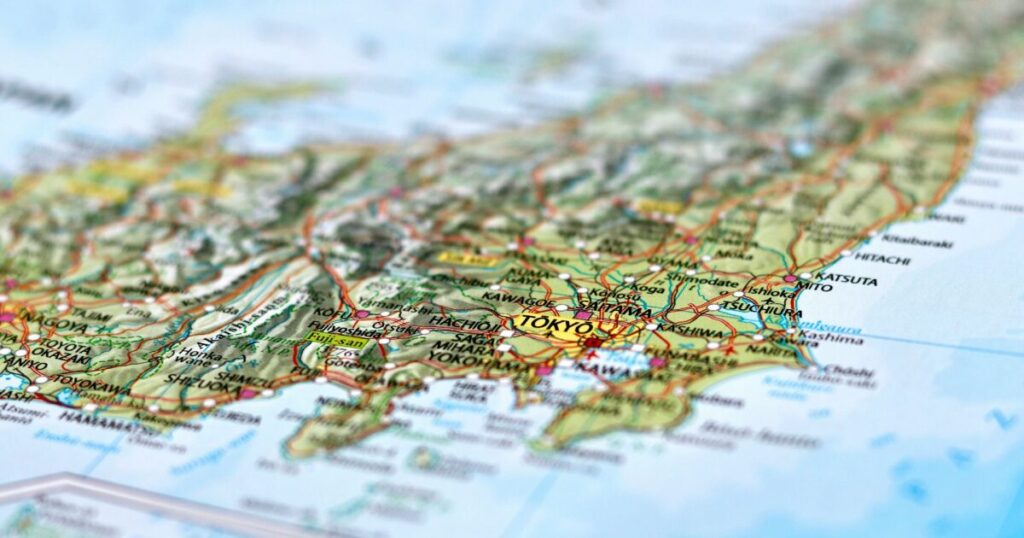
One reason Japan’s rail system works so well for travelers is that it is highly organized. Stations are generally well marked, trains run frequently, and route-planning apps make transfers much easier than many people expect. Even if the network looks complicated on a map, the actual travel experience is often smooth once you understand the basic structure.
If you remember just one thing, make it this:
Use local trains and subways for everyday city travel, and use the Shinkansen for long-distance travel between major cities.
That simple rule makes the system much easier to understand from the start.
The Main Types of Trains in Japan
You do not need to memorize every train category in Japan, but knowing the main types will make route planning much easier.
Local Trains
Local trains stop at every station. These are ideal for short trips within cities and suburbs. If you are only traveling a few stops, this is often the train you will take.
Rapid and Express Trains
Rapid and express trains skip some stations, allowing them to cover the same route more quickly than local trains. These are common in busy urban areas and are especially useful when you want to save time without paying extra.
Limited Express Trains
Limited express trains are usually used for longer regional journeys or airport access. These trains are faster and more comfortable than local services, but they often require an additional ticket or seat reservation.
Shinkansen
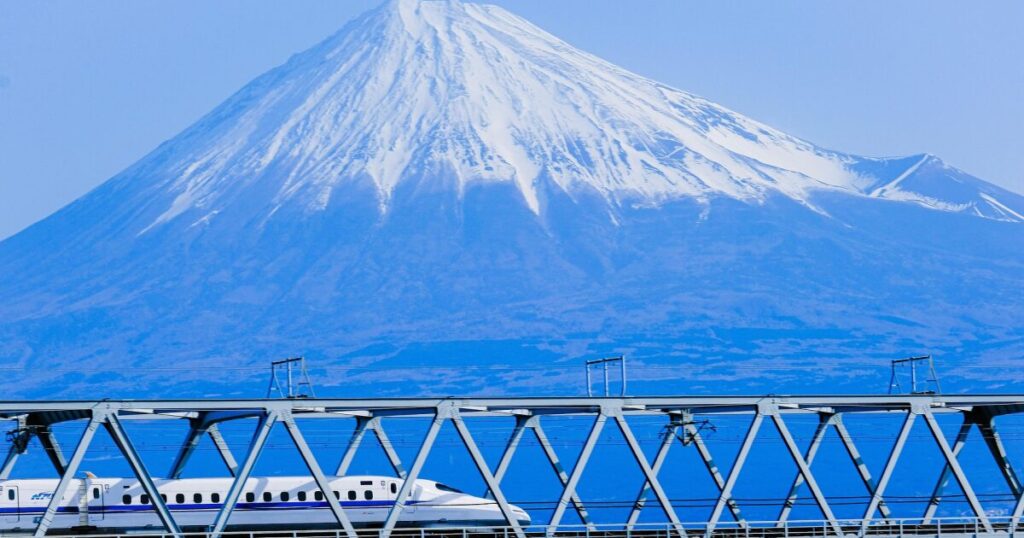
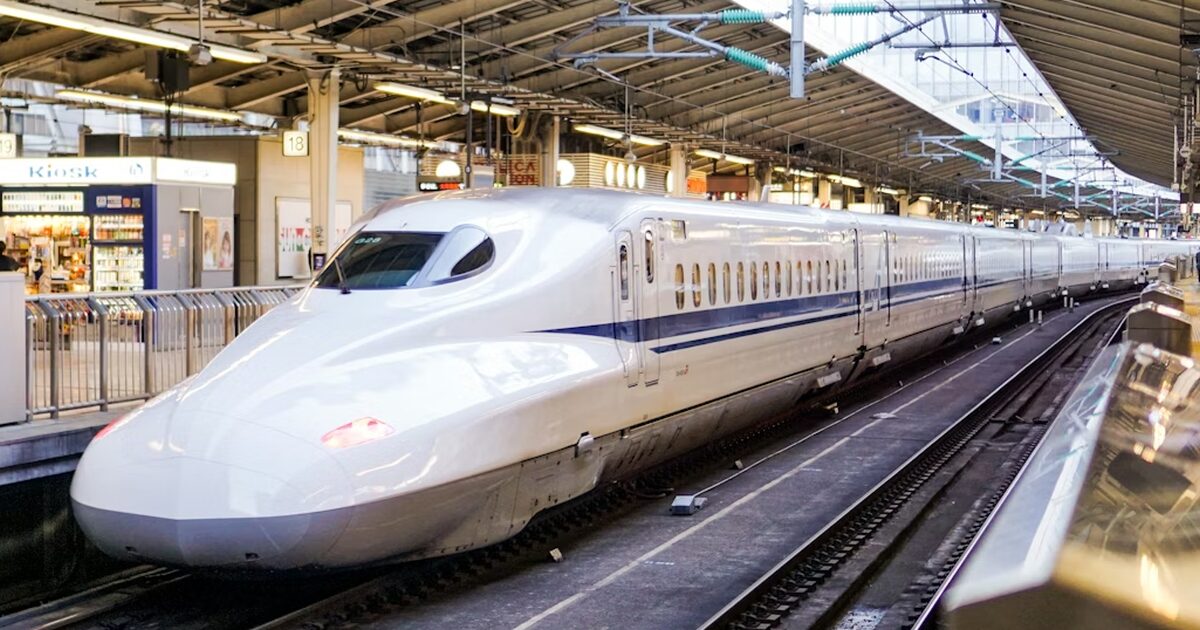
The Shinkansen is Japan’s high-speed bullet train network. It is designed for fast intercity travel and is one of the most convenient ways to move between major destinations across the country.
JR Lines, Subways, and Private Railways Explained
One of the biggest sources of confusion for first-time visitors is that Japan’s rail system is operated by more than one company. That sounds complicated, but in practice, it is much less intimidating than it seems.
JR Lines
JR stands for Japan Railways. JR lines are especially important for regional travel and many key city routes. In Tokyo, for example, the JR Yamanote Line is one of the most useful train lines for sightseeing because it connects several major districts.
Subways
Subways are common in large cities such as Tokyo, Osaka, Nagoya, and Fukuoka. They are usually the best choice for short urban trips and are often the fastest way to reach popular tourist areas.
Private Railways
Private railway companies also operate many important routes, especially around major metropolitan areas. In Kansai, for example, private railway lines are often just as useful as JR for getting between sightseeing areas.
For most travelers, the important thing is not memorizing which company runs which line. Instead, focus on using a route app, checking station signs carefully, and understanding whether your ticket or pass covers the route you want to take.
What Is an IC Card in Japan?
An IC card is a rechargeable prepaid transportation card that allows you to tap in and out of ticket gates instead of buying a paper ticket each time. It is one of the most useful things first-time visitors can get in Japan.
Popular IC cards include:
- Suica
- PASMO
- ICOCA
For everyday travel, these cards work in very similar ways. You add money to the card, tap it at the gate, and the correct fare is deducted automatically. In many areas, IC cards can also be used on buses and for small purchases at convenience stores, vending machines, and station shops. Official JR East guidance also notes that visitor-oriented Suica products can be used for trains, buses, and shopping, which is why they are so convenient for short-term travelers.
Why IC Cards Are So Convenient
- You do not need to calculate train fares for every ride.
- You can pass through ticket gates quickly with a simple tap.
- You can often use the same card across different cities and operators.
- You can use the remaining balance for small everyday purchases.
For many travelers, an IC card becomes the easiest way to handle daily transportation in Japan.
Which IC Card Should Tourists Get?
Many visitors arriving in the Tokyo area choose Suica or PASMO, while travelers spending more time in western Japan often use ICOCA. In real-world travel, however, the difference is usually not very important.
The better question is this:
Can I get one easily when I arrive, and will it work for most of my trip?
For most travelers, the answer is yes. Japan’s major IC cards are widely usable across many train and bus networks, which means you usually do not need to worry too much about choosing the “perfect” card. Official JR East information also highlights that visitor Suica products are designed to make train, bus, and small-payment use easy for short-term travelers.
When to Use an IC Card and When to Buy a Separate Ticket
Understanding this difference will save you a lot of confusion.
Use an IC card for:
- local trains
- subways
- buses
- short everyday rides in cities
- small purchases at stations and convenience stores
Buy a separate ticket or reservation for:
- Shinkansen trips
- many limited express trains
- reserved-seat services
- certain rail passes and special tourist tickets
This is one of the most important things first-time visitors should understand. An IC card is best seen as your everyday transportation wallet. It is not a universal ticket for every train in Japan.
What Is the Shinkansen?
The Shinkansen is Japan’s famous high-speed rail system, often called the bullet train. It connects major cities quickly, comfortably, and reliably. For routes such as Tokyo to Kyoto, Tokyo to Osaka, or Osaka to Hiroshima, the Shinkansen is often the best option.
Travelers love the Shinkansen because it is:
- fast
- comfortable
- reliable
- easy to use once booked
- more convenient than flying on many popular city-to-city routes
Official SmartEX guidance explains that travelers can reserve seats online before arriving in Japan or after they arrive, which is one reason Shinkansen travel is more beginner-friendly than many people expect.
How to Book Shinkansen Tickets
There are several easy ways to book Shinkansen tickets.
1. Book Online in Advance
This is one of the most convenient options, especially if you want to reserve seats during busy seasons. Official services such as SmartEX allow travelers to purchase tickets and reserve seats online for major Shinkansen routes.
2. Use Ticket Machines
Many major stations have English-language ticket machines that allow you to buy Shinkansen tickets quickly and easily.
3. Visit a Ticket Counter
If you prefer personal assistance, ticket counters at major stations can help you choose trains, buy tickets, and reserve seats.
Reserved vs Non-Reserved Seats
Some Shinkansen services offer both reserved and non-reserved seating. If you are traveling during weekends, major holidays, cherry blossom season, or other busy periods, reserved seats are usually the more comfortable choice.
Do You Need to Book Early?
Not always. On many routes, same-day booking is possible. Still, if you are traveling during peak periods or as part of a group, booking in advance is a smart idea.
A Simple Table: What to Use and When
| Situation | Best Option | Why |
|---|---|---|
| Getting around Tokyo or Osaka | IC card | Fast, easy, and ideal for everyday travel |
| Using subways for sightseeing | IC card | No need to buy a ticket for every ride |
| Airport to city on a regular train | IC card or standard ticket | Depends on the route and service type |
| Tokyo to Kyoto | Shinkansen ticket | Fastest and most convenient option |
| Osaka to Hiroshima | Shinkansen ticket | Efficient long-distance travel |
| Many regional train rides in one area | Regional pass or IC card | Depends on your exact itinerary |
| Only one or two long-distance trips | Individual tickets | Often better value than a national pass |
Do You Need a Japan Rail Pass?
This is one of the most common questions travelers ask, and the answer is simple:
Not always.
The official JAPAN RAIL PASS is still useful for some travelers, especially those making several long-distance journeys within a short time. The official site describes it as a convenient pass for travel across the JR network, and it remains a strong option for more rail-heavy itineraries.
However, the pass is not automatically the best value for every trip. If your itinerary is relatively simple, such as staying mostly in Tokyo with one round trip to Kyoto or Osaka, individual tickets may make more sense. The rail pass usually becomes more attractive when you are covering multiple long-distance routes over several days.
A Simple Rule of Thumb
The Japan Rail Pass may be worth considering if your trip looks something like this:
- Tokyo to Kyoto
- Kyoto to Hiroshima
- Hiroshima to Osaka
- Osaka to Tokyo
If your route is lighter than that, separate tickets are often the better choice.
Regional Rail Passes Can Be Better Than a Nationwide Pass
Many first-time visitors focus only on the Japan Rail Pass, but regional passes can sometimes be a better fit. If you are traveling only within one part of Japan, a regional pass may save money and match your plans more closely.
This is especially true if your trip is focused on one region such as eastern Japan, Kansai, or Kyushu. Rather than buying a nationwide pass automatically, compare your actual travel plans first. In many cases, a combination of individual tickets, an IC card, and perhaps one regional pass is the smartest option.
Common Mistakes First-Time Visitors Make
1. Thinking an IC Card Covers the Shinkansen
This is one of the most common misunderstandings. An IC card is useful for daily transport, but Shinkansen travel generally requires a proper ticket or reservation.
2. Buying a Rail Pass Too Quickly
Many travelers assume a national rail pass is always the best deal. Sometimes it is, but sometimes it is not. Your actual itinerary matters more than the idea of “unlimited travel.”
3. Not Checking Train Type Carefully
Rapid, express, limited express, and Shinkansen services work differently. If you board the wrong type of train without the correct ticket, you may run into problems.
4. Leaving Long-Distance Bookings Too Late
Japan’s train system is efficient, but busy travel periods can still fill up quickly. If you are traveling during holidays or peak tourist seasons, booking earlier is a good idea.
5. Bringing Too Much Luggage
Large luggage can make station transfers and Shinkansen travel less comfortable. If possible, travel light or plan your baggage carefully.
Helpful Tips for Riding Trains in Japan Smoothly
Arrive a Little Early
Large stations can take time to navigate. Even if the train itself is perfectly on schedule, finding the correct platform may take a few extra minutes.
Use Station Signs and Route Apps Together
English signage in major stations is generally very good. Platform numbers, line colors, and train types are usually displayed clearly. A route-planning app makes everything even easier.
Keep Your Card or Ticket Ready
If you are using an IC card, keep it easy to reach. If you are using paper tickets, do not put them away too quickly, since you may need them again at another gate.
Reserve Seats When You Want Less Stress
If you are traveling with family, carrying luggage, or moving during a busy season, a reserved seat can make the experience much easier.
Travel Light When Possible
Japan’s rail system is very efficient, but stairs, transfers, and crowded stations are easier to manage with smaller bags.
Is Public Transportation in Japan Hard for First-Time Visitors?
At first, it can look complicated. In reality, Japan is one of the easiest countries in the world for independent rail travel once you understand a few basic ideas.
Here is the short version:
- Use an IC card for everyday city travel.
- Use the Shinkansen for major intercity trips.
- Buy a rail pass only if your itinerary makes it worthwhile.
- Use online booking tools, station machines, or ticket counters for longer trips.
That is enough for most visitors.
You do not need to become a rail expert before arriving in Japan. Once you take your first few train rides, the system usually starts to feel much more natural. For many travelers, transportation ends up becoming one of the easiest and most enjoyable parts of the trip.
Final Thoughts
Traveling around Japan becomes much less intimidating once you understand the roles of local trains, IC cards, and the Shinkansen. The system may look complex at first, but it is built to help people move efficiently and comfortably.
For daily travel, an IC card is usually the easiest solution. For long-distance travel between major cities, the Shinkansen is often the best option. And when it comes to rail passes, the smartest decision is to choose based on your actual route, not assumptions.
If you learn these basics before your trip, you will save time, avoid common mistakes, and feel far more confident exploring Japan by train.
FAQ
- Can I use Suica or ICOCA throughout Japan?
-
Major IC cards are widely accepted across many train and bus networks in Japan, although coverage is not absolutely universal in every location. For most first-time visitors traveling through major cities and tourist routes, they are extremely convenient.
- Does an IC card cover the Shinkansen?
-
No. An IC card is mainly for everyday transportation and small payments. Shinkansen trips usually require a separate ticket, reservation, or pass product. Official SmartEX and JR guidance separate Shinkansen booking from ordinary IC-card travel.
- Should I buy the Japan Rail Pass?
-
Only if your itinerary includes enough long-distance JR travel to justify it. For many first-time trips, individual tickets or a regional pass offer better value. The official JAPAN RAIL PASS site explains its nationwide JR coverage and online purchase flow.
- What is the easiest way to book the Shinkansen?
-
For many travelers, the easiest option is to reserve online in advance through an official service such as SmartEX, or to use a ticket machine or ticket counter at a major station.